4 Motorcycle Safety Tips Every Salt Lake City Rider Should Know
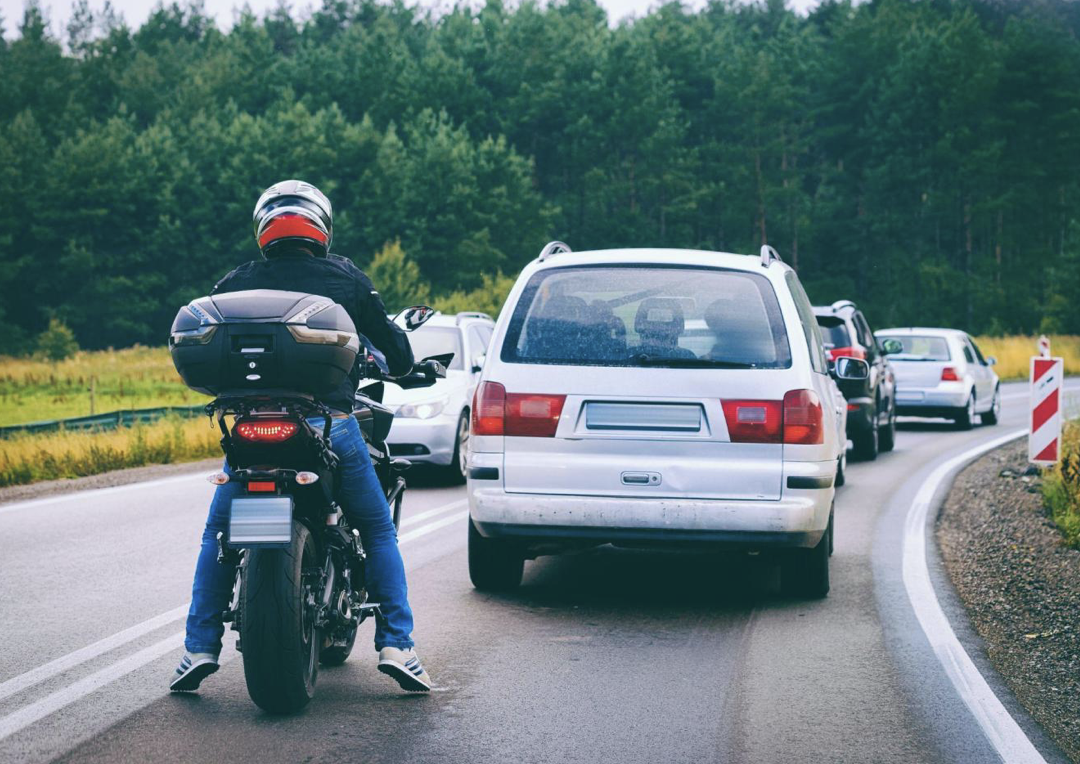
Motorcycle riding can be an enjoyable way to travel around Salt Lake City. However, riders face greater exposure to traffic, road hazards, and changing conditions than people in passenger vehicles. Following practical safety habits can help riders reduce risks on every trip.
Salt Lake City has busy streets, highways, and changing weather conditions that can affect motorcycle travel. Riders may encounter wet pavement, uneven surfaces, traffic congestion, or vehicles that fail to notice them. Staying alert and prepared is important whenever you ride.
Motorcycle safety guidance recommends using protective gear, knowing your motorcycle, and checking important controls. Riders should also improve their skills and understand how to respond to hazards. These safety tips can help Salt Lake City riders make safer decisions.
1. Always Wear Protective Gear
Wearing proper protective gear can reduce the risk of serious injuries during a crash. Utah safety guidance recommends a DOT-compliant helmet, eye protection, gloves, protective clothing, and sturdy footwear. Riders should use their gear on every trip, regardless of distance.
A properly fitted helmet is especially important because motorcycle riders do not have airbags or seat belts. Protective clothing can also help shield the skin from road injuries. Choosing gear suited to the weather can help riders remain comfortable and focused.
Riders should replace damaged protective gear after a crash, even when the damage is not immediately visible. Gear that fits properly and remains in good condition can provide better protection during unexpected situations.
2. Check Your Motorcycle Before Riding
A quick inspection can help identify problems before they become dangerous on the road. Riders should check the tires, brakes, lights, mirrors, controls, fluids, and other important components. Regular maintenance can also keep the motorcycle in safe operating condition.
Tire pressure and tread deserve particular attention because motorcycles depend heavily on proper traction. Riders should also look for fluid leaks or damaged parts before starting a trip. If something appears unsafe, it should be addressed before riding.
Riders should pay attention to changes in how the motorcycle feels while operating it. Unusual vibrations, braking changes, or handling problems can signal an issue that needs inspection before the next ride.
3. Stay Visible to Other Drivers
Motorcycles can be harder for other drivers to notice because of their smaller size. Riders should use their headlights, choose a lane position that improves visibility, and avoid remaining in another vehicle’s blind spot. Maintaining enough space also gives riders more time to react.
Salt Lake City riders should be especially cautious around intersections and turning vehicles. Drivers may fail to notice an approaching motorcycle or misjudge its distance. Staying alert and planning an escape path can help riders respond if another vehicle suddenly enters their path.
Bright or reflective clothing can also help make riders easier to notice, particularly during low-light conditions. Riders should make eye contact with nearby drivers when possible, but should still remain prepared for unexpected movements.
4. Adjust Your Riding to Road Conditions
Road conditions can change quickly, especially during rain or other poor weather. Wet surfaces, potholes, gravel, uneven pavement, and other obstacles can make motorcycle handling more difficult. Riders should reduce speed and give themselves additional space.
Riders should also improve their braking and swerving skills through proper training and practice. Utah’s Ride to Live program recommends developing skills such as scanning ahead, braking properly, and maintaining an escape plan.
These habits can help riders respond more effectively when unexpected hazards appear.
Key Takeaways
- Wear proper protective gear on every ride.
- Inspect your motorcycle before getting on the road.
- Stay visible and watch carefully for nearby vehicles.
- Adjust your speed to changing road conditions.
- Practice emergency braking and avoidance skills.