Plan the Finish Before Inviting a Casual Group Ride
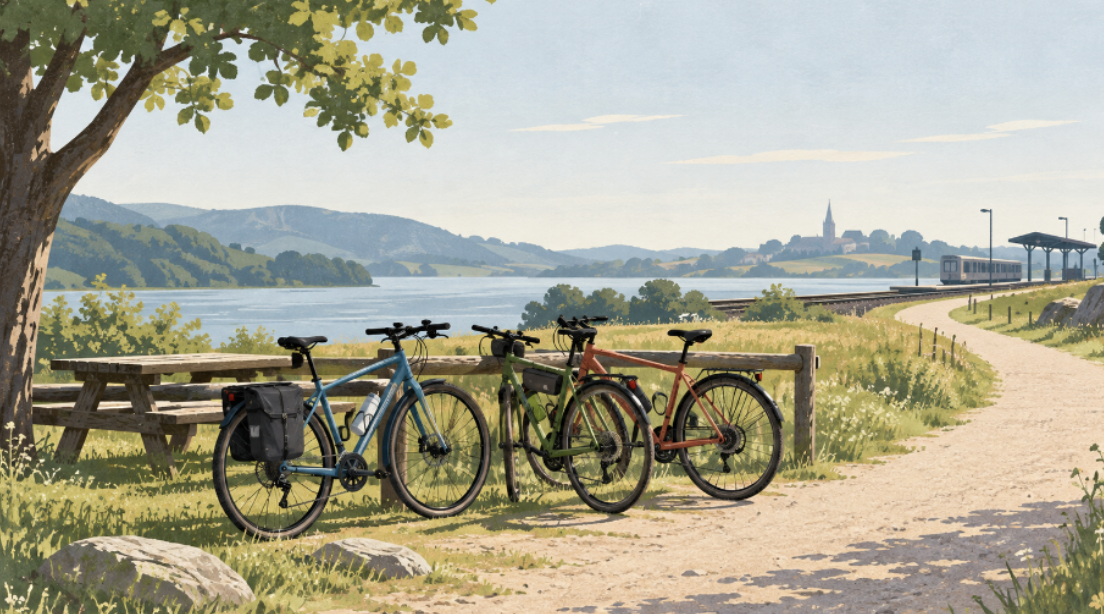
The route looks inviting, the distance sounds manageable, and everyone likes the idea of stopping somewhere afterward. Then the group reaches the destination and discovers that bicycle parking is awkward, the planned café has nowhere suitable to sit, or one rider’s return journey depends on a service that does not carry their bike. The ride itself was only part of the outing.
A Palaura suggestion can help choose an activity at the stop. For a casual cycling group, it helps to plan backward from the finish. Decide where people and bicycles will go, how the stop will work, and how everyone gets home. Those decisions can change the route before it becomes an invitation that is inconvenient to revise.
Choose an End Point That Works With Bicycles
Start with the practical requirements of the stop. Is it a brief rest, a picnic, or a visit to a business? Does the group want to remain together, or will some riders leave immediately? A destination that works for a solo rider may be awkward for several bicycles arriving at once.
For activity ideas beyond the ride, Palaura has a friends planner that filters suggestions using group size, budget, setting, time, and a drinking preference. It can help identify the kind of stop people want. It does not check cycle access, bicycle parking, or the suitability of the route leading there.
Check the destination itself through the relevant local information or by contacting the operator. Confirm where bicycles can be left without obstructing paths or entrances. If the stop depends on keeping bikes nearby, establish whether that arrangement is actually permitted rather than assuming a photograph of an outdoor terrace answers the question.
Palaura’s activity cards are broad starting points. Use them to settle whether the group wants food, a view, or another simple activity, then verify the location independently. A destination selected because it fits the bikes may be more useful than a more fashionable stop that turns arrival into a storage problem.
Agree the Return Journey Before the Outward Route
Ask how each person expects to get home. Some may ride back to the start, while others plan to leave from the destination. Those are different commitments. Make the distinction explicit so that a rider does not discover late in the outing that the advertised distance covered only half their journey.
If anyone intends to use public transport with a bicycle, check the operator’s current rules for the particular service. Restrictions can depend on the service, time, bike type, or reservation arrangement. Do not promise that a train or bus will take everyone’s bike based on an earlier trip or a general impression.
A loop returning to the start may simplify the invitation. A one-way route may suit a group whose return arrangements are settled. Neither shape is automatically better. Choose the version that participants can understand and complete, including the part after the group officially separates.
Agree what happens if someone wants to finish early. A known place to leave the route and an independently checked way home are more useful than a vague assurance that somebody will work something out. A casual ride should not rely on every participant having the same appetite for distance or the same amount of time.
Separate the Activity Budget From Transport Costs
A small advertised activity cost can hide a more expensive outing. Travel to the start, a return ticket, food, and any parking or other charges can change the decision for someone on a firm budget. Ask about the whole trip before recommending an option as inexpensive.
The friends planner at Palaura gives per-person estimates for its activity cards, but transportation is excluded. That boundary matters for a cycling outing with a train return or a distant start. Add those separate costs yourself rather than treating the card’s estimate as the outing’s total.
A simple picnic may reduce uncertainty about ordering and waiting, provided the destination permits the stop and everyone can carry what they need. A café may be easier for some riders, provided the group has checked access and is comfortable with the expected spending. Settle the arrangement before departure so that the stop does not become an unplanned negotiation.
Palaura’s friends tool also supplies a short group message. Treat it as a starting draft for the stop, rather than an invitation to a cycling route. Add the actual meeting point, the return arrangement, and what participants need to bring. Remove anything that suggests a venue or price has been confirmed when it has not.
A General Planner Cannot Verify the Ride
An activity selector cannot establish that a route is appropriate for the group. Check current local route conditions, applicable cycling rules, and destination access separately. Riders also need bicycles and equipment appropriate to the journey. A suggestion for a scenic stop supplies none of those checks and should never be presented as a cycling route recommendation.
Prepare an Invitation That Includes the Finish
Once the end point and return arrangements are clear, write the invitation around what a participant needs to decide. Include the start location, intended route character, approximate distance, the planned stop, and whether the group returns to the start. Make estimates visible as estimates, especially when the group has not ridden together before.
Avoid describing the outing solely as “easy.” That word can refer to pace, terrain, distance, or a rider’s experience. Give the useful details you have and invite questions. If a feature of the route is uncertain, resolve it before presenting the ride as suitable for a particular participant.
The destination should have a fallback. A business can close unexpectedly, a public area can be unavailable, and the weather can change the appeal of a long stop. Decide whether the alternative is a shorter pause, another verified location, or no shared stop at all. An elaborate backup is unnecessary; a clear decision is enough.
Send any material change to everyone who agreed to attend. Changing the finish can alter a rider’s return journey even when most of the route remains the same. Give people the opportunity to reconsider rather than assuming that an accepted invitation covers every later revision.
A useful draft might say: “We plan to return to the original meeting point after the riverside stop. The food stop is optional; bring what you need, and tell us before leaving the group.” Replace those general details with the actual agreed arrangement. For a one-way ride, state that explicitly and confirm that each participant has a workable return.
Before sending it, check three decisions:
- Does the stated distance include the return to the advertised finish?
- Has the group agreed where bicycles will go during the stop?
- If the planned stop is unavailable, will the ride continue or finish earlier?
If the fallback relies on a second venue, verify that venue too. Otherwise, keep the fallback simple enough to carry out without another round of uncertain assumptions.
A well-planned finish does not guarantee a perfect ride. It removes several avoidable surprises and makes the invitation easier to assess. When the bikes have somewhere appropriate to go and riders understand the journey home, the stop can be part of the pleasure of the outing instead of the point at which the plan falls apart.