Can You Ride an E-Bike in Snow and Freezing Temperatures?
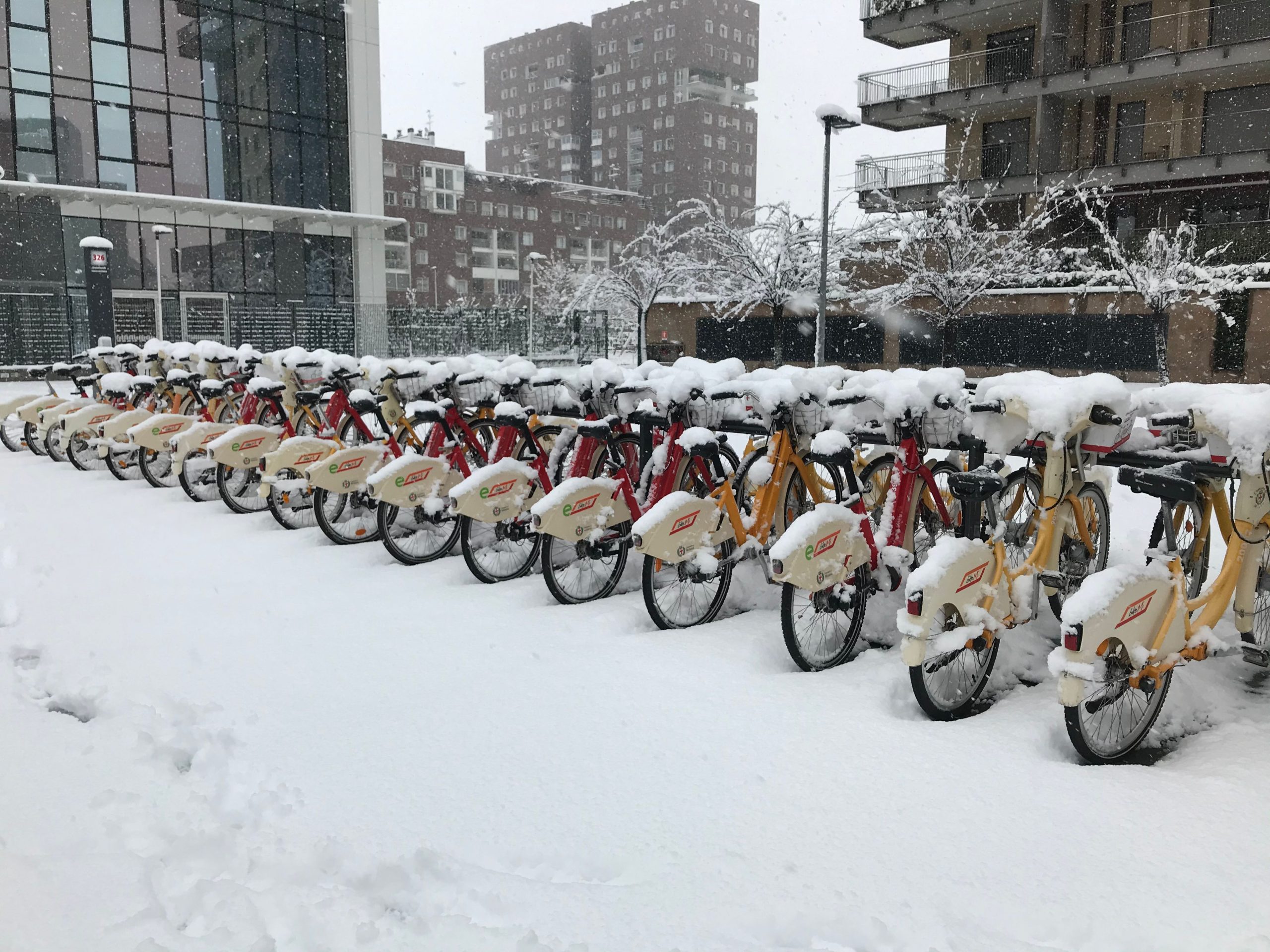
Almost all e-bikes are operable in cold weather and even with some snow, as long as you remain within the manufacturer’s guidelines and the ground isn’t icy, although this will vary greatly depending on your particular bike, tires, and circumstances. The biggest issues you’ll face in such weather include a battery that is less effective in cold temperatures, slippery roads and the lack of traction and braking power, and moisture and salt, which erode components, each of which can be easily solved as discussed below.
Can an E-Bike Work in Snow and Freezing Temperatures?
The e-bike can operate in the winter, yet winter does not mean snow. Cold temperatures mainly affect the battery, while snow, water, and ice affect traction, braking, and components that get wet. It is useful to consider three levels of difficulty:
| Conditions | Typical temperature | Main risk | Should you ride? |
| Cold, dry weather | Below about 10°C | Shorter range, battery strain | Yes, within your manual’s limits (Shimano advises against riding below -10°C) |
| Light snow or slush | Around 0°C | Less grip, water and salt on components | Usually yes, with care |
| Ice, deep snow or freezing rain | Below 0°C | Sudden loss of grip, hidden black ice | Often better not to |
Batteries and motors have specific operating specifications set by the manufacturers, and you need to pay attention to those figures. As an example, Shimano recommends not cycling under -10°C conditions. See your bike’s manual to find out more about your bike’s operating parameters.
As for the motor itself, it is not such a critical aspect compared to the battery. According to Bosch, its parts are protected from rain and splashes, but this does not mean that they can withstand submersion and strong water pressure.
What Happens to an E-Bike Battery in Cold Weather?
Cold makes a battery discharge faster, so a full charge gives less range. Shimano says the loss is temporary and disappears once the battery is charged at room temperature, while its size depends on the bike, the temperature, and your assist level. To stretch the charge, carry less, check tyre pressure, which drops in the cold, and keep cadence above 50 rpm with low assist, as Bosch advises. A few simple rules cover storage and charging:
- Keep the battery indoors when temperatures fall below about 10°C, even if the bike stays outside.
- Do not charge a very cold battery straight away. Bring it inside and let it warm up slowly and naturally, without a heater or hairdryer.
- Charge at room temperature, as both Bosch and Shimano advise.
- For long storage, leave it at roughly 30–60% charge in a dry place at 10–20°C. Shimano suggests about 70%, so follow your manual.
- Below zero, remove the battery between rides and fit it shortly before you set off. Bosch says a neoprene cover from a bike shop also helps protect it.
The mistake that most people make when riding their e-bikes is charging the bike when it’s cold. According to Shimano, charging the battery when temperatures are 5°C and below reduces the range of your e-bike for the time being, while road.cc says charging the battery when temperatures are 5°C and below damages the battery.
How to Ride an E-Bike Safely in Snow and Ice
The most important change is speed. Slow down, leave much more room to stop, and avoid anything sudden, such as hard braking, sharp turns, or a big handful of throttle or assist. Practical habits that help:
- Start in the lowest assist level, since strong assist can make the tyres spin, as Bosch notes.
- Brake early and gently: test grip with the rear brake and use the front one only in a straight line.
- Keep the bike upright in corners and steer smoothly.
- Fit winter-compound tyres, and on soft ground lower the pressure slightly, within the limits on the tyre.
Fresh snow often grips better than expected, but compacted snow is slippery, and black ice is the most dangerous because you cannot see it. Studded tyres help only on real ice, so check local rules before fitting them, and make sure your lights work on short winter days. When the roads are icy, the evening is often better spent indoors, and adults who enjoy online games can compare current free-chip offers and their terms on Slotozilla AU. Even on a day off the bike, the last wet ride still needs attention.
How to Protect Your E-Bike During Winter
Once you’ve taken the bike through snow or slush, take the battery inside. Following Bosch’s advice, cover up or remove the display, wash off the salt using soft streams of water mixed with bike shampoo or soap, and refrain from using steam cleaners and pressure washers because they might send water into the motor and bearings. Ensure that the bike is fully dried, the battery clicks in, and the buttons function.
Ensure that the battery mount is free of dirt to allow drainage of water, grease the chain not near the disc brakes, and check the brakes more often than during summertime. Mudguards will reduce the splashing of water and salt onto the electronics. Store the bike where it will not get wet, preferably in the garage, and keep the battery at room temperature. Where your manual contradicts general tips, go by the manual.
FAQ
Is it possible to ride an e-bike in light snow?
Yes, if there are no restrictions stated in the bicycle’s instructions. Be cautious – ride slowly, brake gradually, and clean the bike after the ride.
Is low temperature going to reduce the range of an e-bike?
Yes, due to the poor performance of batteries in cold weather. This reduction in range is usually temporary after the battery warms up.
Can one charge the battery of the e-bike in freezing temperatures?
This action should be avoided. Wait for the battery to warm up at room temperature and then charge it.
Is it dangerous to ride an e-bike on ice?
Yes, especially on black ice. Studded tires will assist in riding on the ice. If the surface is mostly icy, it is better to postpone the ride.
Will the snow cause harm to an e-bike?
Snow does not have that effect by itself. The moisture and road salt may affect some components over time. Clean your bike and wash salt off after riding.
 Email