Small Details That Make Community Bike Rides More Memorable
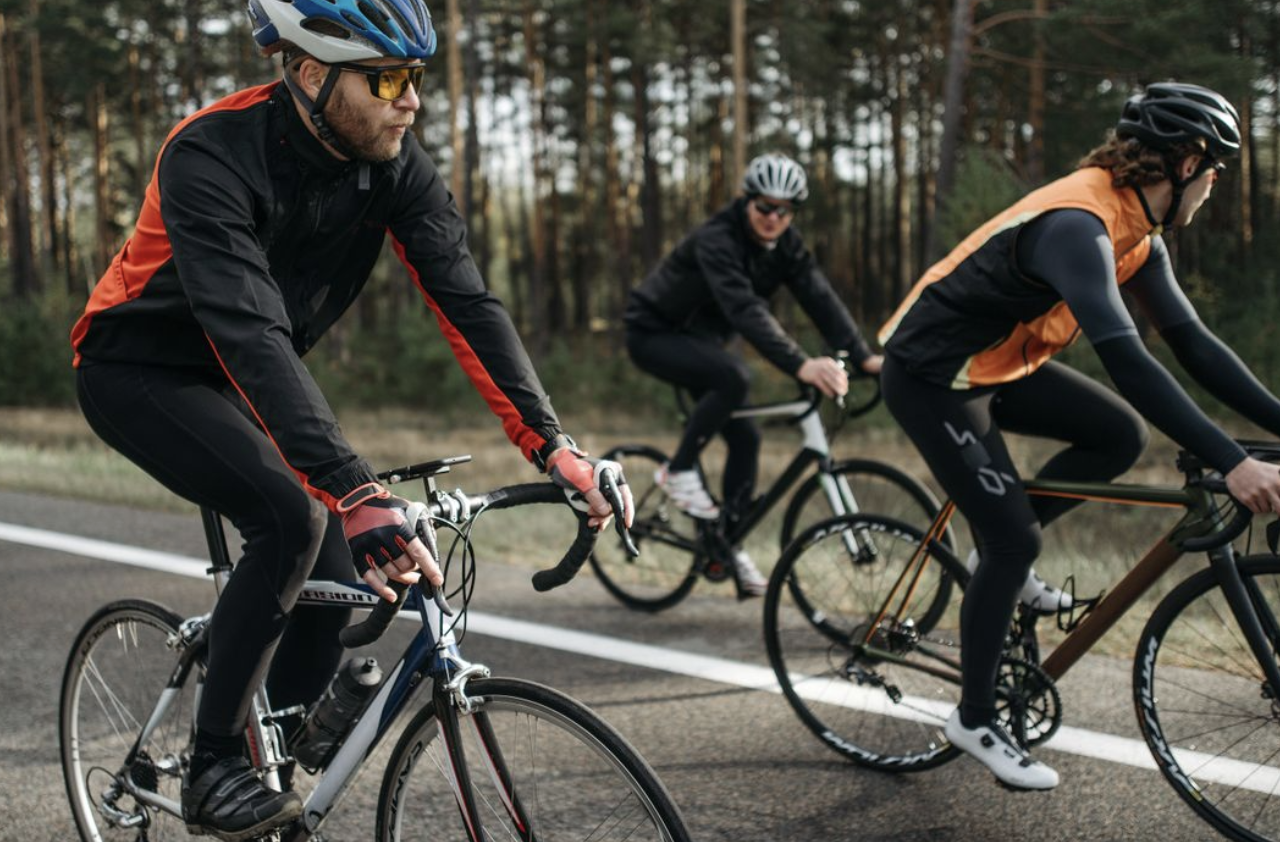
Community rides are often remembered for the route, the people, and the shared feeling of rolling through familiar streets together. A well-planned ride does not need to be complicated, expensive, or overly formal. In many cases, the small details are what make riders want to come back.
Whether you are organizing a casual neighborhood cruise, a charity ride, a bike shop meetup, or a monthly gravel loop, thoughtful touches can make the experience smoother and more enjoyable. They can also help new riders feel welcome, which is often the difference between a one-time turnout and a growing cycling community.
Here are practical ways to make a group ride feel more organized, memorable, and rider-friendly without turning it into a major production.
Start With a Clear Ride Identity
Every good group ride has a personality. Some rides are social and relaxed. Others are fitness-focused, scenic, family-friendly, or built around a theme like coffee stops, night riding, vintage bikes, or local trails.
A clear identity helps people decide whether the ride is right for them. It also makes planning easier. If the ride is meant to be welcoming to beginners, the route, pace, regroup points, and communication should all support that goal. If it is a faster training ride, riders should know what to expect before they show up.
You do not need an elaborate brand. A simple name, a consistent start location, and a short description can do a lot. For example, Saturday Slow Roll tells riders something different than Tuesday Tempo Loop. That clarity reduces confusion and makes the ride easier to share by word of mouth.
Make the Route Easy to Understand
Route uncertainty can make riders nervous, especially if they are new to the area or new to group riding. Even experienced cyclists appreciate knowing the distance, elevation, surface type, and expected pace ahead of time.
If possible, share a digital route before the ride. Include key details such as rest stops, water access, busy intersections, gravel sections, or bailout options. A short written summary is also helpful for riders who do not use GPS devices.
On the day of the ride, do a quick route briefing before rolling out. Mention where the group will regroup, what to do if someone has a mechanical issue, and whether the ride is no-drop. This only takes a few minutes, but it can prevent a lot of stress later.
For larger rides, consider printing small route cards. They can include the ride name, mileage, a simplified cue list, and an emergency contact number. It is a simple detail, but it makes the ride feel more intentional.
Give Riders a Small Way to Feel Included
People like feeling like they are part of something, especially when they are joining a ride for the first time. Small visual cues can help create that sense of belonging without making the group feel exclusive.
Some organizers use spoke cards for themed rides. Others use simple stickers, patches, or number plates for charity events. A low-cost keepsake gives riders something to remember the day by and can become part of the culture of the ride.
For cycling clubs, event organizers, or shop rides that want a more durable token, custom enamel pins can be a subtle option, and myenamelpins.com is one place organizers may consider when planning ride keepsakes, club identity items, or event mementos.
The key is to keep it appropriate to the ride. A small pin for completing a century route, a badge-style design for volunteers, or a themed item for an annual city ride can feel meaningful without being flashy.
Think About the First-Time Rider Experience
Regular riders often forget how intimidating a group ride can feel to someone new. A beginner may wonder where to stand, who to talk to, how fast the group will go, or whether they will get dropped.
A few simple habits can make the experience better. Ask one or two friendly regulars to welcome new faces. Introduce the ride leader before the start. Explain hand signals and basic group etiquette. Let riders know if helmets, lights, or flat repair supplies are expected.
It also helps to identify a sweep rider who stays near the back. This person does not need to be the strongest cyclist in the group. They just need to be patient, calm, and willing to help if someone has trouble.
When new riders feel seen and supported, they are far more likely to return.
Plan Stops With Real People in Mind
A route may look great on a map but still feel awkward if it has no natural stopping points. Riders appreciate chances to refill bottles, use a restroom, adjust layers, or regroup after a climb.
For casual rides, a coffee shop, park, bakery, or scenic overlook can become part of the ride tradition. For longer rides, plan stops based on distance and terrain rather than guesswork. A hilly 25 miles can feel very different from a flat 25 miles.
If the group is stopping at a local business, try to be considerate. Let riders know if indoor shoes are an issue, remind them not to block entrances with bikes, and encourage quick, friendly service interactions. A respectful cycling group is more likely to be welcomed back.
Keep Communication Simple and Consistent
Ride updates do not need to be complicated. The important thing is consistency. Riders should know where to find the latest information if the weather changes, the start time moves, or the route is adjusted.
Use one main communication channel when possible. That might be a website post, social media page, group chat, or email list. Too many channels can create confusion.
A clear ride announcement should include the date, start time, meet-up location, distance, pace, route notes, and any equipment expectations. If the ride is weather-dependent, explain how and when cancellation decisions will be made.
After the ride, share a short recap or a few photos if riders are comfortable with that. It keeps the momentum going and gives people a reason to look forward to the next one.
Recognize Volunteers and Regulars
Most community rides rely on people who quietly make things work. Someone scouts routes. Someone fixes flats. Someone waits at turns. Someone brings extra snacks or checks on the rider at the back.
Recognizing those efforts helps prevent burnout. A simple thank-you at the start or end of the ride matters. For recurring events, you might rotate responsibilities so the same people are not always doing the hidden work.
Small gestures can go a long way. A volunteer-only coffee after the ride, a note of appreciation, or a small annual token can make people feel valued. The goal is not to make the ride formal. It is to show that the community notices the effort behind the scenes.
Leave Room for Traditions to Grow
Some of the most memorable ride traditions happen naturally. Maybe the group always takes a photo at the same mural. Maybe the last climb has a silly nickname. Maybe everyone stops for tacos after the first Friday ride of the month.
As an organizer, you can create space for those traditions without forcing them. Pay attention to what riders enjoy and repeat the things that build connection. Over time, these details become part of the ride story.
Traditions also help riders describe the experience to friends. It is easier to invite someone when the ride has a familiar rhythm and a few memorable details.
Conclusion
A community bike ride does not need a huge budget or complex planning to feel special. Clear information, welcoming habits, thoughtful stops, and small keepsakes can all make the experience more enjoyable.
The most memorable rides usually come down to care. Riders notice when a route is well planned, when new people are welcomed, and when volunteers are appreciated. Those details help turn a simple group ride into something people look forward to week after week.