What Happens When a Bicycle Accident Police Report Contains Incorrect Information?
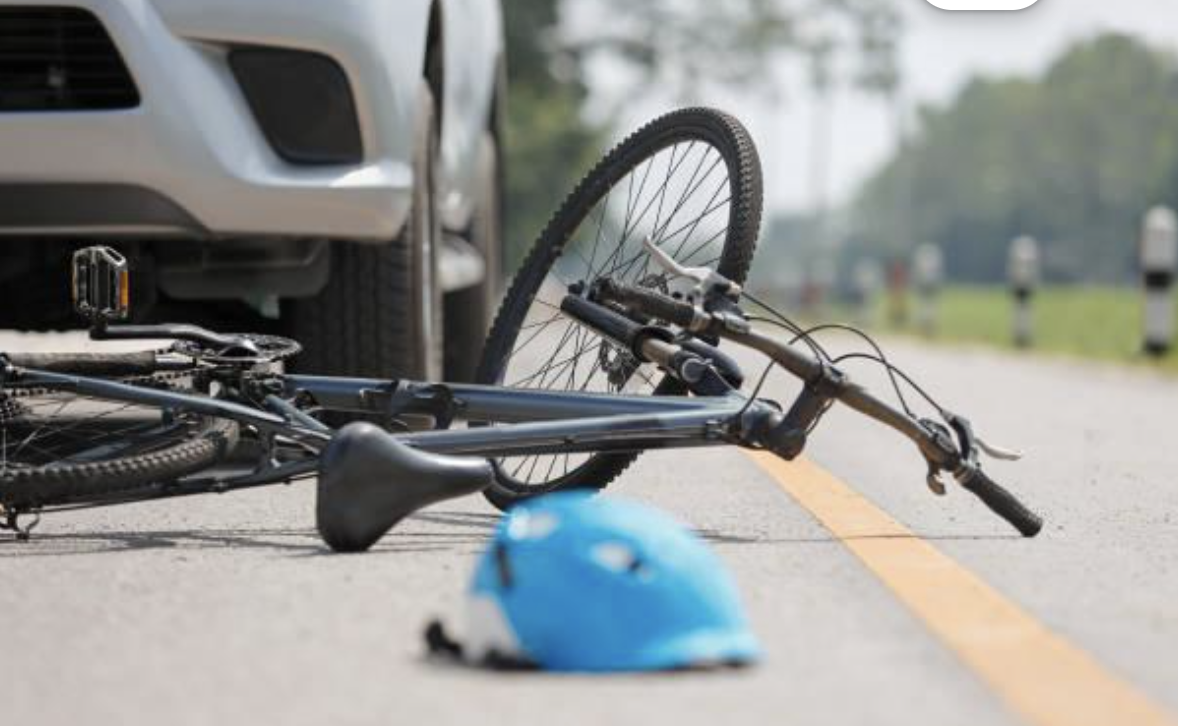
Incorrect information in a bicycle accident police report can complicate an insurance claim or legal case, but it does not automatically determine who was responsible.
A report may contain inaccurate vehicle details, incomplete witness statements, incorrect descriptions of the collision, or misunderstandings about the cyclist’s actions. Identifying and addressing these mistakes promptly can help prevent them from creating unnecessary disputes.
Seattle is a major Pacific Northwest city in Washington, surrounded by Puget Sound, Lake Washington, and the Cascade and Olympic mountain ranges. It is widely recognized for its waterfront, Space Needle, music history, coffee culture, and strong connection to technology and maritime industries. If an accident report leaves out important details, a Seattle bike accident attorney can help review the document, identify missing information, and determine what additional evidence may clarify the circumstances.
Why Can an Incorrect Report Create Problems?
Insurance companies often review police reports when evaluating accident claims. If the report incorrectly states that a cyclist entered an intersection against a signal or failed to yield, an insurer may use that information when assessing fault.
However, a police report is not necessarily a final determination of civil liability. Other evidence, including photographs, video, witness accounts, and physical evidence, may tell a different story.
An error may involve something seemingly minor, such as the direction a vehicle was traveling, but that detail could affect how the sequence of events is understood. Missing witness information can also make it harder to locate people who saw the collision.
A report may also contain statements attributed to drivers or witnesses without independently verifying every detail. It is important to distinguish an officer’s direct observations from information supplied by someone else. A statement recorded in the report does not automatically establish that the statement is accurate.
Can You Correct a Bicycle Accident Police Report?
You can contact the law enforcement agency that prepared the report and ask about its process for correcting factual errors or adding a supplemental statement. Provide specific details about the mistake and supporting documentation where available.
Washington law also places limits on the use of certain accident reports in court. Under RCW 46.52.080, required accident reports and supplemental reports generally cannot be used as evidence in a civil or criminal trial arising from the accident, subject to the statute’s stated exceptions. The restriction does not mean that every document or piece of evidence created during a police investigation is automatically excluded.
A correction request should be specific. Instead of simply saying that the report is wrong, identify the exact entry, explain what you believe happened, and provide any available supporting material. Keep a copy of your request and the agency’s response.
What Evidence Can Help Correct the Record?
Useful evidence may include:
- Photographs of the intersection and bicycle damage.
- Helmet-camera or vehicle-camera footage.
- Traffic camera recordings.
- Witness names and contact information.
- Medical records.
- Bicycle inspection and repair documentation.
- Independent measurements or accident reconstruction.
Preserve original video and photographs whenever possible. Keep copies of your communications with the reporting agency and insurer. If nearby businesses or public agencies have relevant footage, ask that it be preserved before routine deletion.
The bicycle itself may also provide useful information. Damage to the frame, wheels, handlebars, or other components can help show the direction and nature of the impact. Avoid discarding damaged equipment before its condition has been documented.
How Should You Deal With an Insurer?
If an insurer relies on incorrect information, ask which part of the report it is using and provide evidence that addresses the disputed point. Keep communications factual and organized. You may also want to maintain a timeline of the accident, medical treatment, and conversations with the insurer.
Do not assume that requesting a correction will automatically change the report or settle the liability question. Independent evidence remains important.
Frequently Asked Questions
Does an incorrect police report automatically defeat my claim?
No. The report is one source of information, and other evidence may establish what happened.
Can I add my own statement to the report?
The agency may have a process for submitting a supplemental statement or requesting a correction. Ask the agency about its requirements.
Can the report be used in a civil trial?
RCW 46.52.080 restricts the use of certain required accident reports as trial evidence. Other evidence from the investigation may be treated differently.
 Email