Small Details That Make Bike Events More Memorable
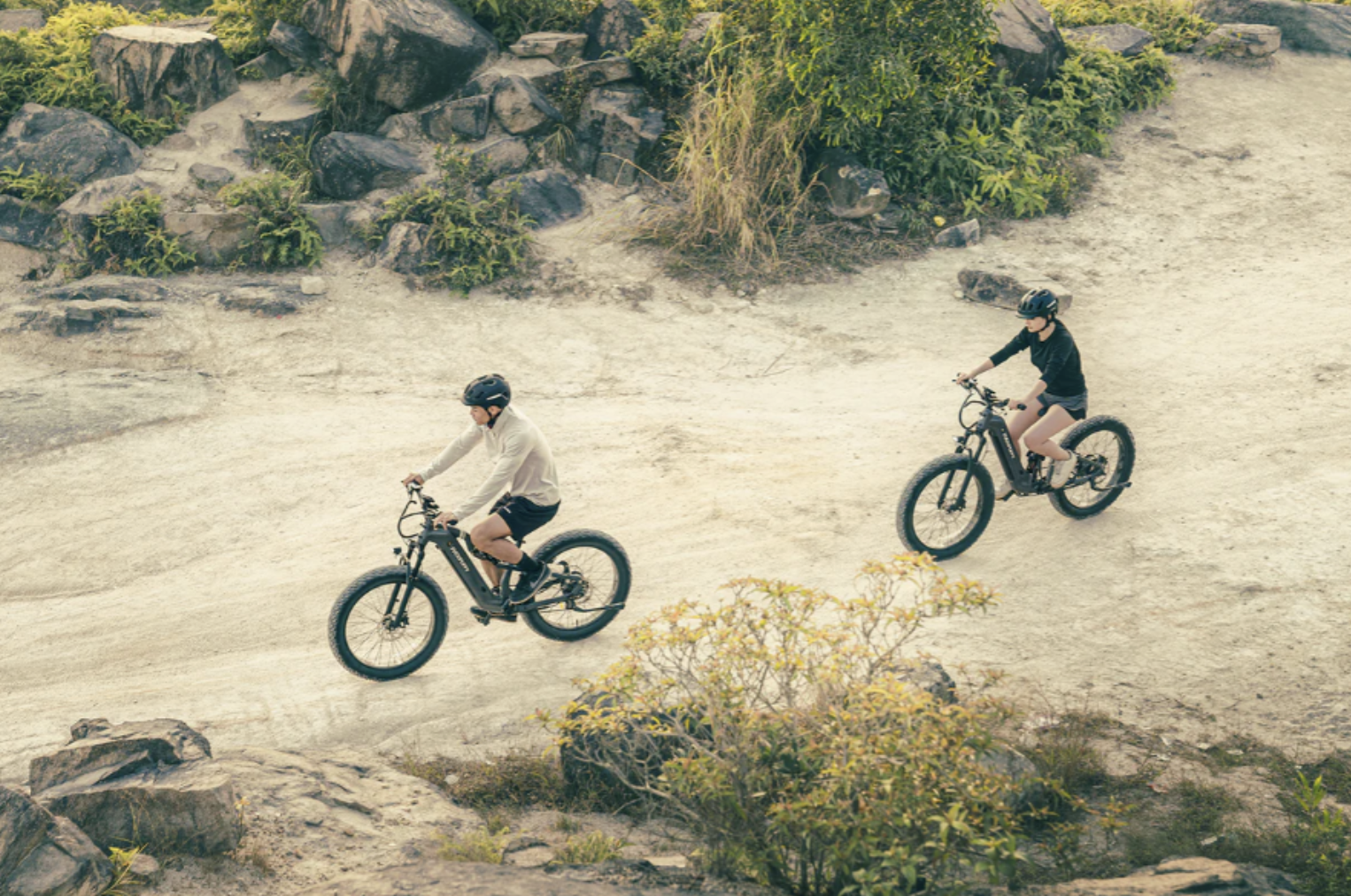
Bike events do not have to be huge to feel meaningful. A neighborhood fun ride, a charity century, a gravel meetup, or a bike-to-work morning can all leave riders with the same feeling: that they were part of something worth remembering.
The route matters, of course. So do safety, timing, and clear communication. But the details around the ride often shape how people talk about it afterward. A smooth check-in, a thoughtful rest stop, a small keepsake, or a friendly volunteer at a tricky turn can turn a simple group ride into an experience people want to repeat.
For organizers, the good news is that these details do not need to be complicated. Many of the most memorable touches are practical, low-cost, and easy to plan in advance.
Make the Ride Feel Easy Before It Starts
A good event begins long before the first rider clips in. Clear pre-ride information reduces stress and helps people arrive prepared.
Send riders the basics in plain language: start time, parking instructions, route length, elevation notes, weather expectations, and what they should bring. If the ride includes gravel, busy roads, steep climbs, or limited services, say so early. Riders appreciate knowing what they are getting into.
It also helps to share a route file and a simple map. Not everyone will use a GPS head unit, and some riders still like having a screenshot or printed cue sheet as backup. If there are regroup points or optional shortcuts, mark them clearly.
For casual events, remind riders about lights, helmets, water, and a flat repair kit. These reminders may sound basic, but they prevent common issues that can slow down the whole group.
Create a Calm and Welcoming Start Area
The first 15 minutes of a bike event set the tone. If riders arrive to confusion, long lines, or unclear instructions, they start the day with tension. If the start area feels organized and friendly, they relax.
Simple signage can make a big difference. Mark registration, restrooms, water, gear drop, and the rollout point. If the event has multiple distances, use color-coded signs or wristbands so riders know where to line up.
Volunteers should be easy to identify. Matching shirts, bright vests, or even simple name tags help participants know who can answer questions. Give volunteers a short briefing before riders arrive so they know the schedule and common answers.
Music, coffee, and a few floor pumps can also improve the start area without much effort. Riders often show up early, adjust tire pressure, chat with friends, and look around. A welcoming space helps build the social side of the event.
Design Rest Stops Around Real Rider Needs
Rest stops are more than places to grab a banana. They are recovery points, social moments, and sometimes the difference between a rider finishing comfortably or struggling through the last miles.
Think about the route when planning supplies. A hot summer ride needs more water, shade, and electrolytes. A cold spring ride may call for warm drinks or extra snacks. A hilly route might require a stop soon after the hardest section so riders can regroup.
Food does not have to be fancy. Riders usually want items that are easy to eat and familiar: fruit, salty snacks, small sandwiches, cookies, and refill stations. If the event is long, add options that feel more substantial.
Mechanical support is helpful if possible, but even a basic repair kit can save a ride. Tire levers, tubes in common sizes, a pump, chain lube, and a multitool cover many small problems. Put the kit where volunteers can find it quickly.
Give Riders Something They Will Actually Keep
Event items are easy to overthink. Many riders already own plenty of bottles, shirts, and drawstring bags. The goal is not to hand out more stuff, but to offer something connected to the experience.
Useful items work well when they fit the ride. A small reflective sticker can make sense for a commuter challenge. A printed route card can become a memento if the ride crosses notable roads or landmarks. A bandana can be practical for dusty gravel events. A patch or pin can mark the year, distance, or club identity without taking up much space.
For cycling events that return each year, a custom enamel pin can also become something riders look forward to collecting. A design featuring the event logo, route, or year gives participants a simple reminder of the ride, and Nextpins provides custom enamel pins that can incorporate these details.
The important part is restraint. A simple item with a strong connection to the ride often feels more meaningful than a bag full of random promotional products. If the event has a tradition, build on it. Riders like collecting something that shows they were there.
Add Small Moments Along the Route
Memorable rides often have a few moments that break up the miles. These do not need to be elaborate.
A scenic photo stop can become part of the event identity. A volunteer with a cowbell on a climb can make riders smile. A chalk message on the road before a tough hill can give people a little push. A sign naming the final climb or last five miles can help riders mentally reset.
If the route passes a local landmark, farm stand, mural, overlook, or historic site, consider making it part of the ride story. Mention it in the pre-ride email or place a small sign nearby. Riders enjoy knowing why a route goes where it goes.
For family rides or beginner-friendly events, add simple encouragement at key points. Newer riders may be nervous about distance, traffic, or group etiquette. Friendly reminders and visible support help them feel included.
Keep the Finish Area Social
A strong finish gives riders a reason to stay, talk, and share the day. This is especially important for charity rides, club events, and community rides where relationships matter as much as mileage.
Start with the basics: water, seating, shade, and a clear place to park bikes. Riders are often tired and hungry when they roll in, so make the finish area easy to understand. If food is available, mark the line. If there are photos, awards, or announcements, post the schedule.
A casual photo backdrop can work well, especially if it includes the event name and year. Riders like taking pictures with friends, bikes, and finish signs. These photos often become the way people remember the day.
If the event includes different distances, celebrate all of them. The person finishing a 10-mile community ride may feel just as proud as the person finishing a century. A welcoming finish area should make every rider feel seen.
Learn From Riders While the Details Are Fresh
After the event, collect feedback while people still remember the experience. A short survey is enough. Ask what worked, what was confusing, where support was needed, and whether riders would return.
Pay attention to repeated comments. If several people mention a dangerous turn, unclear sign, crowded check-in, or empty water station, that is useful information for next time. Positive comments matter too. They show which details are worth keeping.
It also helps to debrief with volunteers. They often notice things organizers miss, from parking problems to rider questions to supply shortages. A 20-minute discussion after the event can save hours of guessing later.
Keep notes in one place. List what you ordered, what ran out, how many volunteers were needed, and which vendors or partners were easy to work with. Future planning becomes much easier when last year’s details are not stuck in someone’s inbox.
Conclusion
A bike event becomes memorable when riders feel prepared, supported, and connected to the experience. The route may bring people in, but the small details often bring them back.
Clear communication, thoughtful rest stops, friendly volunteers, useful keepsakes, and a relaxed finish area all contribute to the same goal: helping riders enjoy the day without unnecessary stress.
Whether the event is a local club ride or a larger fundraiser, paying attention to these details shows respect for the people who showed up to ride. That is what riders remember when they head home, tired legs and all.
 Email
Email