Used or Refurbished? What to Check Before Buying a Pre-Owned E-Bike
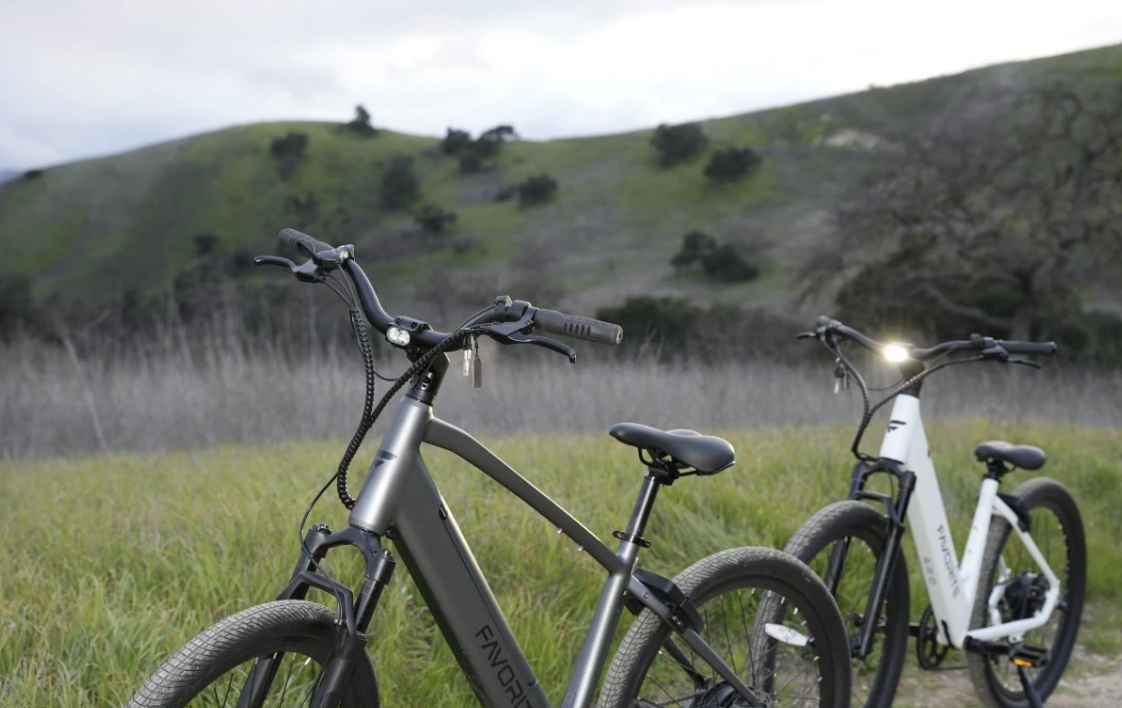
A pre-owned e-bike can put a useful everyday ride within reach of a smaller budget. The best value, however, is not always the bike with the lowest asking price. It is the one whose condition, battery history and support you can understand before paying.
A private-sale bike may come with detailed records from a careful owner. A refurbished bike may offer documented checks and a seller who handles questions after delivery. Neither description tells the whole story. Start by comparing what you actually receive: the bike, its charger, evidence of its condition and the terms behind the sale.
Find out what “refurbished” includes
“Used” describes a bike that has had a previous owner or use. “Refurbished” describes work carried out before resale, but the scope can differ considerably between sellers.
Ask who performed the work and what was checked. Was the bike simply cleaned, or were its brakes, drivetrain, electrical connections and motor operation inspected? Were worn parts replaced? An itemized service note is more useful than a general assurance that the bike “works great.”
Look at how the seller defines condition grades. If Grade A and Grade B describe cosmetic wear, the grade may help you decide whether a scratch is worth a discount. It does not tell you which battery has more usable capacity. For a closer look at how the two kinds of listings compare, see FavoriteBikes’ used-versus-refurbished e-bike guide.
Ask about the battery before comparing mileage
A display showing low mileage does not tell you how an e-bike was stored or how the battery performs today. Ask for the battery model, its approximate age and whether it is original to the bike. If the seller says it was tested, ask what the test measured. A shop report showing measured capacity gives you different information from a check that the battery powers on.
Ask to see the charger label as well. Confirm that the charger is approved for that exact battery; a plug that fits is not enough. If the battery housing is cracked or swollen, do not charge it to see whether it still works.
Before making an offer, find out whether a compatible replacement battery is actually available and what it costs. That number matters even if you do not expect to buy one immediately. A modest discount is less attractive if the battery is the main unknown and a replacement is difficult to source.
Verify the bike’s history and what comes with it
Match the model and frame serial number to the available purchase or service records. Ask about crashes, water exposure, repairs and changes to the motor, controller or wiring. Missing paperwork on an older bike is not the same as conflicting paperwork. If the serial number has been removed or the seller’s account does not match the bike, walk away.
Check the small items that make the bike usable: battery keys, charger, display and any hardware needed for an included rack or accessory. If an app or owner account controls a feature you need, have the seller demonstrate that ownership can be transferred. Finding out after the sale that you cannot unlock the battery or access the bike’s controls is an avoidable expense.
Inspect the bike you will actually ride
Start with fit. Can you get on and off comfortably, reach the brake levers and control the bike at walking speed? If you will carry it up steps or lift it onto a rack, try that movement with permission. A bargain that is too heavy for the trip from your apartment to the street may see little use.
Look for tire damage, loose wheels, visible frame damage and unusual wear. With the seller’s permission, walk the bike and test both brakes before considering a short ride away from traffic. During the ride, notice whether the gears shift cleanly and assistance engages consistently. Stop if braking or steering feels wrong. A short ride can reveal faults, but it cannot establish full battery range.
Buying remotely? Ask for recent photos of the actual bike, including both sides, the battery area and any damage mentioned in the listing. Stock photos can help identify a model, but they cannot show what you are agreeing to accept.
Compare the cost of getting each bike ready
Write down the asking price, then add the costs you can identify: delivery, a missing charger, worn tires or a shop inspection. Keep uncertain repairs separate. For example, if a private-sale bike needs tires and has an untested battery, get a tire quote and price the correct battery. Compare both totals—with and without battery replacement—against the refurbished option. You can then see whether the saving is worth the uncertainty.
Read the written purchase terms before paying. Who handles a problem after delivery? What does the warranty cover, and who pays shipping if the bike needs to go back? If a return policy includes mileage or wear limits, ask how the seller accounts for miles and marks already on this particular bike. Keep the listing, photos and written answers with your receipt.
Make the final call
For a dealer-sold comparison, browse FavoriteBikes’ refurbished e-bikes. The collection describes Grade A and Grade B cosmetic conditions, inspection and testing of key systems, and a one-year limited refurbished warranty. Check the current listing and applicable terms for the bike you choose.
Before deciding, put the candidate in one of three groups:
- Ready to consider: The bike fits, its condition is understood and the total cost works.
- Needs more information: Battery history, ownership, repairs or purchase terms remain unclear. Write down the one answer or quote that would change your decision.
- Not the right purchase: The seller cannot resolve an ownership or safety concern, or necessary repairs outweigh the saving.
A worthwhile pre-owned e-bike should make your next ride easier—not leave its most expensive questions unanswered.