Where Cyclists Park Says a Lot About a Building
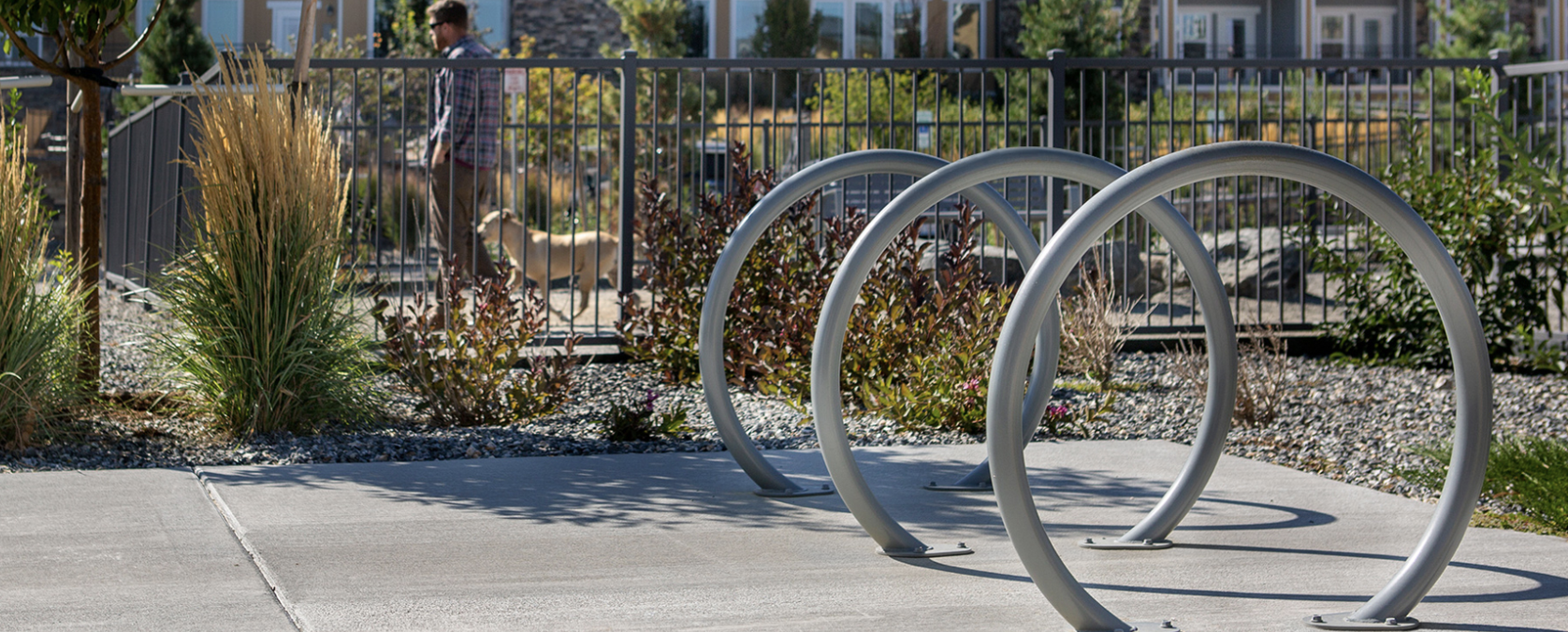
Next time you walk up to an office, library, or apartment complex, glance at where the bikes are parked. You can learn a lot from it.
At some buildings, bikes are chained to stair railings, light poles, and scrawny young trees. At others, there’s a single bent wheel rack shoved into a corner that nobody trusts. And then there are buildings with clean, sturdy racks right by the entrance, bikes lined up neatly, and a setup that clearly says cyclists are welcome here.
That last group is getting it right, and more property owners are catching on.
Bike parking isn’t an afterthought anymore
More people ride to work, school, and errands than they used to, whether for exercise, saving on gas, or simply because they enjoy it. Many cities now include bike parking requirements in building codes, and green building programs often reward projects that support cycling.
But even beyond the rules, good bike parking is just good hospitality. It tells tenants, students, employees, and customers that you thought about how they actually get to your door.
Architects and property managers often turn to products like Anova commercial bike racks because they’re designed to blend function with a look that fits the rest of the site, rather than an industrial eyesore planted by the front entrance.
What makes a good bike rack
It supports the frame. The old wheel bender racks, where you slide a front wheel into a slot, are notorious for tipping bikes over and bending rims. Modern designs support the bike’s frame at two points so it stands steady.
It lets riders lock up properly. Cyclists want to lock the frame and at least one wheel with a sturdy U lock. A good rack makes that easy without awkward reaching or contorting.
It’s built to last. Outdoor racks face rain, snow, salt, sun, and the occasional careless car bumper. Heavy gauge steel with a durable powder coat or stainless finish stands up to the elements and resists rust.
It’s securely installed. Surface mounted racks bolt to existing concrete, while in ground versions are embedded for extra security. Either way, a rack that can be pried loose isn’t doing its job.
Placement matters as much as the rack
The best rack in the world won’t get used if it’s hidden behind the dumpsters. Riders want parking that’s close to the entrance, visible, well lit, and ideally covered from the weather. Visibility also discourages theft, since nobody wants to cut a lock in full view of a busy doorway.
Give each bike enough room. Racks placed too close together or too close to a wall become frustrating fast. A little extra planning around spacing makes the whole setup more usable and keeps walkways clear for pedestrians.
Style is part of the package
Bike racks used to be purely functional. Today they can be a real design element. Sculptural shapes, custom colors that match a brand, and finishes that coordinate with benches, planters, and trash receptacles help tie a whole outdoor space together.
For corporate campuses, universities, and retail centers, that cohesive look matters. A rack that matches the rest of the site furnishings looks intentional. A random one looks like it was bought in a hurry.
Planning for the right number
How many spaces do you need? Start with any local code requirements, then think about your audience. A downtown office near a bike lane will need more than a suburban medical building. Universities and transit hubs often need a lot. Watch how many bikes are locked to railings now, then plan for growth. It’s much easier to install extra capacity during construction than to add it later.
Think about long term care
A good rack should need very little attention, but a quick check every season helps. Look for loose bolts, chipped finishes, and abandoned bikes taking up space. Touch up scratches before rust can start, and clear snow and leaves so riders can actually reach the rack in every season.
Quick checklist for property managers
- Does the rack support the bike frame at two points?
- Can riders lock both the frame and a wheel easily?
- Is the finish rated for outdoor weather and heavy use?
- Is it near the entrance, visible, and well lit?
- Does it match the rest of your outdoor furnishings?
- Is there room to expand if demand grows?
A small detail that sends a big message
Bike parking is one of those details people notice without thinking about it. When it’s done well, riders feel welcome, the entrance looks tidy, and your railings and trees stay free of chained up bikes.
It’s a relatively small investment that improves the first impression of a property every single day. And for the growing number of people who show up on two wheels, it makes a real difference.
 Email