A Kansas City Cyclist’s Guide to Recovering After a Crash
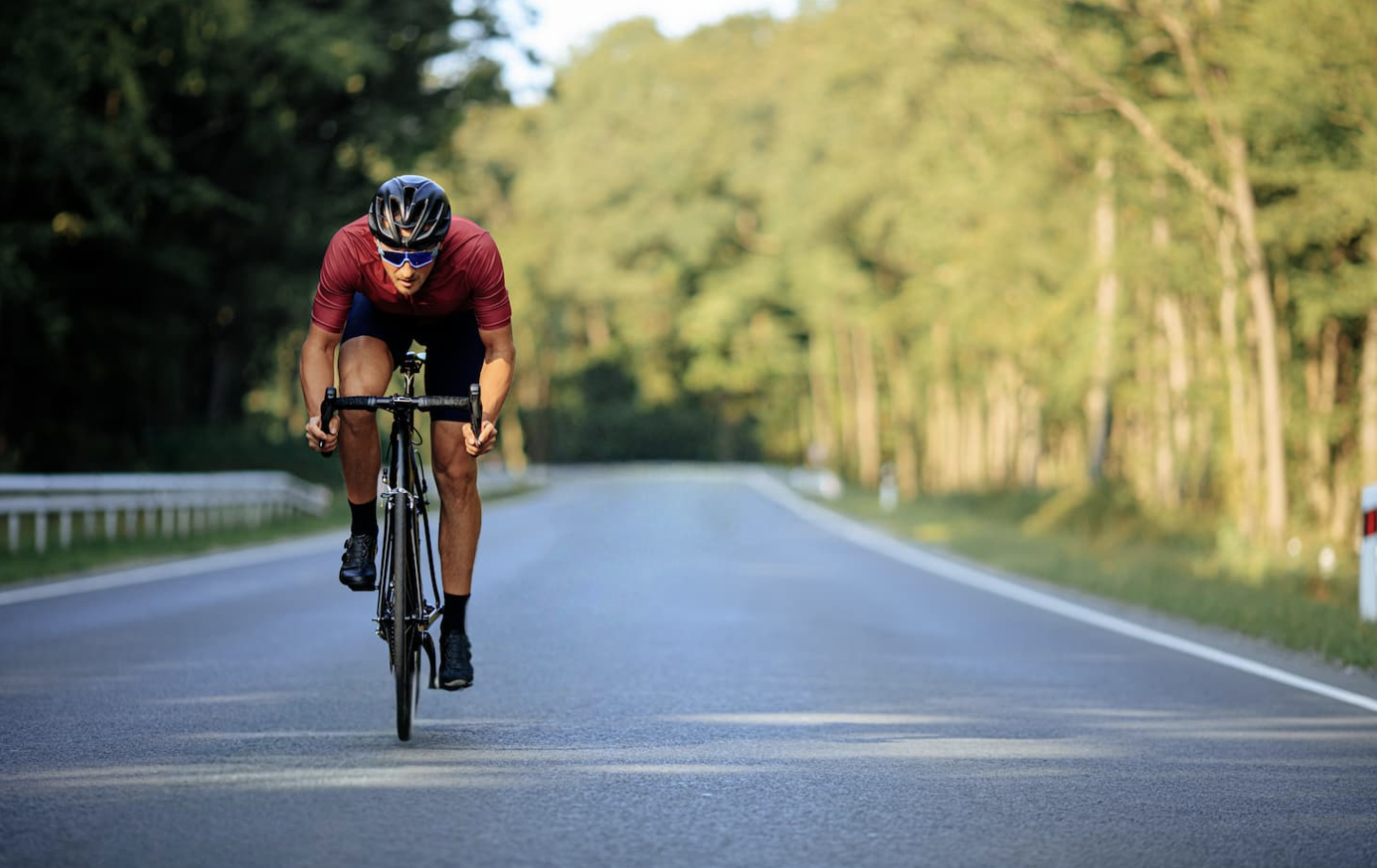
Every rider knows the feeling of a close call. A car drifts too near on a narrow street, a driver rolls through a stop sign while looking at a phone, or a parked car door swings open without warning. Most days, you brake, shake your head, and keep pedaling. But sometimes the driver does not see you in time, and in a split second you are on the pavement with a bent wheel, torn clothes, and pain that has not fully set in yet.
A collision between a bike and a car is very different from a fender bender between two vehicles. The injuries tend to be more serious, insurance issues come up quickly, and drivers often try to shift the blame onto the rider. Speaking with a bicycle accident attorney in Kansas City can help you understand your rights and avoid mistakes that weaken a claim. This guide covers what injured riders should know, from the first hour after a crash to the insurance questions that come later.
A Bike Crash Is Not Just Another Car Accident
Drivers have seatbelts, airbags, and a steel frame around them. Cyclists have a helmet and whatever they are wearing. That difference means even a crash at a moderate speed can lead to broken collarbones, wrist fractures, road rash, spinal injuries, and head trauma. Many of these injuries need surgery, physical therapy, and weeks or months away from work. The full cost often is not clear until long after the crash, which is one reason riders should be careful about settling a claim too early.
The First Hour After Being Hit
If you can move, get yourself out of traffic before anything else, since a second impact is a real danger. Call 911 even if you think you are fine, and ask for a police report. Some drivers will try to talk you out of calling the police or offer cash on the spot, but an official report creates a record of what happened while the details are still fresh.
If you are able, take photos of the car and its license plate, your bike, the road, nearby signs or signals, and any visible injuries. Ask people who stopped to help for their names and phone numbers before they leave. Independent witnesses can be extremely valuable if the driver later tells a different story.
Don’t Trust the Words “I Feel Fine”
Adrenaline is powerful. Right after a crash, it can hide pain and mask the signs of a concussion. Many riders feel shaken but okay at the scene, only to wake up the next day with a pounding headache, trouble focusing, or sensitivity to light. A helmet lowers the risk of a serious head injury, but it does not make a rider immune to one.
If you were hit by a car, it is wise to assume your brain took some force and to get checked out by a doctor. Keep a simple journal of symptoms in the days that follow, including headaches, dizziness, sleep problems, memory issues, and mood changes. These notes help your doctors, and they also create a record that connects your symptoms to the crash if an insurance company questions them later.
Rules Drivers Must Follow Around Cyclists
Both Missouri and Kansas treat cyclists on the road as having the same basic rights and duties as drivers, with some exceptions. Drivers must give riders room when passing. Kansas law sets a minimum passing distance of three feet, while Missouri requires drivers to pass at a safe distance and keep that space until they are clear. Both states also have rules against opening a car door into moving traffic unless it is safe to do so. The National Highway Traffic Safety Administration’s bicycle safety resources explain how drivers and cyclists can share the road more safely, and those same principles often come up when fault is disputed.
Insurance adjusters sometimes argue that a rider was hard to see, riding in the wrong spot, or not wearing a helmet. Evidence about lighting, road position, and the driver’s actions can push back against those claims. In many cases, the real cause turns out to be a driver who was distracted, passed too closely, or failed to yield.
Riding Conditions Around Kansas City
Kansas City offers a lot for cyclists, from the Trolley Track Trail through Brookside to the Riverfront Heritage Trail along the Missouri River and the Indian Creek Trail on the Kansas side. Many people ride to work, run errands by bike, or train on longer routes through the metro’s rolling hills. But riders also deal with fast-moving arterial roads, busy intersections where drivers make quick turns, and narrow streets lined with parked cars where dooring is a constant risk. Downtown riders have to watch for streetcar tracks, which can catch a bike tire and throw a rider off balance. Spots where trails cross busy roads can be especially risky when drivers are not watching for bikes.
The Insurance Gap Most Riders Never Think About
Here is a hard truth about bike crashes: the driver who hit you may not have enough insurance to cover your injuries. Both Missouri and Kansas allow drivers to carry as little as $25,000 in bodily injury coverage per person. A serious crash involving surgery or a brain injury can blow past that amount quickly.
This is where your own uninsured and underinsured motorist coverage can make a big difference. Uninsured motorist coverage may help if the driver had no insurance or fled the scene. Underinsured motorist coverage can step in when the driver has insurance, but not enough. Many cyclists do not realize their own auto policy may protect them even while riding a bike. If you have not looked at your coverage limits lately, now is a good time. If you have already been hurt, finding every policy that might apply is an important early step.
Your Bike and Gear Tell a Story
It can be tempting to fix your bike right away or throw out a cracked helmet. Try to hold off. Damaged frames, bent wheels, scuffed shoes, torn clothing, and a cracked helmet can help show how hard the impact was and where it came from. Take clear photos and keep the items until your claim is settled. Bikes, components, and gear can also be expensive, and you may be able to recover some of their value.
Getting Back in the Saddle
A crash can shake your confidence as much as it hurts your body. Some riders return to the road quickly, while others need time before they feel safe again. Whatever your path looks like, taking care of your health, keeping good records, and understanding your insurance options can protect your recovery. With the right support, you can focus on healing and, when you are ready, getting back to the ride you love.
 Email