Renting A Bike? What To Consider Before You Hit The Road
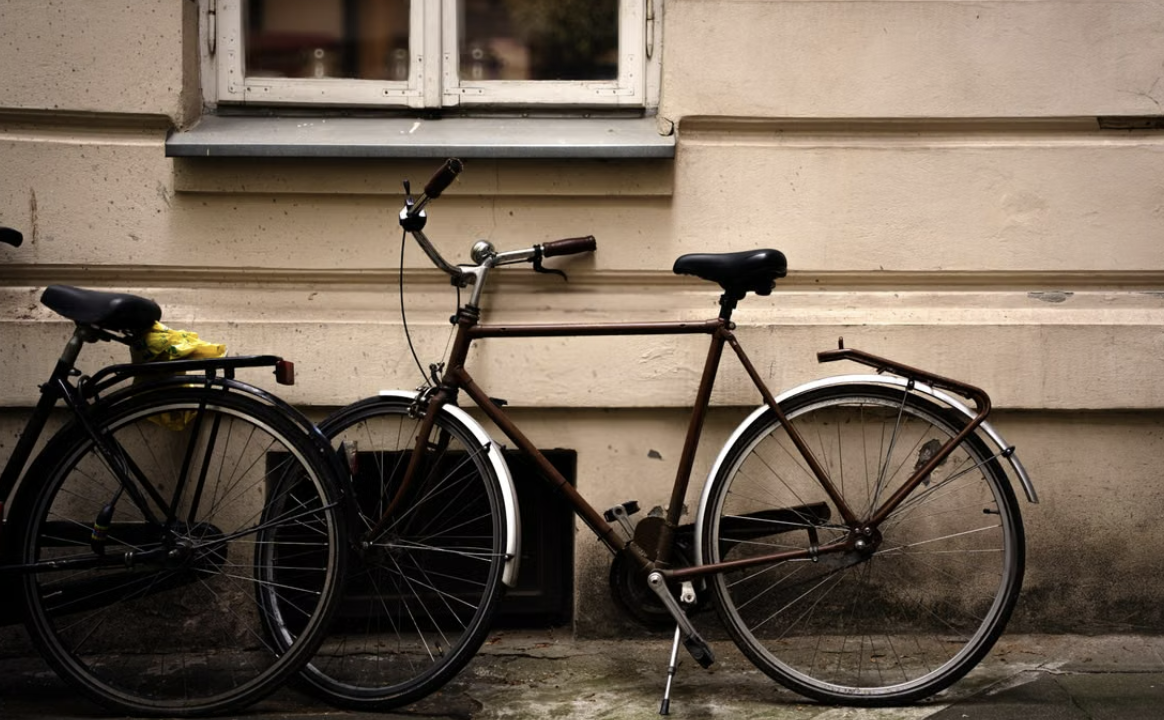
There’s nothing quite like trading a car for a bike: wind in the hair, exploring places cars miss, and earning that treat at the end. But you must prepare well for a rental if you want everything to turn out great. A little preparation goes a long way toward a smooth, enjoyable trip.
Your Perfect Ride
Not every bike rides the same way, and the right choice can make or break the experience. Before reserving anything, think about where the ride will go and how far those legs are willing to carry.
- Beach Cruisers: Perfect for flat, easygoing paths and boardwalk strolls. They are comfortable, simple to ride, and ideal for a lazy afternoon with no real destination in mind.
- Hybrid Bikes: A solid middle-ground option that handles paved streets and well-groomed dirt trails just fine. Great for exploring a mix of surfaces without needing to switch bikes.
- E-Bikes (Electric Assist): They extend the range without leaving the rider completely wiped out by the end of the day.
- Mountain Bikes: The only real choice for tackling rough, off-road trails with steep climbs, rocky patches, and exposed roots. Built to take a beating and keep going.
Selecting a Rental Shop
Choosing the right shop is just as important as choosing the right bike. A reputable establishment ensures quality equipment and fair policies. When looking for bike rentals, look for a shop that is transparent about its terms. For those heading to the coast of South Carolina, a premier choice for exploring the breathtaking beauty of the Kiawah and Seabrook Islands on two wheels is a locally-owned bike rentals business embedded in the community. They offer high-quality bicycles and a personalized touch that makes this little slice of paradise even more mesmerizing.
- Check for Online Presence: Browse the shop’s website for photos of their fleet and up-to-date pricing.
- Read Reviews: Customer reviews on platforms like Yelp or Google offer honest insights into bike quality and service.
- Ask About Policies: Don’t hesitate to call and ask about late fees, damage policies, and what happens if a bike breaks down during the rental period.
- Support Local: Choosing a local business often provides better, more personalized service than a large chain.
The Pre-Ride Safety Check
Never assume the bike is in perfect working order just because it is from a rental shop. Bikes are used heavily, so a quick personal inspection is crucial for safety.
- Brakes: Squeeze both brake levers firmly. The bike should come to a smooth, immediate stop. Look to see if the pads are hitting the rims correctly.
- Tires: Squeeze the tires to check for proper inflation. A flat or underinflated tire makes cycling difficult and can lead to a pinch flat.
- Chain and Gears: Pedal forward and shift through the gears. The chain should move smoothly without skipping or making loud grinding noises.
Gearing Up for Safety
A helmet is the one piece of gear that truly matters for protecting the head, so taking a minute to get the fit right is worth it. It should sit flat and level, not tipped back or shoved down over the eyes, and the straps should hug the ears in a snug “V”, tight enough that it won’t budge in a bump, but not so tight that it leaves a mark. Beyond the helmet, visibility is everything. Bright colors can be the difference between a driver noticing a cyclist or not, especially on gray days or beneath shifting shadows.
If riding near sunrise or sunset, front and rear lights are non-negotiable. Some shops include them; others charge extra, so ask before heading out. And check the reflectors: white up front, red in back, and tiny ones on the pedals, all working to catch headlights from every angle. A few quick checks can turn a potential mishap into just another beautiful day on the road.
The Rules of the Road
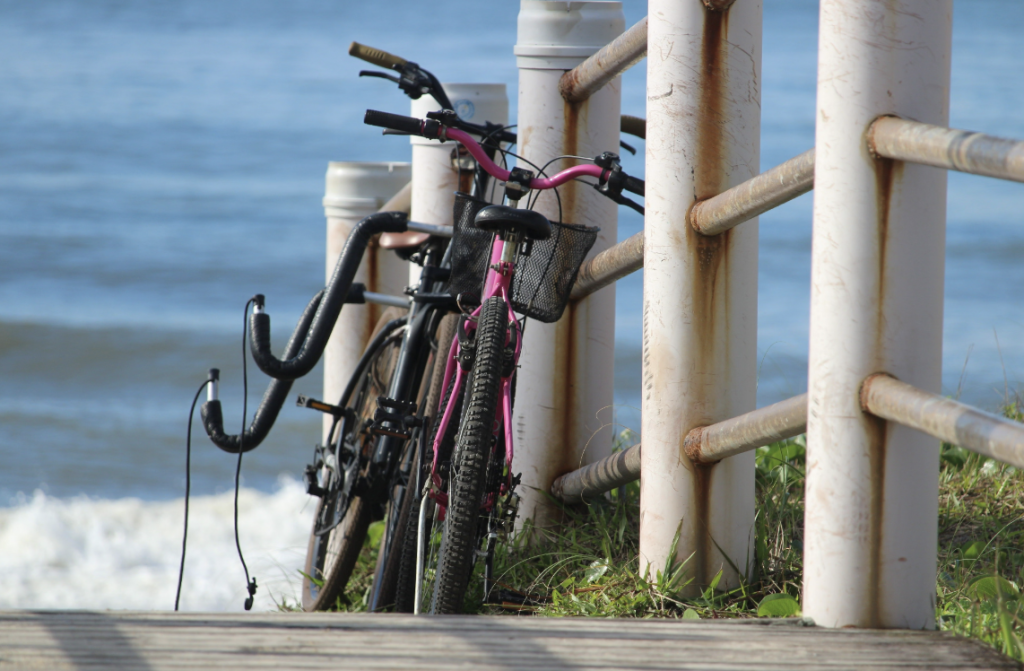
Cyclists are considered vehicles under the law, which means the same rules apply. Staying safe comes down to being predictable and showing other road users the same courtesy expected in return.
Always ride in the same direction as traffic, never against it. That may feel counterintuitive to some, but riding against the flow confuses drivers and dramatically increases the chance of a collision. Stop signs, traffic lights, and lane markings apply to bikes just as they do to cars; there is no special exemption for running a red light simply because pedals are involved. Hand signals matter too, so use them to let drivers and pedestrians know where the bike is heading. And of course, keep the earbuds out. Music might make the ride more enjoyable, but it also drowns out the sounds that keep a cyclist alive: approaching cars, honking horns, and other warnings. Staying aware of the environment is one of the simplest and most effective ways to avoid trouble on the road.
Terrain and Route
The route can make or break a biking experience. Planning a path that matches skill levels ensures a fun and safe outing.
- Research Paths: Look for dedicated bike paths or low-traffic roads. Many resorts and island communities offer scenic, designated routes.
- Check Elevation: If not a fan of hills, stick to flat trails or consider an e-bike for hilly terrain.
- Beware of Hazards: Be aware of sand, gravel, or wet leaves on the road, as they can cause tires to lose traction.
Logistics and Returning the Bike
Knowing the rental terms ahead of time saves a lot of headaches at the end of the ride. Be crystal clear on the return time, since some shops charge by the hour while others work on half-day or full-day windows. For e-bikes, ask about battery range and whether it comes fully charged, plus what charging options exist if the ride goes long. Late fees can sneak up, so ask about any grace period and exactly how much extra a late return costs. And when bringing the bike back, do a quick walk-around with the shop attendant to confirm everything looks the same as when it was picked up. That simple step avoids any awkward arguments over scratches or damage that were there all along.
A little preparation turns a bike rental from a potential headache into one of the best parts of the trip. With the right ride and a solid grasp of the basics, the road ahead is ready to be enjoyed with confidence.
 Email
Email