The Losses You Can’t See Are Sometimes the Ones That Hurt the Most
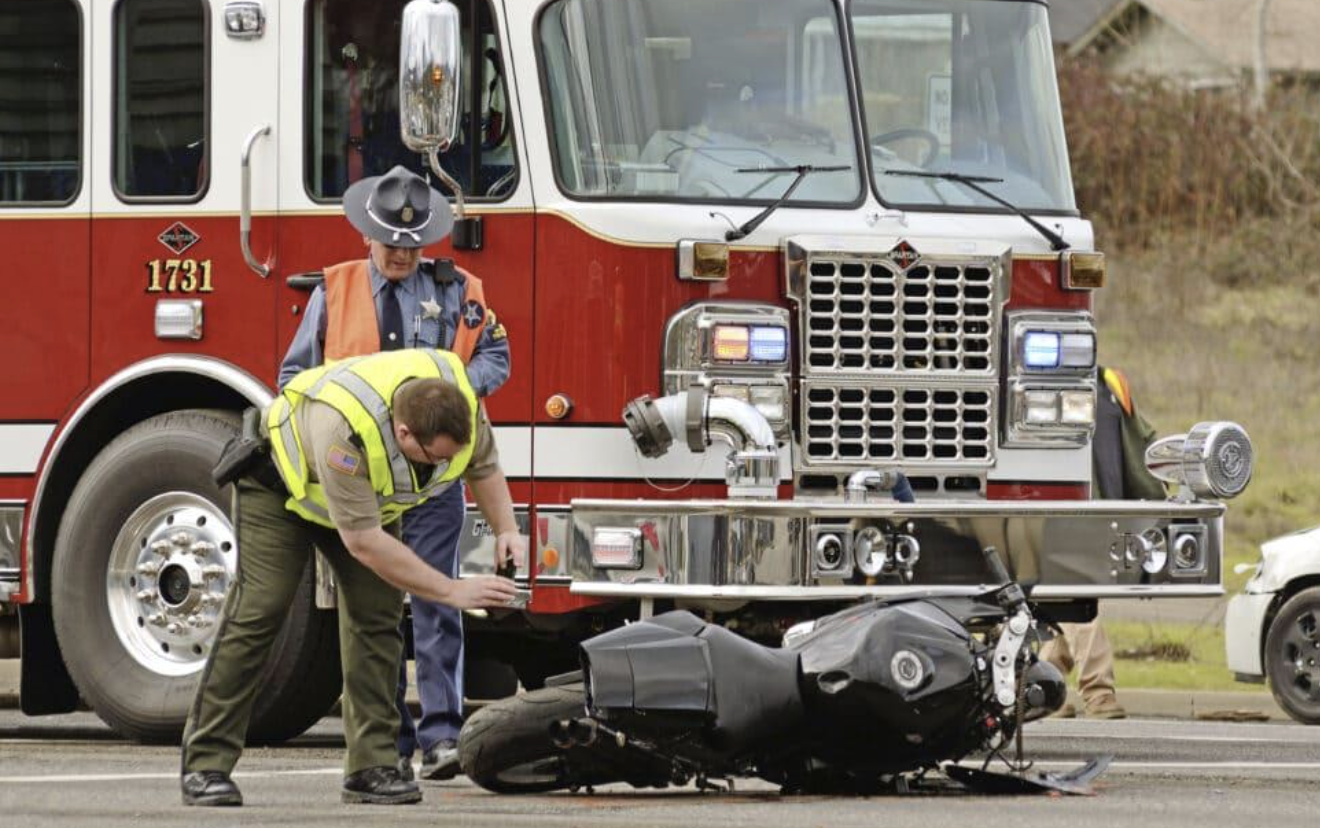
When people picture an injury, they picture what they can see. The cast. The stitches. The neck brace. The hospital wristband. Those things are real, and they matter. But they’re only the tip of the iceberg. Most of the damage sits below the surface.
Underneath are the losses that don’t make it into photos. The paychecks that never came. The anxiety that showed up uninvited. The weekend softball games you quietly stopped going to. Those losses can last much longer than any cast, and they often cost more.
Personal injury damages are meant to account for the whole picture, not just the parts that look dramatic. Knowing what those damages include, and how they’re evaluated, helps injured people recognize everything an accident actually took from them. The list is often longer than expected.
The Financial Losses That Are Easier to Count
Economic damages are the losses with price tags. Medical bills are the obvious place to start, from the ambulance ride and ER visit to surgery, prescriptions, and follow-up appointments. Every invoice helps build the total. Save every single one.
Rehabilitation costs add up too. Physical therapy, occupational therapy, medical equipment, and home modifications can carry big price tags, especially for serious injuries. Lost wages cover paychecks missed during recovery, including overtime and benefits that disappeared along the way. It adds up fast.
Future financial losses can be the biggest piece. Ongoing treatment, future surgeries, and reduced ability to earn a living may stretch for years. Estimating those losses often requires medical opinions and financial analysis, since nobody can simply look them up on a receipt.
The Human Losses That Don’t Appear on a Receipt
Physical pain is the most obvious noneconomic loss. Aching joints, nerve pain, headaches, and the general misery of healing can dominate daily life. Pain doesn’t come with an invoice, but anyone who’s lived with it knows it’s very real.
Emotional distress often travels alongside physical injuries. Anxiety, depression, sleep problems, irritability, and fear of driving can all follow a serious crash. Some people bounce back quickly. Others struggle for a long time. Both experiences deserve to be taken seriously. There’s no wrong way to hurt.
Reduced enjoyment of life captures what’s been taken away. Maybe it’s playing with your kids, gardening, dancing, or simply sitting through a movie without pain. When the things that made life enjoyable slip away, that loss counts too. Sometimes it counts most.
Why the Same Injury Can Affect Two Lives Differently
Age changes the equation. A broken hip may heal differently in a 25-year-old than in a 70-year-old. Recovery time, complications, and long-term effects can vary dramatically depending on where someone is in life. So can the stakes. Context is everything.
Work and family responsibilities matter too. A construction worker with a back injury may lose a career, while someone else with the same injury might keep working with minor adjustments. A single parent juggling everything alone may feel every limitation more intensely.
Recovery expectations and personal circumstances round out the picture. Some injuries heal completely, while others leave permanent limits. Hobbies, lifestyle, and personal goals shape how much an injury takes away. That’s why evaluating damages always requires looking at the individual, not just the diagnosis.
How Different Types of Damages Are Evaluated
Documentation drives everything. Medical records, bills, pay stubs, and tax returns support economic damages, while journals, photos, and witness statements help illustrate noneconomic harm. The stronger and more organized the records, the clearer the picture becomes. Keep everything.
Medical opinions and financial records often carry heavy weight. Doctors can explain prognosis and future treatment needs, while economists or vocational experts may estimate lost earning capacity. Their analysis turns uncertain futures into reasoned estimates, especially for long-term injuries. Numbers need support.
Liability and Indiana law shape what’s recoverable. Indiana uses a modified comparative fault system, so an injured person who’s more than half at fault generally can’t recover, and damages are reduced by their share of fault. Other legal rules may also apply depending on the case.
Conclusion
An injury’s true cost is often hidden. Medical bills and lost wages are only part of the story. Pain, emotional distress, and lost enjoyment of life can reshape daily living in ways that never show up on a receipt.
The same injury can affect two people very differently. Age, work, family responsibilities, and recovery all influence how much harm an accident causes. That’s why evaluating damages requires looking closely at each individual’s actual life. Generic numbers miss real people.
Measuring harm requires looking at the whole life. If you’ve been hurt in Indiana, a qualified attorney can help identify both visible and invisible losses and explain how they may be evaluated under current law. Nothing important should get left out.
 Email