Ways Biking Can Improve Your Mental Health
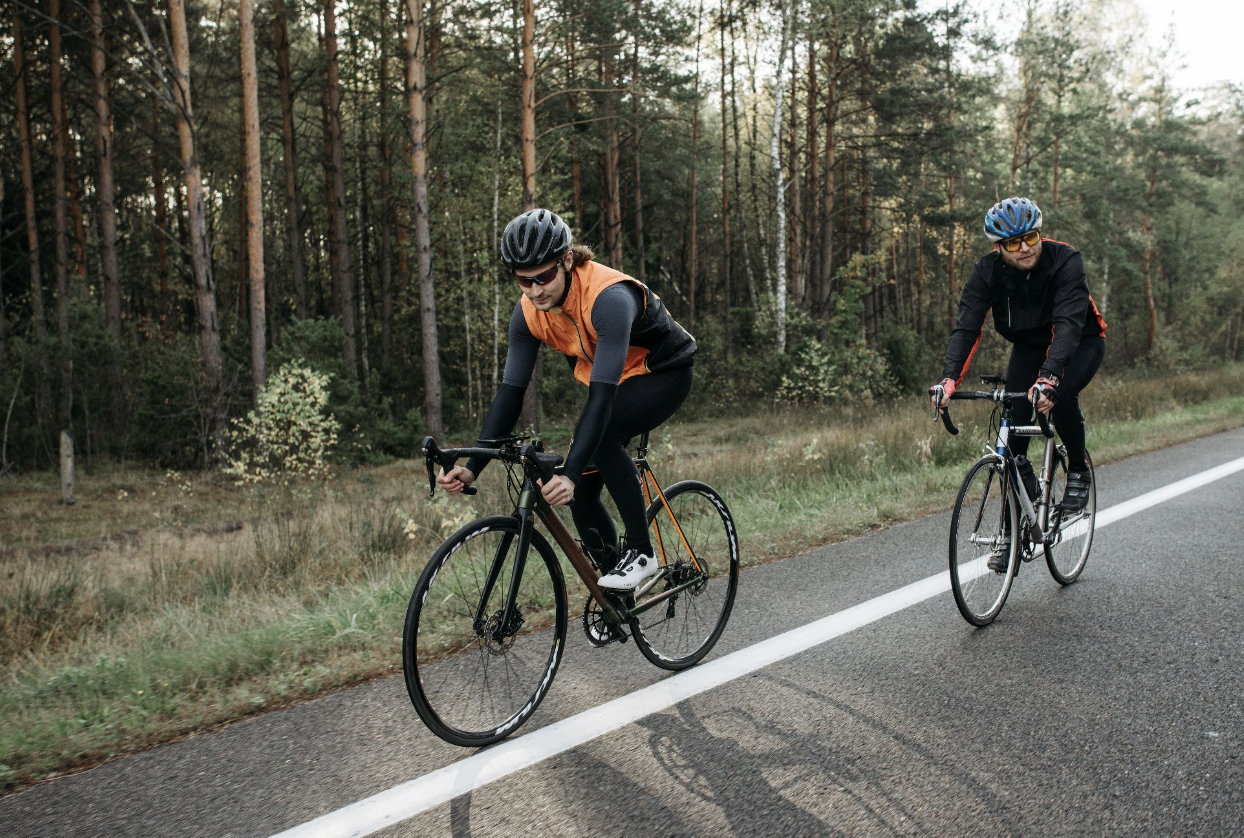
Getting on a bicycle can change your daily outlook positively. Moving your legs and steering down a path helps clear a crowded mind. Many people find that regular rides offer a simple escape from routine worries. Choosing to ride instead of driving creates a refreshing change.
Outdoor exercise provides a great break for your mental well-being. Finding a peaceful activity makes it easier to navigate tough life challenges. Taking this small step can lead to a much healthier lifestyle for your family. Spending time in nature helps you gain perspective.
Lowering Daily Anxiety Levels
Finding a reliable escape from daily worries is a common goal for many working adults. Stepping onto a bicycle offers a direct path toward immediate peace of mind. The physical movement shifts your focus away from personal stress and office pressure.
A report from a medical school group found that 30 minutes of outdoor cycling a day can reduce anxiety by 15 per cent. This quick activity fits easily into most morning or evening schedules. You do not need hours of free time to see real mental rewards.
The simple act of steering through a local park provides immediate relief from heavy internal tension. Consistency remains the main factor when you want to see lasting changes in your mood. Taking a ride every day establishes a healthy boundary against regular panic.
Boosting Nightly Sleep Quality
Insomnia frequently goes hand in hand with high stress levels and constant worry. Achieving deep rest requires a relaxed mind and a physically tired body. A restless night often makes the next morning feel completely unmanageable for anyone.
A cycling magazine study found that regular riders experience a 20 percent gain in their overall sleep quality. Biking requires a lot of physical exertion, which helps your muscles recover overnight. Better rest allows your brain to process emotional data more effectively during sleep.
Going for a ride a few hours before bed could establish a better sleep cycle. Your brain associates the physical exhaustion with a natural time to rest. Better sleep habits shield your mind from mood swings during difficult work weeks.
Managing Severe Mental Health Conditions
Some individuals face heavy emotional challenges that require specialized medical attention. Finding the right combination of therapies yields the best long-term results for patients. Small adjustments can make a big difference. Finding the right path requires patience.
Traditional clinical options form the base of a recovery plan. Medical professionals sometimes combine exercise with dedicated schizophrenia treatment to help individuals gain stability. Physical routines offer a sense of structure during difficult times.
Biking serves as a grounding activity for people dealing with intense psychological stress. Staying focused on the road ahead keeps the mind attached to the present moment. Safe cycling routes allow patients to experience independence. Pedaling builds their physical stamina over the weeks.
Decreasing Physical Stress Hormones
High stress triggers a chemical response that can damage your mood. Finding natural ways to lower these internal alarms prevents long-term burnout. Your body needs a physical outlet to discharge accumulated mental tension.
A health news website stated that aerobic exercise triggers an endorphin release that lowers cortisol in over 70 percent of participants. Moving your legs rapidly creates a powerful chemical shift in your bloodstream. These happy chemicals replace the stress hormones that pile up during long office meetings.
These biological changes help shield your nervous system from regular work pressures. A short ride acts as an emotional reset button after a demanding afternoon. You can return to your responsibilities with a clearer head and a calmer pulse.
Building Stronger Social Connections
Isolation can make emotional struggles feel much worse than they are. Joining a local group of riders opens doors to meeting new people. Shared experiences help individuals break out of lonely routines and make new connections. Making new connections takes effort.
An athletic publication pointed out that riders joining local cycling groups saw a 30 percent increase in social connectedness. Sharing a common interest builds immediate community bonds. Riding alongside others offers a safe space to practice communication skills.
Group rides offer distinct social advantages for new participants.
- Riders share safety tips during the trip.
- Conversations during easy paths help reduce loneliness.
- New friendships develop over shared miles.
Supporting Natural Brain Chemistry
Exercise keeps your mind sharp as you navigate aging. Moving your body protects critical cognitive functions by stimulating growth factors. A healthy brain requires constant physical activity to maintain its structural integrity over the years. Consistent habits shield your mind.
An article on psychology research noted that pedaling at a moderate pace increases brain-derived neurotrophic factor. This protein supports the survival of existing neurons. Generating more of this protein helps repair cells damaged by chronic stress.
Increased protein production helps the brain adapt to new intellectual challenges. Regular movement keeps your mental faculties working at peak performance. You might notice improved memory retention after a few weeks of consistent daily pedaling.

Easing Mild To Moderate Depression
Dealing with a low mood makes simple daily tasks feel heavy and exhausting. Finding sustainable lifestyle habits can offer noticeable relief over the months. Small changes in your routine can yield surprising improvements.
A prominent clinic stated that regular cycling acts as a strong complementary therapy for mild-to-moderate depression. Combining outdoor exercise with standard treatment plans gives patients more control over their wellness. This dual approach tackles symptoms from both physical and mental angles.
Small steps on a bike lead to larger strides in mental health. The forward momentum of pedaling mirrors the emotional progress you make in recovery. Taking charge of your exercise routine builds personal confidence and self-esteem.
Breaking Negative Thought Patterns
Mindless worrying can trap you in a repetitive cycle of despair. Breaking these loops requires a shift in your physical surroundings. Sitting in one room often makes dark thoughts feel completely overwhelming.
A mental health platform reported that rhythmic physical activities like cycling create a meditative state that alleviates negative thought loops. The repetitive motion provides a natural distraction from internal stress. Your focus shifts to the balance needed to stay upright.
Focusing on your balance and the road ahead leaves little room for anxious ruminations. Your brain gains a quiet space to process emotions calmly. This mental break can clear away the fog of daily frustration and worry.
Taking care of your mind requires a mix of good habits and regular activity. Biking provides a practical way to boost your mood. Pedaling allows you to explore your neighborhood safely.
Grabbing your helmet and hitting the pavement can start a positive chain reaction. A simple bike ride might be the perfect addition to your mental wellness toolkit.
 Email
Email