Cycling on a Budget: How to Save on Bike Gear
Cycling is an incredible way to explore your community and improve your health. New riders often hesitate since they worry about the high prices of gear.
You do not need a massive bank account to enjoy riding a bicycle. Smart planning helps you find quality equipment that fits your financial limits perfectly.
Setting A Realistic Cycling Budget
Getting started requires looking at your finances clearly before making any purchases. You should list your immediate needs, like a bicycle and basic safety items, first.
Many online retailers offer seasonal discounts on riding apparel and components. If you take time to browse coupons before finalizing your online shopping cart, you can save significant money on gear. These small savings add up quickly over a few months of riding.
Setting a clear spending limit prevents impulse buys on shiny upgrades. Stick to your list of necessities during your initial months of riding. This disciplined approach keeps your hobby affordable and fun.
You can expand your budget later as you discover what kind of riding you prefer. Forcing yourself to use basic gear teaches you what upgrades matter most. You will make smarter buying choices down the road by starting slow.
Smart Strategies For Buying A New Bicycle
Purchasing a brand-new bicycle represents the highest upfront cost for any rider. Entry-level adult models often start around $250 and can go up significantly.
High-end competitive road bikes or advanced electric models frequently cost $5,000 or more. Understanding these price ranges helps you set realistic expectations before visiting a bike shop.
A health group article mentioned that adult bicycle pricing varies widely depending on the intended use. Beginners can usually find a durable hybrid or commuter bike without crossing the $500 mark. You should talk to local shop mechanics to find reliable entry models that fit your specific route.
New riders often purchase more bikes than they actually need for local paths. Stick to standard models with basic components to keep your initial investment low. You can always upgrade specific parts later as your mileage increases.
Shop for new bikes during the late autumn or winter months. Retailers often discount current-year models to clear space for incoming inventory.
Finding Affordable Safety Equipment
Protecting your head is a critical requirement every time you jump on a bicycle. High-quality helmets do not have to drain your wallet completely. A university transportation department noted that its campus bike shop provides top-tier helmets for $35.
Look for safety certifications on packaging rather than focusing on expensive brand names. Standard models protect your head just as effectively as luxury options. Many local advocacy organizations distribute free or discounted helmets during community safety workshops.
You should avoid buying used helmets since hidden structural damage might compromise your safety. Spend your money on a fresh, certified budget helmet instead. This small investment delivers complete peace of mind on every trip.
Basic safety gear includes items like a simple bell and a sturdy lock. You can find these items at general retail shops for lower prices than specialty cycling boutiques. Staying safe does not mean paying premium boutique prices.
High Visibility Gear For Less Money 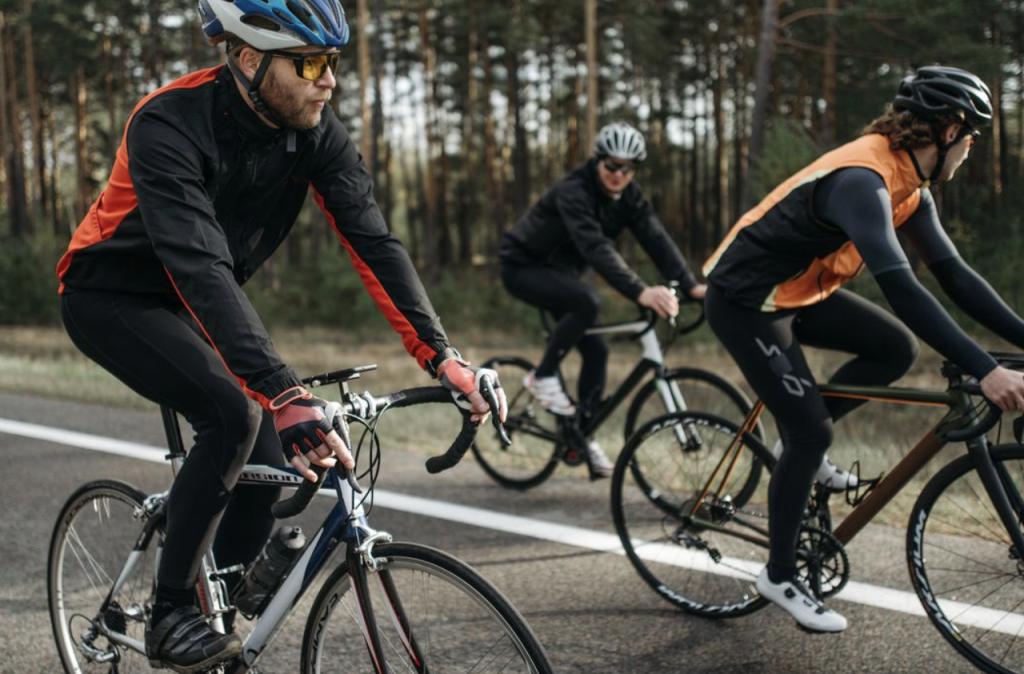
Riding safely means making yourself visible to everyone else sharing the road. A university news report stated that riders should use reflectors and lights to help drivers spot them easily.
The same publication recommended wearing bright or retroreflective clothing during your regular commutes.
You do not need to buy high-end cycling apparel to stay visible. Standard construction vests or bright running shirts work perfectly well for daytime visibility. You can attach cheap clip-on LED lights to your regular backpack or clothing.
Affordable lights are easy to find online or at local hardware shops. Remember to charge your batteries or replace them before they grow too dim. Staying seen is the cheapest form of insurance a cyclist can have.
Cyclists can use reflective tape to increase visibility at night. Stick small pieces of tape onto your bike frame, pedals, and helmet rims. This cheap modification makes a massive difference when car headlights hit your bicycle.
Scouting Secondary Markets For Used Options
The used market is filled with excellent gear at a fraction of retail prices. Many experienced cyclists sell their older items to fund new upgrades. You can find incredible deals on frames, racks, and jerseys if you look patiently.
- Check online classified platforms daily for local listings.
- Visit community garage sales during the spring morning hours.
- Ask local cycling clubs if members have spare parts for sale.
- Inspect used items thoroughly for signs of heavy wear or cracks.
Buying used items keeps quality components out of landfills. It allows you to build a custom setup on a very strict budget. Just verify the fit before handing over your hard-earned cash.
Be prepared to walk away if a deal feels sketchy or unsafe. Check the serial number on the bottom bracket to verify that the bike is legitimate. Taking your time guarantees you get a great deal on a safe ride.
Maintaining Infrastructure To Prevent Costly Repairs
Taking care of your gear extends its lifespan and saves you from bike shop repair bills. Simple cleaning routines prevent dirt from destroying your chain and gears. You can handle most basic maintenance tasks right at home with minimal tools.
- Wipe your chain down with a clean rag after wet rides.
- Check your tire pressure before every single journey.
- Apply a small drop of lubricant to moving joints weekly.
- Keep your brake pads aligned to prevent uneven wear.
Learning these skills builds confidence and deepens your connection to the sport. A well-maintained bicycle runs more smoothly and requires fewer replacement parts over the years. Prevention is always cheaper than buying a whole new drivetrain.
You can find free instructional videos online for almost any repair job. Watch a few tutorials before attempting to adjust your shifting or brakes. Doing it yourself saves money and gives you complete independence as a rider.
Starting your cycling adventure does not require a fortune. By focusing on your true needs and shopping smart, you can build an excellent setup without breaking the bank. Utilize used marketplaces, hunt for discounts, and take care of your equipment to maximize every dollar.
The true joy of riding comes from the wind in your face and the freedom of the open path, not from the price tag on your handlebars. Grab your helmet, check your tire pressure, and enjoy the affordable journey ahead. Your financial health will thank you.
 Email
Email