Are Motor Scooters Required to Be Titled in Florida?
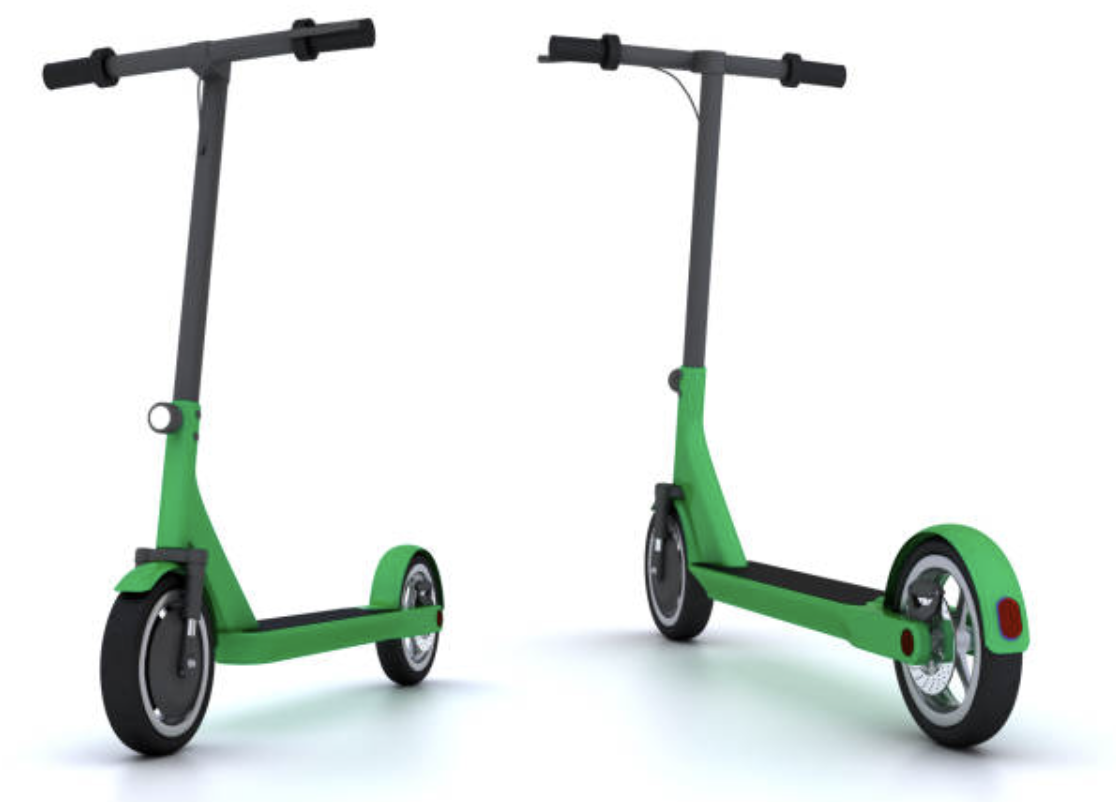
Yes, but it depends on what Florida legally considers the scooter. A standard motor scooter that meets the state’s definition of a motorcycle generally must be titled and registered, while a moped is registered but not titled. Florida law also specifically excludes “motorized scooters” from the definition of a motor vehicle, so the label used by a seller does not always tell you which rules apply.
That distinction matters because Florida looks at the vehicle’s specifications, not simply the word “scooter” in an advertisement or on a sales document. A vehicle called a motor scooter may fall under the rules for a motorcycle or a moped depending on its engine size, speed, and design.
With different types of scooters on the road today, it is easy to assume they all follow the same rules. They do not. Knowing whether yours is classified as a motorcycle, moped, or motorised scooter can save you a frustrating trip to the DMV and help you avoid buying a vehicle you cannot properly register.
Does a Florida Motor Scooter Need a Title?
First, Florida classifies your scooter. Under Florida Statutes § 320.01, the state treats motorcycles as motor vehicles, but it excludes “motorized scooters” and mopeds from that definition. That difference determines whether you need a title, registration, or neither.
For a typical street-legal motor scooter that fits Florida’s motorcycle definition, you generally need both a Florida title and registration. Florida Statutes § 319.20 says the title law applies to vehicles required to be registered, while the statute specifically removes mopeds from the title chapter.
Florida Highway Safety and Motor Vehicles (FLHSMV) follows the same approach. Its title procedures state that motorcycles are titled and registered, while mopeds are registered but not titled. If a manufacturer certificate calls the vehicle a “motor scooter,” officials use the legal definitions of motorcycle and moped to decide how it should be handled.
How Florida Classifies Scooters
The word “scooter” alone does not settle the issue. You need to look at the vehicle’s specifications. Under Florida Statutes § 320.01, a moped has a seat or saddle and pedals that can help propel it, along with a motor of no more than 50cc and a top speed of 30 mph or less on level ground.
A vehicle that does not meet the moped definition may qualify as a motorcycle. That can place it under the normal title and registration rules. A separate category covers motorized scooters. Florida Statutes § 316.2128 says these devices do not have to meet the registration and insurance requirements in § 320.02.
What You Need to Do
If you recently bought a scooter in Florida, check these points before assuming you can ride it:
- Check the engine size, top speed, and design
- Review the Manufacturer’s Certificate of Origin or title paperwork
- Confirm whether the vehicle is a motorcycle, moped, or motorized scooter
- For a motorcycle, complete the title and registration process through FLHSMV or a tax collector’s office
- For a moped, keep your ownership documents and complete the required registration
Florida law requires owners to register motor vehicles used on state roads under § 320.02, unless an exception applies. Mopeds fall under a separate rule in § 320.0803, which requires a moped license plate but does not create a title requirement.
What About Electric Scooters?
Electric scooters create more confusion because many are small, low-speed devices rather than motorcycles. Florida law treats motorized scooters differently from motorcycles and mopeds. Under § 316.2128, a motorized scooter does not need vehicle registration, insurance, or a driver license under the listed motor vehicle rules.
That does not mean every electric two-wheeler counts as a motorized scooter. The specs and legal definition still matter. Local governments can also set rules for where motorized scooters may operate.
Before you buy or ride one, identify its legal class first. That tells you whether Florida requires a title, registration, both, or neither.
Key Takeaways
- A typical Florida motor scooter classified as a motorcycle generally must be titled and registered.
- A moped does not need a title, but it must be registered and display the required plate.
- Florida law defines a moped partly by its 50cc-or-less engine, 30 mph maximum speed, pedals, and saddle or seat.
- A motorized scooter falls under a different legal category and generally does not require vehicle registration or insurance under Florida’s motor vehicle rules.
- The term “motor scooter” does not determine the legal requirements. Florida looks at the vehicle’s actual specifications and classification.
 Email
Email