What to Do After a Drunk Driving Pedestrian Accident
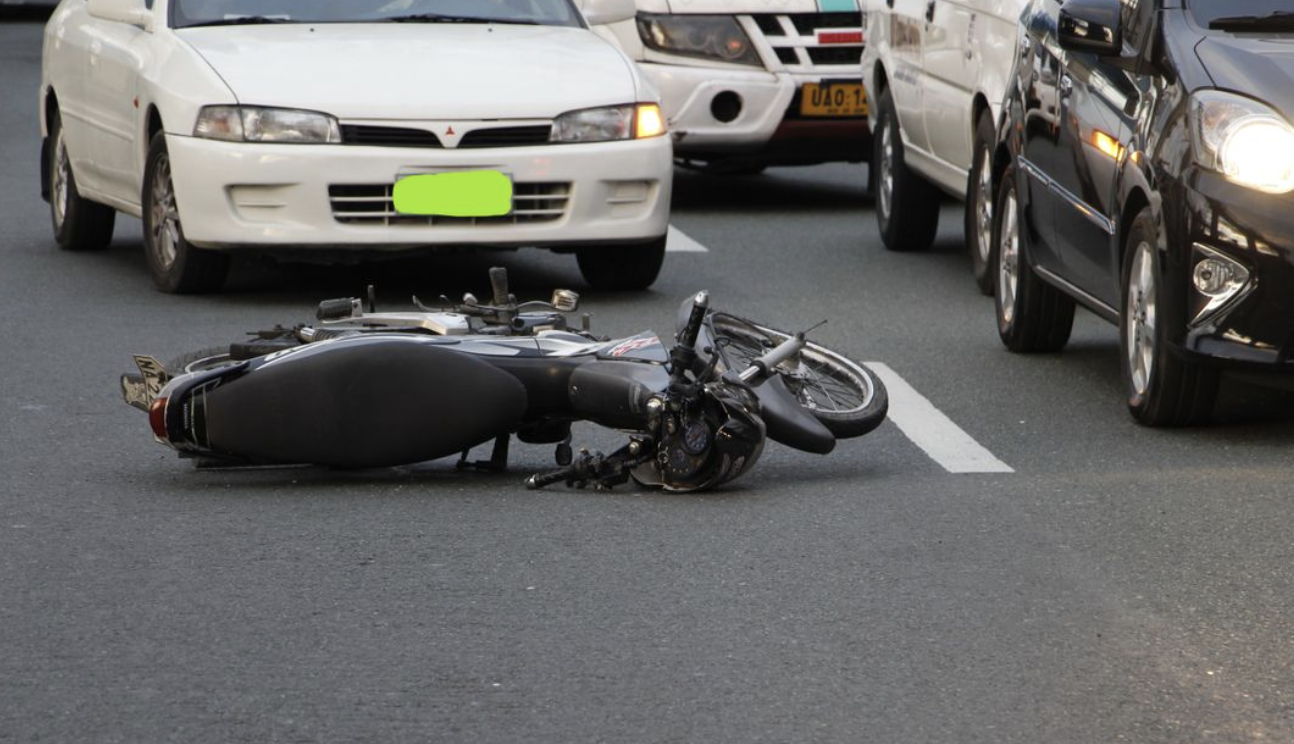
Data from the National Highway Traffic Safety Administration (NHTSA) indicates that 37% of fatal pedestrian crashes in the year 2024 involved alcohol consumption and led to 2,607 lives being lost. In these instances, 22% included pedestrians who were intoxicated, 11% comprised drivers who were under the influence of alcohol, and 5% had a driver and a pedestrian both under the influence.
The tragic fact is that the rate of death among pedestrians is at an historical high, with over 7,000 deaths reported every year. While the numbers dropped slightly from the over 7,500 deaths reported in 2022, it remains one of the highest fatalities since 1981. Pedestrian accidents arising from drunk driving are particularly serious matters as they could result in catastrophic bodily injuries, emotional distress and large economic constraints.
The actions one takes immediately after a collision can influence the likelihood of a person’s rehabilitation and their ability to pursue damages. Attaining prompt medical care, reporting the incident, safeguarding evidence, and understanding one’s legal standpoint are necessary after drunk-driving pedestrian accidents.
Get safe and get medical care first
Your health is the top priority. If you are able, move out of the roadway and into a more secure area away from traffic. Call 911 to have police and paramedics dispatched. Have yourself evaluated by paramedics on the scene.
Adrenaline has a temporary side effect of masking any pain, and that’s the reason why injuries such as concussion, internal bleeding, and soft tissue trauma can easily go unnoticed until later. A quick medical record also builds a clear, dated connection between the crash and your injuries, and that matters if you plan to seek compensation.
Keep going with the treatment you’re given, rather than stopping the second you start to feel better.
Report the crash and let police document it
If the driver has no insurance or flees and their identity is never known, you may still be able to get coverage under your auto policy. Uninsured motorist coverage can be beneficial in this situation. This coverage follows the policyholder, not the vehicle, so it applies even if you were on foot and your car was parked at home. Coverage under a resident family member’s policy is sometimes available too.
The terms for this coverage in most states are clear. One of the regulations requires motorists to notify law enforcement about any such incidents quite promptly, usually within 24 to 72 hours after the accident, and also to notify their own insurance companies. Uninsured motorist coverage is not compulsory in several places, so it is better to confirm whether you have this coverage before concluding that a hit-and-run case will leave you with no remedy at all.
A drunk-driving pedestrian crash is not a matter that should be resolved privately. Officers can do field sobriety checks and chemical testing; they can also look for signs of impairment, and then they make a report that later becomes a big evidence piece.
Impaired drivers have been known to make excuses and try to get away from police officers at the scene, which is why the time of arrival of law enforcement personnel is so important.
Preserve evidence while it is fresh
If it is safe and your injury is not severe, you can continue gathering information at the accident site. Take photographs of the damaged vehicle, its location, the surrounding area regarding alleys, road lamps, any posted traffic signs or signals, skid marks, and the source of light. Any injuries you may have sustained should be photographed too.
Get the driver’s full name, all license details, and insurance details. If possible, collect the contact information of any witnesses that were relevant and willing to give a statement. Failing to do so will mean that you lose helpful information. While recordings of the businesses, traffic, and people might be available, they are typically erased after a few days.
State where you were when you first observed the event and document the exact time it occurred.
Hiring a drunk-driving-accident lawyer can be beneficial during evidence collection. They are trained to take on the in-depth investigation of what caused the accident, conserve files relevant for the case, successfully argue with most insurance companies, and work to get damages for the client’s harm. They also can organize evidence, including the results of breath tests, declarations of other people present, video evidence and medical reports for the submission of the strongest case possible.
Understand who may be responsible
The first point of liability in a pedestrian’s drunk driving case may be clear and obvious, but it is not always the only one. The number of parties who may be held responsible may vary according to the incident and the law of the state.
In some cases, it is possible to pursue punitive damages against a defendant for negligent behavior. Since the criminal charges and civil liability cases are different in nature, it means that the victim does not require the conviction of the accused for filing a lawsuit against him.
While the fault for the accident can be attributed to the drunk driver, it is often the case that he or she is not the only liable party. Most of the states apply the so-called dram shop laws, by which an aggrieved claimant may file a case against a place that served the liquor and then allowed a customer to become visibly intoxicated. In some jurisdictions, liability even extends to private hosts. If the burden of proof is met, the employer can also be held liable if the driver who caused the injury was working at the time. Such statutory standards differ drastically from one state to the other and some of them do have short limitation periods. To address these differences, an individual needs to identify them at the outset.
Watch the deadlines and protect your claim
Every state sets its own filing deadline for personal injury claims. They run from one year to six, with two years the most common, and the clock usually starts on the date of the crash. A wrongful death claim often runs from the date of death instead, which is not always the same date.
Two things shorten that window without warning. Claims against a government defendant, such as a city vehicle or a transit agency, usually require a formal notice of claim within 60 to 180 days, long before the general deadline arrives. Dram shop claims against a bar or server carry their own notice requirements in several states. Working out which deadlines apply is a first-week task, not a later one.
After the accident, a pedestrian who receives immediate legal assistance will more likely be able to secure evidence and adhere to the relevant deadlines. The compensation a victim receives must match the suffering they have experienced.