How to Make a Community Bike Ride Feel More Welcoming
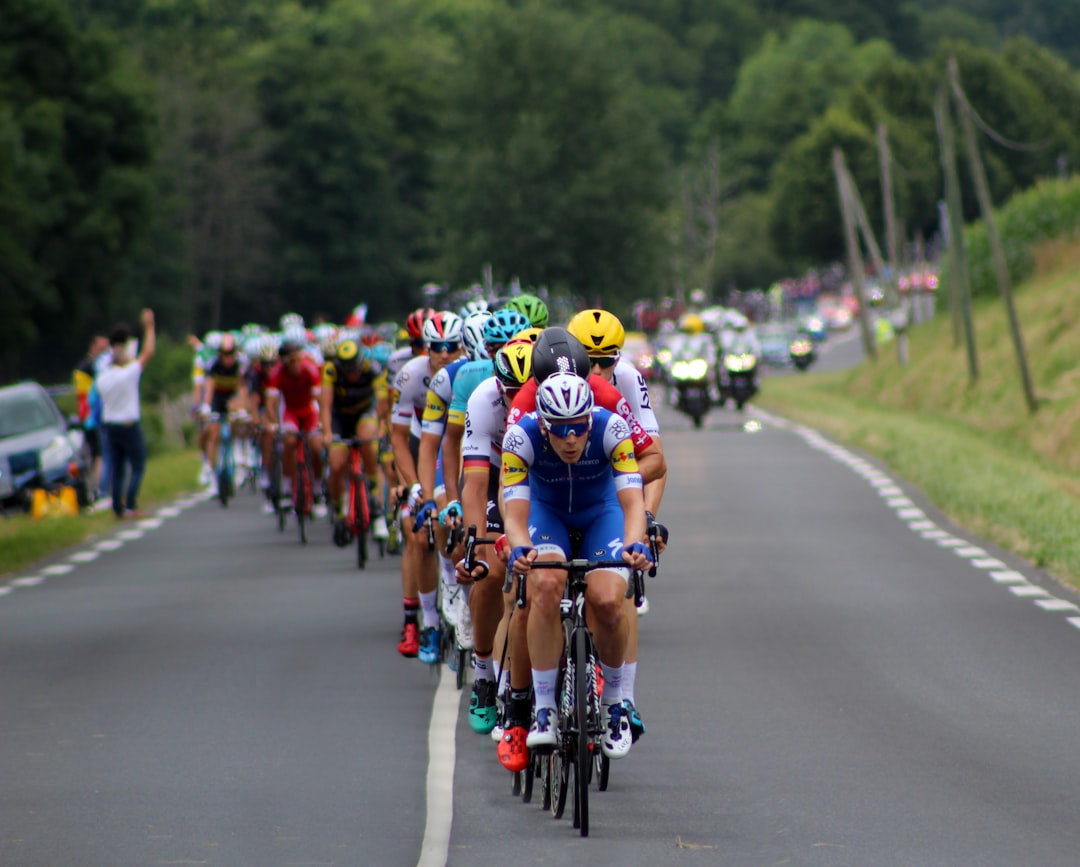
Community bike rides are not just about the miles. They are about the small moments that make people feel comfortable enough to show up, ride at their pace, and come back again.
A welcoming ride can include experienced cyclists, commuters, families, new riders, and people who have not been on a bike in years. The challenge is creating structure without making the ride feel stiff or intimidating.
The good news is that a few thoughtful details can make a big difference. From the route to the volunteers to the way you communicate expectations, a community ride becomes easier to enjoy when riders know what to expect and where to turn for help.
Choose a Route That Matches the Purpose
Every ride needs a clear purpose. A social cruiser ride, a family ride, a beginner skills ride, and a fitness-focused group ride all call for different routes.
For a welcoming community ride, the route should avoid unnecessary stress. That usually means fewer high-speed roads, confusing turns, narrow shoulders, and complicated intersections. A scenic path, quiet neighborhood loop, or protected bike lane route can help riders settle in.
Distance matters, too. A five-mile ride may feel short to regular cyclists, but it can feel like a real accomplishment to someone returning to biking. If you want to include a wider range of riders, consider a loop with an easy exit point or a shorter option.
It also helps to ride the route in advance at the same time of day as the event. Traffic patterns, sun glare, construction, and busy pedestrian areas can change the feel of a route quickly.
Make the Start Area Easy to Understand
The first ten minutes can shape the whole experience. If riders arrive and do not know where to go, who is in charge, or when the group is leaving, they may feel uneasy before the ride begins.
A simple start area works well. Have one obvious check-in spot, a place for people to gather, and a clear area for bikes. If the ride begins near a park, shop, school, or trailhead, choose a landmark and mention it in advance.
Signage does not have to be elaborate. A handwritten board with the ride name, start time, restroom location, and basic reminders can do the job. If volunteers are helping, make sure they are easy to identify.
For casual volunteer gear that people can wear before and after the ride, custom trucker hats can be a simple way to make route marshals, mechanics, and check-in helpers easy to spot without asking everyone to buy matching cycling kit.
Set Expectations Before Wheels Roll
A short pre-ride talk is one of the easiest ways to reduce confusion. Keep it brief, friendly, and practical.
Cover the ride distance, estimated time, regroup points, pace, and any sections that need extra attention. If the ride is no-drop, explain what that means. If riders should bring water, lights, a helmet, or a spare tube, say so before the day of the ride and again at the start.
It is also helpful to explain how the group will handle turns. Some rides use corner marshals, while others pause at major turns until everyone catches up. Newer riders may not know these customs, so a quick explanation can make them feel included.
Avoid assuming that everyone understands group ride etiquette. A calm reminder to ride predictably, pass with space, call out hazards, and avoid sudden stops can prevent problems without sounding strict.
Plan for Different Comfort Levels
Not every rider has the same confidence in traffic, hills, or group settings. A welcoming ride leaves room for that.
One option is to split the group into pace categories if enough volunteers are available. Another is to place an experienced rider at the front and another at the back so nobody feels abandoned.
Regroup points are useful on hills or after long stretches with traffic lights. They give slower riders a chance to reconnect and faster riders a chance to pause without frustration.
If families or newer riders are expected, build in a rest stop. A five-minute pause at a park or shaded area can make the ride feel more relaxed. It also gives people a chance to ask questions, adjust helmets, drink water, or fix a small mechanical issue.
Keep Basic Repairs in Mind
A flat tire can turn a fun ride into a stressful one, especially for someone who has never fixed a flat in public. Having a basic repair plan helps.
At minimum, ask a few volunteers to carry pumps, tire levers, patches, and common tube sizes. A compact multi-tool is useful for minor seat, brake, or handlebar adjustments. For longer rides, a small first-aid kit is worth bringing.
You do not need to run a mobile repair shop. The goal is to handle simple issues or help a rider safely return to the start area. If the ride begins near a local bike shop, consider asking whether they are comfortable being mentioned as a nearby resource.
A pre-ride bike scan can also prevent trouble. Encourage riders to squeeze their brakes, check tire pressure, and confirm that wheels are secure before leaving. This takes less than a minute and catches many common issues.
Make the Ride Social Without Forcing It
Some people join community rides to meet others. Some simply want to ride in a comfortable group. The atmosphere should allow both.
Name tags can help at smaller rides, but they are not always needed. A friendly welcome from organizers is often enough. Introduce first-time riders to someone nearby, or ask returning participants to help newcomers feel included.
After the ride, choose a simple gathering point. This might be a coffee shop, food truck area, park bench, or bike-friendly patio. Post-ride conversation is where many community connections happen.
If photos are part of the ride culture, ask before taking close-up shots of people. Some riders are happy to be included, while others prefer privacy. A quick reminder that photos may be taken gives everyone a chance to speak up.
Communicate Clearly After the Ride
The ride does not end when everyone reaches the finish. A short follow-up message can help turn one-time participants into regulars.
Thank people for coming, share the next ride date if there is one, and ask for feedback. Keep the tone open. Questions like what part of the route felt confusing or what would make the ride easier next time can produce useful responses.
If someone had a mechanical issue, a confusing moment, or a hard time keeping pace, follow up with care. People remember when organizers pay attention.
You can also share a route map, safety reminders, or a short recap. The goal is not to flood people with updates. It is to keep the connection warm and make it easier to join the next ride.
Conclusion
A welcoming community bike ride is built from small decisions. A clear route, visible helpers, simple instructions, regroup points, and a relaxed tone all help riders feel at ease.
The most memorable rides are rarely the most complicated ones. They are the rides where people know where to go, feel supported on the road, and leave thinking they would like to come back.
With a little planning and attention to the rider experience, a community ride can become more than a route on a map. It can become a regular part of local bike culture.