The Unexpected Physics of What Happens When a Rider Hits the Pavement
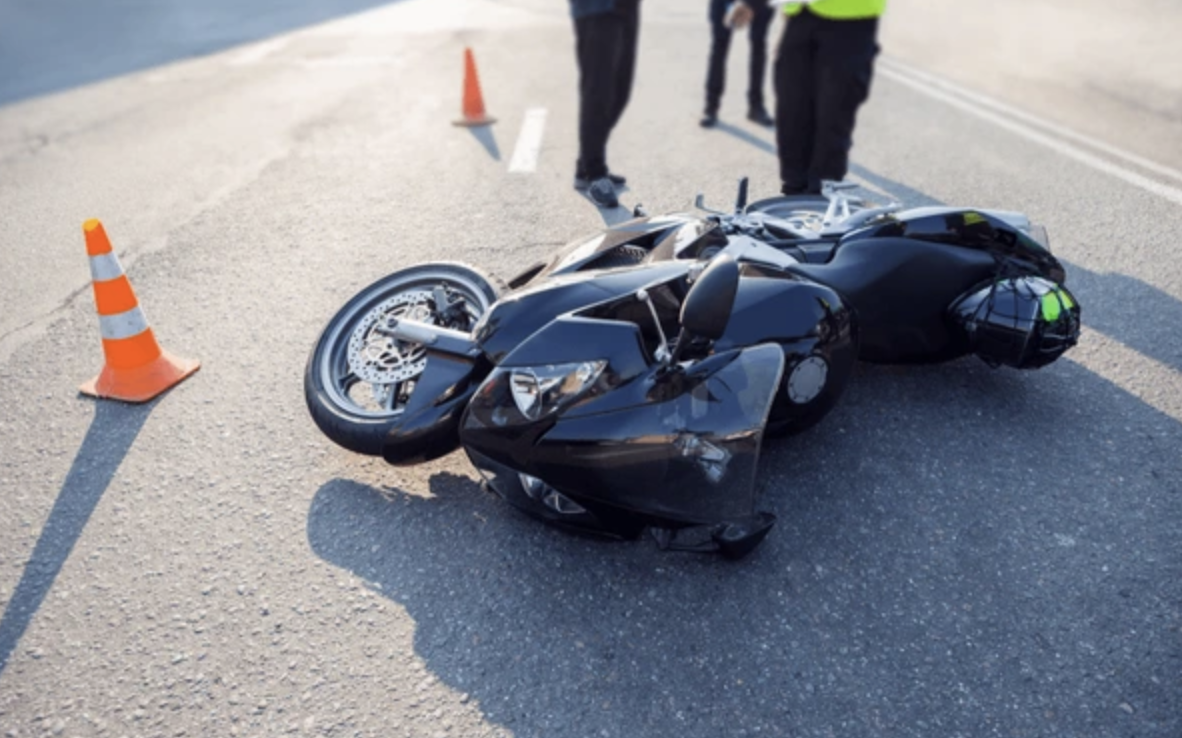
Inside a car, a crash happens around you. Steel frames, crumple zones, airbags, and seatbelts all work together to absorb energy and slow the body down. A motorcyclist has none of that. When something goes wrong, the rider often becomes part of the crash itself.
That difference changes everything. Riders can be thrown from the bike, slide across pavement, or strike vehicles and roadside objects directly. The forces involved don’t get spread out by a protective shell, so the body takes far more of the impact.
Those realities explain why common motorcycle accident injuries tend to be so serious. From road rash to head trauma, the injuries riders face reflect the unique physics of crashing on two wheels with very little standing between the body and the road.
What Happens During the First Moments of a Motorcycle Crash?
Momentum doesn’t stop when a motorcycle does. If the bike hits a car or an obstacle, it may stop abruptly, but the rider keeps moving forward at nearly the same speed. That’s how riders end up launched over handlebars or into other vehicles.
Deceleration happens in a flash. When the rider finally strikes the ground, a vehicle, or a barrier, the body slows down extremely quickly. That sudden stop transfers enormous force into bones, joints, and internal organs. The faster the stop, the greater the strain on the body.
Impact forces vary depending on what the rider hits and how. Striking a car door, a curb, or a guardrail concentrates force in small areas, while sliding may spread it out over time. Each scenario creates its own pattern of injuries.
Why Sliding Across Pavement Can Cause More Than Road Rash
Road rash is one of the most recognizable motorcycle injuries. Friction between skin and pavement can scrape away layers of tissue, much like sandpaper. Minor cases may resemble bad scrapes, while severe cases can expose muscle or bone.
Deep abrasions can lead to infection, scarring, and nerve damage. Gravel and debris can become embedded in wounds, requiring careful cleaning or surgery. Some severe cases may need skin grafts and long-term wound care. Recovery from severe road rash can take months.
Soft-tissue damage often accompanies road rash. Muscles, tendons, and ligaments can be strained or torn during a slide. Protective gear like abrasion-resistant jackets, pants, gloves, and boots can dramatically reduce these injuries by taking the friction instead of the skin.
How the Head, Spine, and Limbs Can Be Injured
Traumatic brain injuries are among the most serious risks. Even with a helmet, a hard impact can cause concussions or more severe brain trauma. Without one, the risk of serious head injury rises dramatically, and NHTSA estimates helmets significantly reduce the risk of death for riders.
Spinal injuries can happen when riders land awkwardly, strike objects, or twist violently during a crash. Fractured vertebrae, herniated discs, and spinal cord damage can lead to chronic pain or paralysis, depending on severity. These injuries often require surgery and long rehabilitation.
Arms and legs are especially vulnerable. Riders instinctively put out their hands to break a fall, which can cause wrist and arm fractures. Legs can be crushed between the bike and another vehicle, leading to complex fractures or severe soft-tissue injuries.
Why Even Lower-Speed Crashes Can Have Serious Consequences
Speed isn’t the only factor that determines injury severity. Collision angles matter a great deal. A low-speed impact with a car turning across a rider’s path can still throw the rider into the vehicle with significant force.
Impact surfaces make a difference too. Striking a curb, signpost, or guardrail can cause serious injuries even at modest speeds. Rider positioning, like whether the body hits head-first or lands on the hip, influences which injuries occur.
Protective equipment plays a major role. Helmets, armored jackets, and sturdy boots can turn a potentially serious injury into a manageable one. Riders without proper gear may suffer severe harm in crashes that seem minor at first glance.
Conclusion
Motorcycle crashes expose the body to forces that car occupants rarely face directly. Momentum, sudden deceleration, and contact with pavement or vehicles create injury patterns that can be severe even in lower-speed collisions. Speed alone rarely tells the full story.
Protection matters when there’s no vehicle around the rider. Helmets, protective clothing, and defensive riding habits can reduce injury risk and severity. New York requires all riders and passengers to wear approved helmets, a rule that reflects how important they are.
After any crash, appropriate medical evaluation is essential. Some injuries, like concussions or internal damage, may not show obvious symptoms right away. Getting checked promptly helps ensure that hidden injuries are found and treated early. Prompt care also creates a clear medical record of what happened.