What Happens if Your Car Accident Involves a Government-Owned Vehicle?
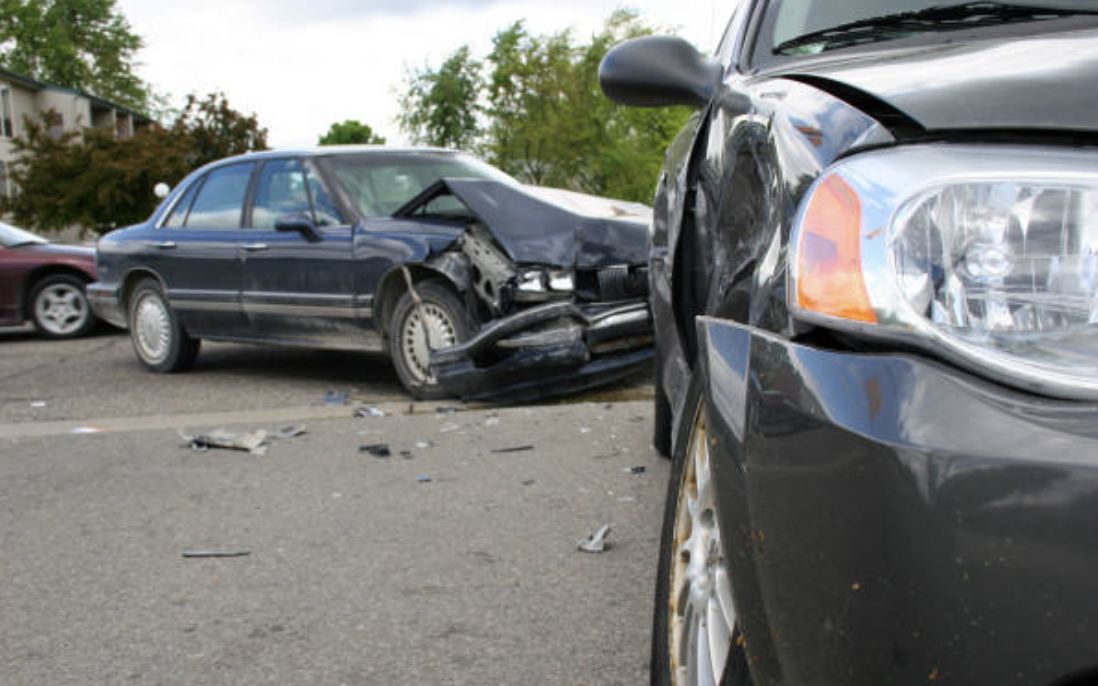
If your car accident involves a government-owned vehicle, you may be able to seek compensation for your injuries, vehicle damage, and other losses, but the claims process can differ significantly from an ordinary car accident claim. Special rules may apply to government agencies, including strict notice requirements, shorter filing deadlines, and limits on when the government can be held liable.
Understanding these requirements early can help protect your right to pursue compensation. Consulting car accident lawyers at The Capital Law Firm can help you understand the applicable procedures and identify the steps needed to support your claim.
Determine Which Government Agency Owns the Vehicle
The first step is identifying the government entity responsible for the vehicle. It could belong to a city department, county office, state agency, public transportation service, or federal organization. The agency involved matters because different laws and procedures may govern claims against each level of government.
Collect the vehicle’s license plate number, identification details, agency markings, and the driver’s name and contact information, if available. Request the responding officer’s report and keep a record of where and when the collision occurred. These details can help establish which agency should receive your claim.
Understand Special Government Claims Procedures
Unlike claims against private drivers, cases involving government-owned vehicles may require an injured person to follow a formal administrative claims process before filing a lawsuit. The deadline can be much shorter than the usual personal injury limitation period, so it is important to investigate the applicable rules promptly.
For example, under the California Government Claims Act, Government Code § 911.2 generally requires claims for personal injury against a public entity to be presented within six months of the claim’s accrual. Different rules may apply to other types of claims, and exceptions or additional procedures can affect an individual case. Missing a required deadline can jeopardize your ability to recover compensation.
Because requirements vary by jurisdiction and government entity, verify the applicable deadline rather than assuming the standard car accident filing period applies.
Gather Evidence to Establish Liability
Evidence is essential when determining whether a government employee or agency contributed to the accident. Take photographs of the vehicles, road conditions, traffic signals, visible injuries, and surrounding area, provided it is safe to do so. Obtain contact information from witnesses and preserve dashcam footage or other available recordings.
Request a copy of the police report and keep all medical records, repair estimates, and receipts for accident-related expenses. If a government vehicle struck your car while performing official duties, relevant evidence may include the driver’s actions, traffic violations, vehicle maintenance records, and the circumstances of the employee’s work.
Avoid assuming that government ownership automatically makes the agency responsible. Liability depends on the facts, applicable law, and available evidence.
Calculate Your Accident-Related Losses
A collision involving a government vehicle can result in medical bills, lost wages, rehabilitation expenses, vehicle repairs, and other financial difficulties. Keep organized records of every expense associated with the accident. Save pay stubs and employer statements if your injuries prevent you from working.
You should also document ongoing treatment and any anticipated future medical expenses. Detailed records can help demonstrate the financial impact of the collision and support the amount of compensation you request.
Be Careful When Communicating With Insurers
Report the accident to your insurer according to your policy requirements. Provide accurate information, retain copies of correspondence, and avoid speculating about fault or signing settlement documents before understanding their implications.
Government agencies may investigate claims carefully, and the process can involve additional paperwork. Seeking legal guidance early can help you understand the required forms, applicable deadlines, and evidence needed to present your claim.
Key Takeaways
- Identify the government agency that owns or operates the vehicle.
- Obtain the police report, photographs, witness details, and other relevant evidence.
- Check government-specific notice requirements and filing deadlines immediately.
- Keep records of medical expenses, lost income, and vehicle damage.
- Do not assume government ownership automatically establishes liability.
- Consider legal guidance to navigate the claims process and protect your rights.