The Piece of Gear You Never Think to Check Before a Ride
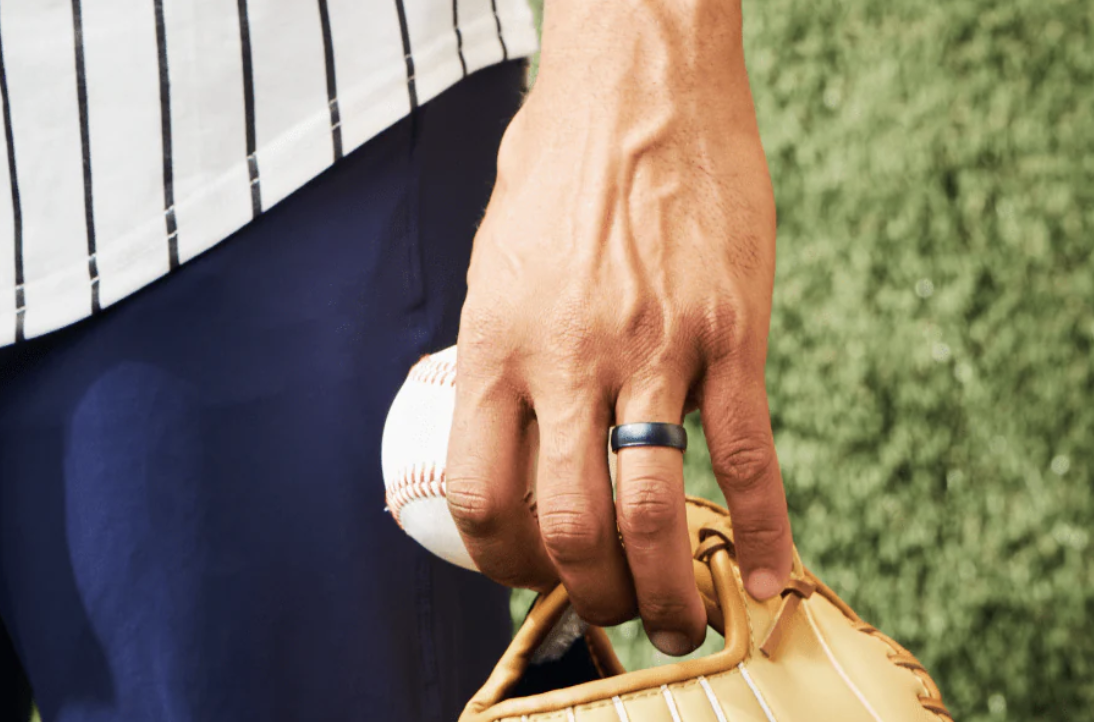
Most cyclists run through a pre-ride checklist without even thinking about it. Tire pressure. Brakes. Chain. But almost nobody adds “check your wedding ring” to that list. Why would you? It’s just a ring. Except your hands are doing a ton of work on a bike — gripping bars, braking, shifting, catching yourself when things go sideways — and a solid metal band along for that ride is riskier than most people realize.
The Injury You’ve Probably Never Heard: Ring Avulsion
If your ring were to get snagged on something like your brake lever, a fence post, or even your bike rack, you’re at risk for ring avulsion.
If your ring gets snagged, the ring essentially comes to an abrupt stop while the rest of your finger and hand keep moving. This can cause injuries ranging from mild to severe. Most ring avulsion cases land on the mild end with swelling or bruising. But the worst ring avulsion cases involve more significant injury and, in rare cases, loss of the finger. Although it’s not common, cyclists, along with climbers and anyone who works with their hands a lot, sit higher on the risk list than most people, simply because of how much grabbing and bracing the sport involves.
Why a Metal Wedding Band Doesn’t Do You Any Favors
A wedding band, or a solid metal ring, is built to last forever. That’s a great quality for a ring and a representation of a lifelong commitment. But it’s not such a great quality when you need your hand to slip free of something fast. There’s no give, no release mechanism, nothing. Compare that to the rest of your bike: quick-releases and clipless pedals that release with a twist of the heel. Even your helmet strap pops open with one hand. A traditional ring has none of that built in. If it catches, your hand is the only part of the setup that can move.
The Realistic Possibilities of a Ring-Related Injury
Ask around, and you won’t hear many dramatic crash stories attached to this one. It’s more often someone reaching up to grab their bike off a hitch rack and catching a ring on the frame. Or a wrench slipping while they’re working on a derailleur. Someone grabbing a fence post to keep from going down harder mid-ride. Loading and unloading gear off the car. The number of risks, and even just discomfort of a rigid metal wedding band, creates a pretty good case for adding a new piece of gear to your list: a silicone ring.
What a Lot of Riders Have Switched To
More cyclists have started keeping a second wedding ring around specifically for riding — usually a silicone one. They leave the real one at home in a drawer somewhere safe. It’s a small swap, but it covers a lot of ground:
- Silicone rings flex and can even break under enough duress, rather than holding firm the way solid metal does, which matters for your safety if it ever gets snagged.
- It’s waterproof and holds up fine to sweat, rain, or mud — no polishing or cleaning required.
- Both women’s and men’s silicone rings have a lower price point compared to traditional wedding rings, so there’s less concern about losing or damaging your silicone ring.
Silicone Ring Sizing
Sizing turns out to be less of a guessing game than people expect. Silicone rings generally match standard ring sizes, so if you already know what you wear in metal, you can order the same size in silicone. If you land between two sizes, going down usually fits better than going up — silicone has more give than a solid band, so a snugger fit stretches to feel right rather than a loose one sliding around. Most silicone ring sites, Enso included, walk you through sizing on the product page before you check out, so you’re not ordering blind.
A Silicone Ring is Worth Adding to the List
You already run through a checklist before you roll out, so it’s worth adding this easy one. If your ride involves any real chance of your hands catching on something, it’s worth thinking about what’s on your finger before you think about what’s under your tires.
 Email
Email