How to Choose the Right Bike Helmet for a Child with Microtia
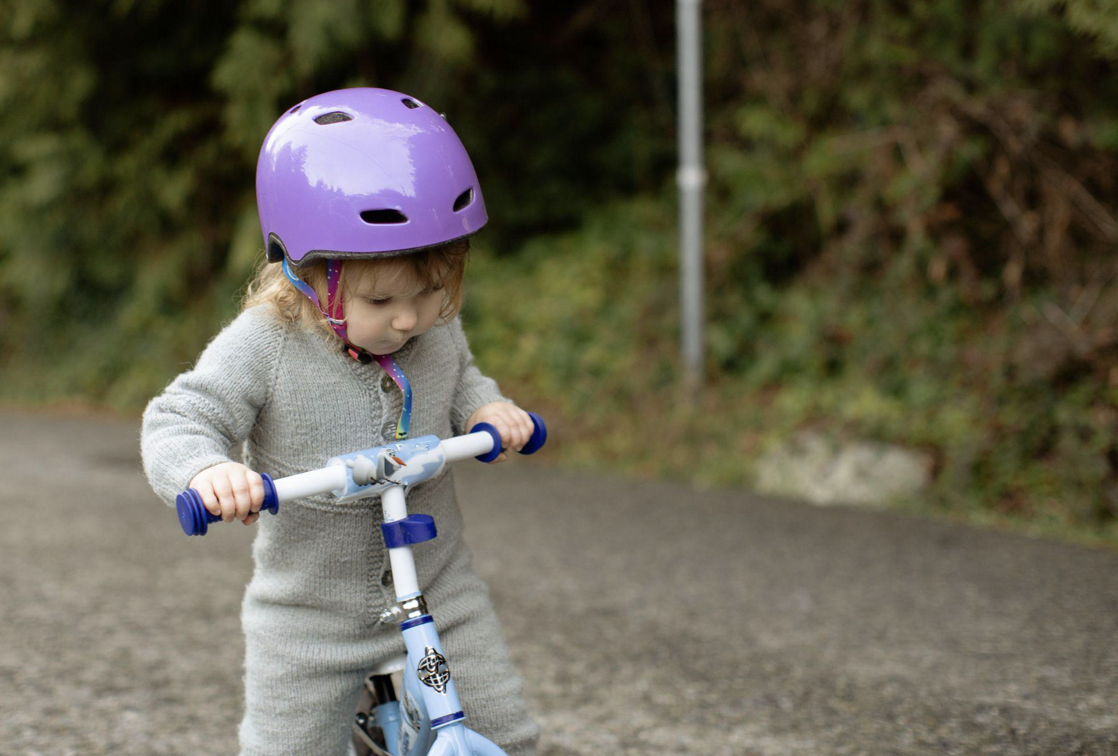
A bike helmet is essential for every young rider, whether they use a balance bike, cycle around the neighborhood, or join family rides. For a child with microtia, choosing one requires extra attention to comfort, fit, strap position, and stability. Standard helmets are designed around typical ear anatomy, so not every model will feel equally comfortable. What should we look for? These practical factors can help us compare options safely.
1. Best Starting Point: Measure Head Circumference
Key feature: Accurate sizing
Measure around the widest part of the child’s head, approximately 2 centimeters above the eyebrows, keeping the tape level. Take the measurement two or three times, then compare it with the manufacturer’s sizing chart.
Ideally, the measurement should sit comfortably within the helmet’s adjustment range. A helmet at its maximum setting leaves little growing room, while an oversized model may shift during riding.
Pros: Quick and useful for narrowing choices.
Cons: Circumference alone cannot guarantee comfort.
Overall assessment: Measure first, but always test the actual fit.
2. Best for Comfort: Choose an Adjustable Retention System
Key feature: Rear adjustment dial
A rear dial allows us to fine-tune the fit without relying on excessively tight straps. Start with the system loosened, position the helmet level, and gradually tighten it until secure.
Ask your child about pressure points. A helmet that feels fine for 30 seconds may become uncomfortable halfway through a ride.
Pros: Improves comfort, stability, and adjustability.
Cons: Cannot correct a poorly shaped helmet shell.
Overall assessment: Look for smooth adjustment without painful pressure.
3. Best Strap Design: Check Around the Ears
Key feature: Adjustable side straps
Most helmet straps form a “Y” around each ear. With microtia, ear shape and position may differ, affecting how naturally those straps sit.
Check that straps lie flat without rubbing or pressing sensitive areas. Never cut, remove, or structurally modify helmet components. If the straps cannot be positioned comfortably according to manufacturer instructions, try another model.
Pros: Flexible straps can accommodate individual anatomy.
Cons: Fixed strap systems offer less adjustment.
Overall assessment: Strap positioning deserves as much attention as helmet size.
4. Best Stability Test: Check Helmet Position
Key feature: Secure, level fit
The helmet should sit level rather than tilted backward, with the front generally one or two finger widths above the eyebrows, depending on manufacturer guidance.
Ask your child to gently shake their head. Does the helmet slide around? It should remain relatively stable without requiring uncomfortable strap tension.
Pros: A stable fit improves comfort and security.
Cons: Excessive movement may indicate the wrong size or shape.
Overall assessment: If careful adjustments cannot stop movement, choose another helmet.
5. Best Security Feature: Adjust the Chin Strap
Key feature: Secure buckle
The chin strap should be snug without causing discomfort. Generally, one or two fingers should fit between the strap and chin, although manufacturer instructions take priority.
Ask your child to look up, down, and sideways. Watch whether movement pushes the straps against sensitive areas.
Pros: Helps keep the helmet positioned correctly.
Cons: Poor adjustment can cause rubbing or pinching.
Overall assessment: The strap should feel secure without becoming a distraction.
6. Best Individual Fit: Consider Treatment and Hearing Devices
Some children with microtia have undergone reconstruction or use hearing devices or prostheses. These factors can affect helmet fit.
Information about microtia surgery can help families understand reconstructive considerations involving the ear area. After surgery, follow the treating medical team’s advice about helmet use and pressure.
Never add homemade padding or cut helmet material without appropriate professional and manufacturer guidance.
Pros: Individual assessment improves comfort.
Cons: Finding the right model may take longer.
Overall assessment: Personal anatomy should take priority over brand or appearance.
7. Best Shopping Strategy: Try Several Models
Helmet interiors, padding, retention systems, buckles, and strap positions vary considerably. Trying multiple models lets us compare real-world comfort instead of relying only on measurements.
Let your child wear each option for several minutes and move their head naturally. Pressure points are not always noticeable immediately.
Pros: Makes comfort problems easier to identify.
Cons: Takes more time than ordering by size alone.
Overall assessment: A little extra testing can make a big difference.
8. Best Safety Priority: Check Certification
Choose a helmet that meets applicable bicycle helmet safety standards in your country or region. Check the packaging or interior label for the appropriate certification.
Avoid used helmets with unknown histories because previous impacts may not leave obvious external damage.
Pros: Confirms compliance with applicable safety requirements.
Cons: Certification does not guarantee proper individual fit.
Overall assessment: Certification is essential; comfort and fit come next.
9. Best for Everyday Use: Let Your Child Choose
Once we identify several safe, comfortable options, let your child select a favorite color or design. Why does appearance matter? A helmet children genuinely like may be easier to incorporate into their regular riding routine.
Pros: Encourages ownership and regular use.
Cons: The coolest helmet is not necessarily the best fitting.
Overall assessment: Safety first, style second, but style can still help.
10. Best Long-Term Value: Recheck the Fit
Children grow, straps loosen, and padding wears. Regularly check helmet position, adjustment systems, straps, and overall condition. For children with microtia, also watch for pressure or irritation near the ear area.
Follow manufacturer guidance for replacement, particularly after significant impacts.
Pros: Helps maintain a secure, comfortable fit.
Cons: Every helmet eventually needs replacement.
Overall assessment: Regular checks support both safety and long-term value.
Finding the Best Bike Helmet for a Child with Microtia
The right helmet combines certified safety, correct sizing, comfortable straps, stable positioning, and practical adjustability. For a child with microtia, trying several models is often worthwhile because small differences in shell shape and strap geometry can significantly affect comfort.
When surgery, prostheses, or hearing devices are involved, professional guidance may also be appropriate. Above all, choose a helmet your child can wear comfortably and consistently, check the fit regularly, and replace it when necessary. The best option is ultimately one that provides an appropriate fit, reliable protection, and enough comfort for real-world riding.
 Email
Email