How Indianapolis Cyclists Can Protect Their Rights After a Crash
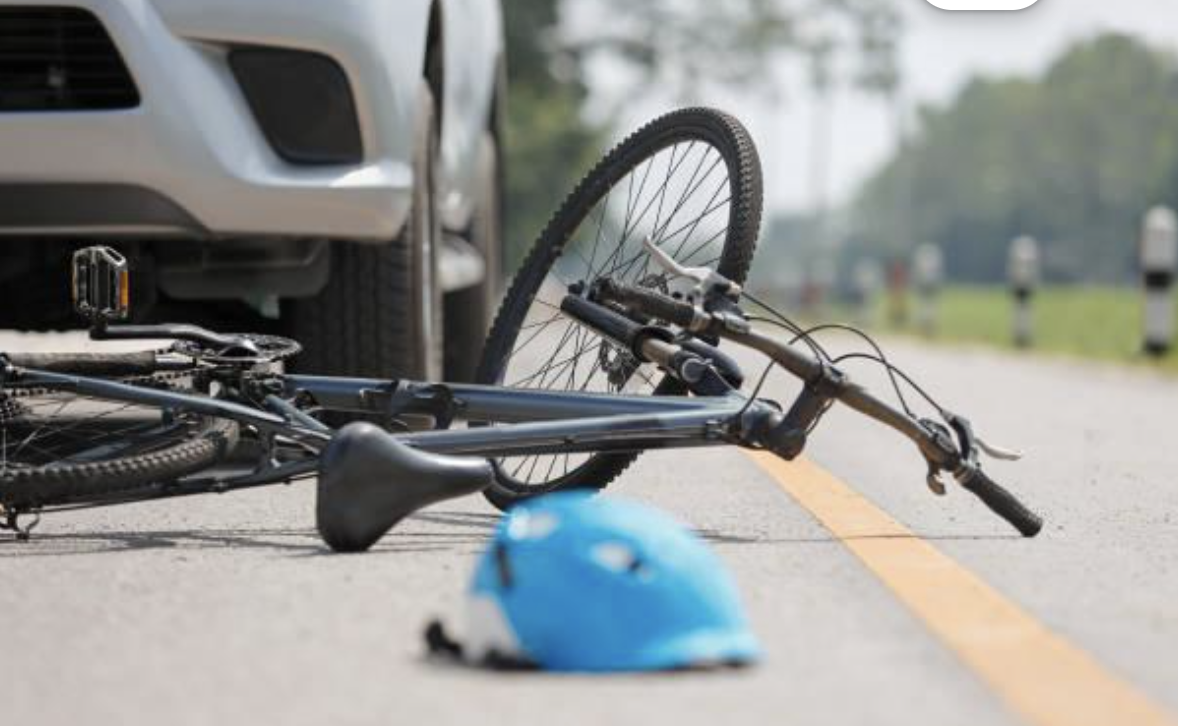
Riding a bike in Indianapolis can be a great way to get to work, stay active, and enjoy the city. But when a car and a bicycle collide, the rider almost always takes the worst of it. A cyclist has no seat belt, no airbag, and no steel frame around them, so even a crash at a low speed can lead to broken bones, head injuries, and weeks away from work.
The steps you take after a crash can shape both your recovery and any claim you bring later. Talking with experienced Indianapolis bicycle accident attorneys early can help you understand your rights, deal with insurance companies, and protect evidence before it is lost. This guide explains what injured riders should know and how to protect themselves in the days and weeks after a collision.
Why Bicycle Crashes Often Cause Serious Injuries
A driver sitting inside a car is surrounded by safety features built to absorb the force of a crash. A cyclist has a helmet at best. When a car hits a bike, the rider is often thrown onto the hood, the pavement, or into another object. Common injuries include broken wrists and collarbones, knee and hip damage, road rash, spinal injuries, and traumatic brain injuries. Federal crash data shows that 1,103 cyclists died in traffic crashes across the country in 2024, and the large majority of cyclist deaths happen in cities rather than rural areas.
Some of these injuries do not show their full effect right away. A rider might feel sore but able to walk after the crash, only to find days later that headaches, memory problems, or joint pain are getting worse. That is why you should never judge a crash by how you feel in the first few hours.
Bicycling in Indianapolis Comes With Real Risks
Indianapolis has worked hard to become a more bike-friendly city. The Indianapolis Cultural Trail loops about eight miles through downtown and connects to the Monon Trail, which carries riders north toward Broad Ripple. More people now use these routes to commute, run errands, and ride for fun. Still, many riders have to share busy streets with cars, buses, and delivery trucks. Roads such as Keystone Avenue and Meridian Street carry heavy traffic, and the spots where the Monon Trail crosses busy north side streets can be risky when drivers are not watching for cyclists. More riders on the road means more chances for a careless driver to cause harm.
Get Medical Care Right Away
Your health comes first. Call 911 if anyone is hurt, and accept medical help at the scene if you need it. Even if you feel fine, see a doctor as soon as you can. A medical exam can find injuries you did not notice, and it creates a record that links your injuries to the crash.
Follow your doctor’s advice and keep every appointment. Insurance companies often look for gaps in treatment and use them to argue that an injury was not serious or was caused by something else. Keeping up with your care helps your body heal and helps keep your claim strong.
Document the Scene and Save Evidence
If you are able, take photos of your bike, the car, the road, traffic signals, and your injuries. Get the names and phone numbers of anyone who saw the crash, and make sure a police report is filed. Write down what you remember as soon as possible, including the time, the weather, and anything the driver said.
Evidence can disappear quickly. Nearby businesses may record over security video within days or weeks, and witnesses can be hard to find later. Keep your damaged bike, helmet, and clothing as they are, since they can show how hard the impact was. Save receipts for medical bills, repairs, and any other costs tied to the crash.
Understand How Fault Works in Indiana
Indiana uses a modified comparative fault system. This means a judge or jury can split fault between the people involved in a crash. If an injured rider is found partly at fault, their compensation can be reduced by their share of the blame. If the rider is found more than 50 percent at fault, they cannot recover damages at all.
Insurance adjusters know this rule well. They may argue that a cyclist was riding too fast, was hard to see, or did not follow a traffic law, all in an effort to lower or deny a payment. Clear evidence about what happened is the best way to push back against these arguments.
Be Careful With Insurance Companies
Soon after a crash, you may get a call from the driver’s insurance company. The adjuster may sound friendly and ask for a recorded statement. Keep in mind that the adjuster’s job is to protect the insurance company, not you. Something you say while you are in pain or still shaken up could later be used to question your account of the crash.
You should also think twice before accepting a quick settlement offer. Early offers often come before you know the full cost of your injuries, including future treatment, time off work, and long-term limits on what you can do. Once you accept a settlement, you usually cannot ask for more money later, even if your condition gets worse.
Know the Deadline to File a Claim
Indiana generally gives injured people two years from the date of a crash to file a personal injury lawsuit. That may sound like plenty of time, but building a strong case takes work. Gathering medical records, finding witnesses, and figuring out which insurance policies apply can take months. Waiting too long can make it harder to prove what happened or can cause you to lose the right to file altogether. Claims involving a government vehicle or a poorly maintained public road may come with much shorter notice deadlines, so it helps to act early.
Ride Safely to Lower Your Risk
No rider can control what a driver does, but some habits can help lower the chance of a crash. Wearing a properly fitted helmet, using front and rear lights at night, wearing bright clothing, and riding with the flow of traffic all make you easier to see. The National Highway Traffic Safety Administration’s bicycle safety guidance gives practical tips for both riders and drivers on sharing the road safely.
Drivers have a duty to watch for cyclists too. That means checking mirrors and blind spots before turning, giving riders enough space when passing, and never driving while distracted or impaired. When drivers ignore these basic duties and someone gets hurt, the law allows the injured rider to seek compensation for medical bills, lost wages, and pain and suffering.
Moving Forward After a Bicycle Crash
A bicycle crash can leave you facing medical bills, missed paychecks, and a lot of stress. Taking care of your health, saving evidence, being careful with insurance companies, and acting before deadlines pass can all help protect your recovery. Every crash is different, so getting advice that fits your situation can help you make clear choices about what comes next. For riders in Indianapolis, knowing your rights is the first step toward getting back on your feet and, when you are ready, back on your bike.
 Email