How to Build Knee Strength with Indoor Cycles
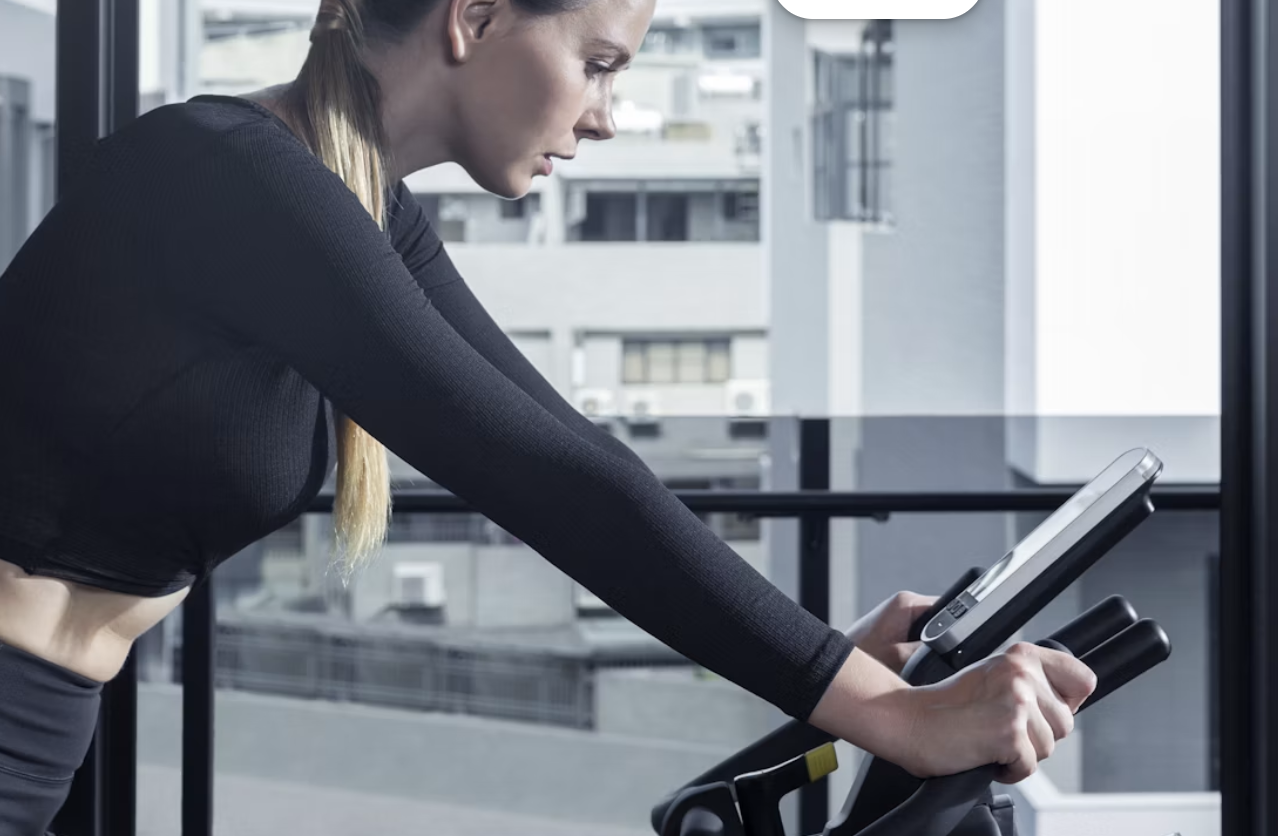
Indoor cycling offers an excellent way to protect your joints and build lower-body power. Many riders turn to stationary bikes to recover from injuries or protect vulnerable cartilage. Setting up your training space correctly protects your patella from unnecessary strain. You can build significant leg strength without leaving your living room.
Set up Secrets for Joint Protection
A proper indoor cycling setup prevents knee strain and keeps joints tracking cleanly. Correct adjustments minimize stress on your ligaments. A proper setup keeps your lower body tracking smoothly.
Small adjustments to your saddle height change your leg mechanics completely. Low seat positions increase patellofemoral pressure during the top of the pedal stroke. High seat positions strain your hamstrings and overextend the tendons behind the knee joint.
Check fore-aft saddle position relative to the pedals. Your front kneecap should align directly over the pedal axle when the crank arm is horizontal. This alignment reduces shear forces on your patellar tendon during heavy efforts.
Managing Chronic Knee Pain
Regular training sessions manage symptoms of long-term joint wear. A major review of 217 trials shows that aerobic exercise is the most effective option for managing knee osteoarthritis. Aerobic cycling keeps fluid moving through the joint space.
Clinical evidence supports regular pedaling for improving daily physical performance. Clinical insights shared by Dr Jonathan Negus emphasize that building strength and mobility before surgery may contribute to improved post-operative recovery outcomes. As a result, many patients use stationary bikes as part of both prehabilitation and rehabilitation programs to build joint resilience before and after surgical procedures.
The findings demonstrated that exercise was effective at improving pain, function, gait performance, and quality of life in individuals with knee osteoarthritis. Consistent motion supports long-term recovery. Regular sessions reinforce joint capsules against future strain.
Many individuals experience reduced stiffness after just 2 weeks of regular spinning. Low-intensity sessions act as a natural decompression therapy for compressed leg joints. Moving your legs under light loads keeps your tissues pliable and healthy.
Controlled Range of Motion
Stationary bikes keep your legs moving through a fixed, predictable path. The repetitive motion of pedalling stretches and flexes the joint in a controlled way, gradually increasing mobility without overdoing it. This gentle movement pattern lubricates the joint capsule safely.
Achieving the perfect extension requires measuring your leg position at the bottom of the stroke. Ideally, there should be a slight bend of the knee at the bottom of each pedal rotation, forming around a 20- to 30-degree angle at the ankle. This specific angle minimizes friction within the joint structure.
Fixed paths eliminate sudden lateral twists found on outdoor trails. Connective tissues adapt faster when the movement plane remains stable. This stability allows your body to rebuild resilience.
Low Impact Cardio Advantages
Running shocks your joints with heavy impact forces on hard pavement. Stationary biking is a safe, non-weight-bearing form of exercise that is well-suited to this population. You get a great cardiovascular workout without pounding your articular cartilage.
Building up the tissue around your joints prevents common injuries. A low-impact exercise like cycling can help strengthen the muscles around the knee, which can protect your joints. This protection makes indoor trainers perfect tools for long-term health.
Your body requires regular movement to transport nutrients into joint spaces. Smooth spinning stimulates fluid production without causing micro-tears in damaged ligaments. You can maintain high fitness levels without worsening existing joint degradation.
Fighting Joint Discomfort
Consistent pedaling changes how your legs handle daily movement stresses. Stationary biking can increase the mobility and strength of your knees and legs. These gains show up when walking up stairs or lifting heavy objects.
Regular riders experience fewer long-term joint issues than sedentary individuals. Cyclists were 17 percent less likely to experience frequent knee pain, 9 percent less likely to develop radiographic arthritis, and 21 percent less likely to suffer from symptomatic arthritis compared to non-cyclists. The numbers show clear benefits for active individuals.
Here are 3 quick checks for your setup:
- Saddle alignment is parallel to the floor.
- Handlebar height should be at a comfortable reach.
- Cleat positioning is flat under the ball of your foot.
Proper alignment distributes your body weight evenly. This balance protects your lower back and hips from compensating for poor leg tracking.
Resistance Levels and Muscle Balance
Using the right tension prevents muscle imbalances in your quadriceps and hamstrings. Heavy resistance strains the patellar tendon if your legs lack proper conditioning. Light resistance with high speed builds endurance without overloading your ligaments.
Balancing your muscle groups stabilizes the kneecap during heavy efforts. Weak hamstrings pull the joint out of alignment during the upward pull of the pedal stroke. Balanced tension develops equal strength across your entire lower body.
Focus on engaging your glutes during the downward phase of the stroke. Your gluteal muscles take pressure off your thigh muscles during intense workouts. This distribution reduces the strain placed on your kneecaps.
Cadence Hacks for Cyclists
Maintaining a smooth spin protects your joints from sudden torque spikes. High RPM numbers shift the physical workload from your joints to your cardiovascular system. Low RPM numbers force your muscles to grind through heavy resistance.
Focus on these 3 technique goals during your ride:
- Keep your RPM between 80 and 90.
- Push smoothly through the bottom of the stroke.
- Pull up gently using your hamstrings.
Smooth pedaling requires a stable core to prevent your hips from rocking. Rocking side to side forces your knees to track outward, creating painful friction. Keeping your torso still keeps your leg alignment straight.
Indoor trainers allow accurate tracking of your cadence metrics. Adjust resistance to maintain your target RPM.
Weekly Routines for Progress
Building strength requires a structured approach to weekly indoor riding sessions. Start with 3 short rides lasting 20 minutes each week to let tendons adapt. Increase your duration by 5 minutes each week as comfort improves.
Track your discomfort levels during and after your workouts to avoid overtraining. Slight muscle soreness is normal after a tough session on the trainer. Sharp joint pain means you need to adjust your bike setup or reduce your resistance.
Allow 48 hours of recovery between heavy resistance sessions to let tissues rebuild. Your body synthesizes new collagen during periods of complete rest. Patience with your training volume yields the best long-term outcomes.
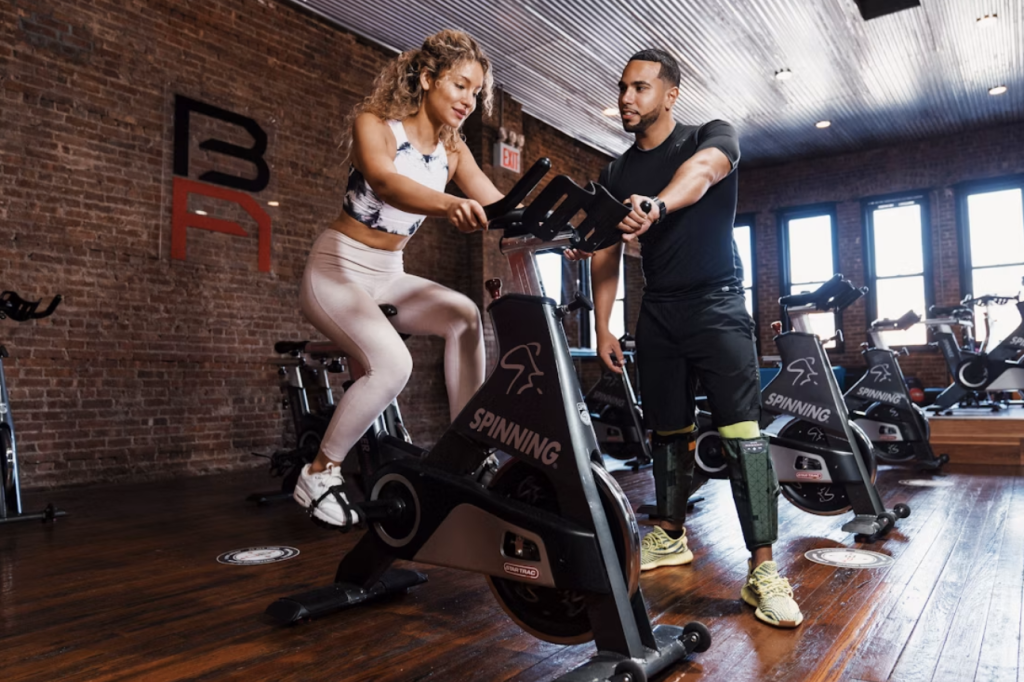
Indoor cycling transforms how your joints move and feel during daily activities. Consistent pedaling builds the supporting muscles needed to protect your lower body from injury. Adjust your saddle height, monitor your cadence, and enjoy the smooth ride toward stronger knees.
 Email
Email