Cycling Mistakes That Increase the Risk of Injuries
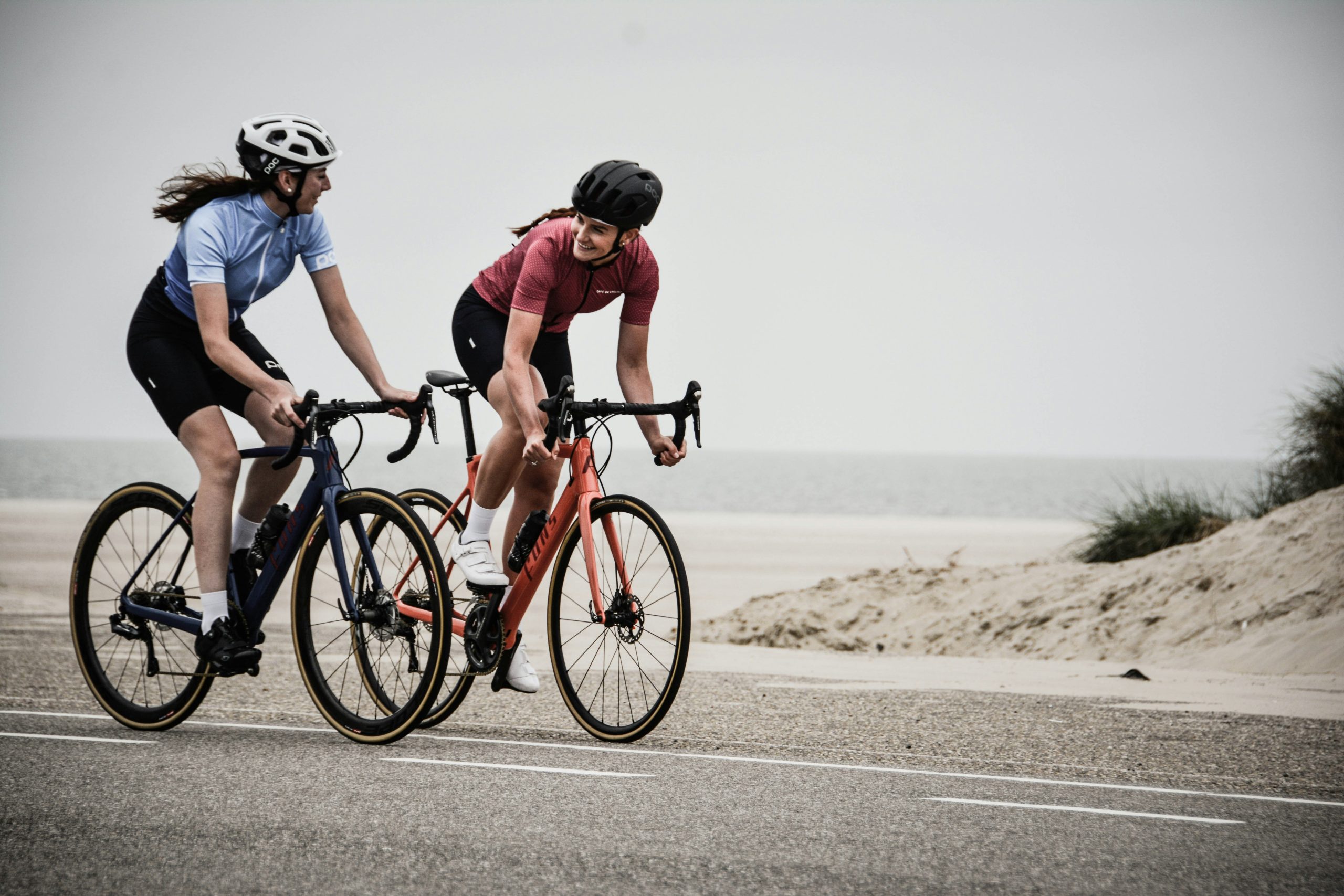
Cycling is becoming increasingly popular with young people in the U.S. According to PeopleForBikes, youth participation in bicycling among ages 3 to 17 rose from 49% to 56%. That’s an encouraging sign of a new generation of lifelong riders. But with 53% of riders worried about being hit by a car, it’s time to make biking safer and more comfortable.
Cycling is a popular way to stay active, commute, and enjoy the outdoors while maintaining a healthy lifestyle. However, even experienced cyclists can make mistakes that increase their chances of accidents and physical injuries. Sometimes, seemingly minor oversights can also affect a cyclist’s balance, control, and ability to respond to unexpected situations.
Developing safer riding habits starts with recognizing the common mistakes and understanding their potential consequences. Whether cyclists ride daily or occasionally for recreation, awareness can make a big difference. This article discusses cycling mistakes that can lead to injuries.
Neglecting Pre-Ride Bike Inspections
Skipping a quick bike check before heading out can put cyclists at risk, even if everything looks fine at first glance. Before heading out, riders should check essential components to make sure everything works properly. A quick inspection can reveal several mechanical issues that may compromise a cyclist’s safety if left unaddressed.
An article from Triathlete states that keeping a bike in good shape helps it go fast and safely. A pre-ride check is simple and quick. Nathan Riddle, an instructor at the United Bicycle Institute, says, “Proper inflation is key to extracting the best rolling efficiency and speed from your bike. It’s also key to creating traction and control.”
Worn brake pads can reduce stopping power, while underinflated tires may affect balance and handling. Loose handlebars can make steering difficult, and a damaged or poorly maintained chain may slip or break during a ride.
These problems might seem minor at first, but they can lead to sudden mechanical failures and unexpected accidents. The danger grows when cyclists ride fast or navigate busy roads, where there’s little time to react. A few minutes of inspection can prevent these avoidable situations.
Overlooking Traffic Rules and Road Awareness
Traffic rules matter for cyclists as much as they do for other road users. Failing to follow traffic signals, signs, or lane markings creates hazards and raises the crash risk. Riding against traffic or ignoring stop signs may leave cyclists with little time to react to approaching vehicles. Similarly, making sudden or unpredictable turns can confuse nearby drivers and other riders.
According to the New York Governor’s Traffic Safety Committee, bicyclists and inline skaters must follow all traffic signals, signs, and pavement markings. Traveling in the same direction as traffic enables motorists to see them and anticipate their movements. It also keeps them from disrupting traffic or getting in pedestrians’ way.
Staying aware of surroundings can help prevent accidents. Cyclists should use hand signals before turning or changing lanes so others can anticipate their movements. Maintaining a safe distance from vehicles, watching for pedestrians, and staying alert around parked cars can keep unexpected collisions at bay.
Riding Without Sufficient Focus and Awareness
Staying focused while cycling is key to avoiding accidents and unexpected injuries. Distractions, tiredness, rushing, and lapses in concentration can slow cyclists’ reactions to changing road conditions. If their attention wanders, they may not notice potholes, uneven pavement, nearby vehicles, or sudden obstacles ahead. Even a brief lapse in attention can affect their balance and ability to control the bicycle.
Cyclists should develop habits to stay attentive and respond to changing road conditions. Practicing mindful riding to prevent injury means watching for hazards and adjusting riding as needed. Cyclists can stay safer by keeping their phones put away while riding, scanning the road ahead, and watching the traffic around.
Lesser, Landy, Smith & Siegel, PLLC highlights that a crash can leave cyclists facing serious, long-term challenges. Bills keep coming, wages may disappear, and routine tasks can become much harder. A few simple precautions while riding can help cyclists avoid these risks and stay safer on the road.
Maintaining a comfortable riding pace also prevents fatigue and reduces the pressure to rush. Taking short breaks during longer journeys can help riders stay refreshed and focused. These simple habits make it easier to recognize potential dangers and respond safely.
Ignoring Protective Equipment and Proper Riding Gear
Protective gear plays a big role in staying safe while cycling. A helmet protects the head and reduces the risk of serious harm in a fall or collision. The National Highway Traffic Safety Administration research states that every bike ride starts with putting on a helmet. Make sure it fits properly. A well-fitted helmet offers the best protection. It may take a few minutes to get it right, but safety is worth the effort.
Gloves can also improve grip and protect hands, while reflective clothing helps drivers see them. Suitable shoes provide added control and stability on the pedals. Cyclists should also make sure they’re easy to see, especially when riding early in the morning, at dusk, or after dark.
Front and rear lights help other road users spot them from a distance. Poorly fitted helmets may shift during an accident and offer inadequate protection, while unsuitable clothing can restrict movement or become caught in bicycle components. Choosing comfortable, properly fitted gear enables riders to stay protected and confident on the road.
FAQs
What are the most common injuries associated with cycling?
Common cycling injuries include cuts, bruises, sprains, fractures, and head injuries. Riders may also experience knee pain, neck stiffness, lower back discomfort, and wrist strain from repetitive movements or poor riding posture. Injury severity often depends on road conditions, accident circumstances, and the protective equipment cyclists use.
How can beginners reduce their risk of cycling injuries?
Beginners can reduce cycling injuries by starting with familiar routes, wearing properly fitted helmets, and learning basic traffic rules. They should practice bicycle handling, inspect their bikes regularly, and gradually increase riding distances. Staying alert, maintaining a comfortable pace, and avoiding distractions also help make every ride safer.
Does bicycle maintenance help prevent accidents?
Yes. Regular bicycle maintenance helps identify mechanical problems before they cause accidents. A quick check of the brakes, tires, chain, gears, and handlebars ensures everything is working properly. Timely repairs and routine inspections also improve bicycle performance, helping cyclists maintain better control and enjoy safer, more reliable rides.
Cycling Safety: Key Statistics and Insights
| Safety indicator | Data | What it means |
| Youth cycling participation | Increased from 49% to 56% | More young people are taking up cycling, making safety awareness increasingly important. |
| Concern about vehicle collisions | 53% of riders | Fear of being hit by a car highlights the need for better road awareness and safer riding practices. |
| Bicycle maintenance | Regular pre-ride checks recommended | Checking brakes, tires, chains, and handlebars can help prevent mechanical failures. |
| Helmet use | Recommended for every ride | A properly fitted helmet helps reduce the risk of serious head injuries. |
Cycling should be fun and keep cyclists active, not leave them dealing with preventable injuries. Building confidence on the road takes patience, good judgment, and a willingness to learn from everyday riding experiences. Prioritizing safety can give cyclists peace of mind and confidence. With responsible habits and careful decisions, riders can avoid unnecessary risks and enjoy a safer, smoother journey.
 Email