Why routine fluid checks and filter swaps remain the foundation of engine longevity

Consistent motor oil replacement, fresh filter changes, and routine under-hood fluid checks protect modern engines from thermal wear and premature breakdown.
Modern turbocharged and direct-injection engines operate at tighter tolerances and much higher internal temperatures than older powertrains. This extreme operating environment turns disciplined oil replacement and clean filtration into non-negotiable habits for your vehicle.
Routine under-hood fluid monitoring acts as your primary defense against sludge buildup and premature component wear. You protect your investment right at the source when you adopt a strict schedule for these straightforward tasks. Taking a proactive stance on maintenance keeps your car out of the repair shop and confidently on the road.
What Makes Fresh Motor Oil Critical for Internal Components?
Your engine relies on clean oil to lubricate fast-moving metal parts and prevent catastrophic metal-on-metal friction. This fluid actively absorbs and dissipates the intense heat generated within the combustion chamber.
Modern lubricants contain specialized chemical detergents that capture microscopic contaminants and keep them suspended away from delicate bearing surfaces. Clean fluid flows freely through the internal galleys and maintains the precise hydraulic pressure required for variable valve timing systems to function properly.
The Hidden Danger of a Clogged Filter
Clean fluid can only do its job effectively when paired with a fresh filter. Your engine pumps thousands of gallons of oil through this porous media between every service appointment to trap dirt and metal shavings. A saturated filter restricts fluid flow to a dangerous degree and compromises your entire lubrication system.
How the Bypass Valve Works
Automakers design the filter housing with an emergency bypass valve to keep the engine running when the media becomes entirely blocked. This safety mechanism forces unfiltered, abrasive-filled sludge straight back into your precision engine parts. Swapping the filter during every service appointment prevents this destructive cycle from ever starting.
How Do You Choose the Right Lubricant for Your Commute?
Selecting the correct formulation protects your engine against the exact stresses of your daily driving habits. Full-synthetic oils offer superior high-temperature stability and resist thermal breakdown far better than conventional options. Synthetic-blend products provide a middle ground for drivers who want improved protection without the premium price tag. Older vehicles benefit significantly from high-mileage formulations containing seal conditioners that prevent leaks around ageing gaskets.
Adjusting Service Intervals for Severe Conditions
Driving through heavy stop-and-go traffic under a blazing summer sun in Texas pushes your cooling and lubrication systems to their limits. Finding a reliable shop for an oil change in Austin, TX helps you maintain peak performance when the heat threatens to break down your synthetic blend. Technicians at these facilities can customize your service schedule to match your daily commuting habits and regional climate challenges. Upgrading to a 5,000- to 7,000-mile service interval provides a safer buffer against thermal degradation during the hottest months of the year.
Why Should You Monitor Fluid Levels Between Service Visits?
Complete reliance on your dashboard warning lights leaves your engine vulnerable to silent damage. Many electronic sensors only trigger an alert after a critical loss of oil pressure has already occurred.
You gain a massive advantage by manually checking the dipstick and inspecting the fluid condition yourself. Automotive experts at Edmunds recommend inspecting your lubricant levels every 4 weeks or roughly every third trip to the gas station. Building this habit helps you spot sudden consumption issues before they escalate into major mechanical failures.
Quick Steps for an Accurate Reading
Mastering the dipstick technique takes only a few minutes in your driveway.
- Park on level ground: An angled driveway gives a false reading that might lead you to overfill the crankcase.
- Wipe the stick clean: The first pull only shows splashed oil, so wipe it off and reinsert it fully to get the true measurement.
- Check fluid color: Healthy oil looks amber and transparent, while gritty, pitch-black fluid signals a desperate need for a replacement.
What Other Under-Hood Systems Demand Your Attention?
Pairing every lubricant swap with a comprehensive multi-point inspection maximizes your time in the garage. Your cooling system works constantly to reject excess engine heat into the atmosphere. Checking the antifreeze reservoir level prevents sudden overheating events that can warp aluminum cylinder heads. Technicians easily spot slow coolant leaks from aging water pumps or brittle plastic radiator end tanks during a thorough under-hood review.
Visibility and Traction Checks
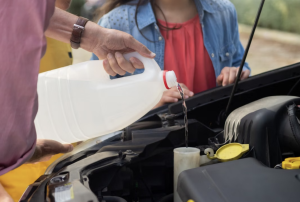
A safe commute requires more than just a well-lubricated powertrain. Topping off your windshield washer reservoir guarantees clear visibility during sudden rainstorms or dusty highway drives. Calibrating your tire pressure to the exact specification on your door jamb maximizes fuel efficiency and prevents uneven tread wear. These simple auxiliary checks round out a complete preventive care package.
https://www.pexels.com/photo/close-up-of-man-pouring-windshield-washer-fluid-into-the-container-in-a-car-7854087/
How Do Visual Inspections Catch Failing Belts and Hoses?
Rubber components degrading silently under the hood present a massive risk to your daily commute. Identifying these wear points early keeps you firmly in control of your repair budget.
Identifying Drive Belt Damage
The serpentine belt drives your alternator, water pump, and air conditioning compressor with constant tension. Exposure to extreme engine bay heat bakes these rubber belts and causes the ribbed sections to crack, glaze, and eventually snap entirely. A quick visual inspection spots these micro-cracks weeks before the belt breaks and leaves you stranded on the highway shoulder.
Squeezing the Radiator Hoses
Coolant hoses suffer from the inside out as hot, pressurized fluid breaks down their internal structural fibers. Squeezing the upper and lower radiator hoses reveals soft, spongy sections that are ready to burst. Replacing a $50 hose in the shop prevents a catastrophic blowout that could easily destroy your entire engine block.
Why Do Multi-Point Inspections Prevent Costly Breakdowns?
Small mechanical problems rapidly snowball into massive repair bills when left unchecked for thousands of miles. A torn CV axle boot caught early requires a cheap repack and seal, while ignoring it guarantees the destruction of the entire axle joint. The American Automobile Association reported dispatching rescue crews to more than 27 million stranded motorists across the country during 2024. Routine fluid swaps and visual reviews keep you out of that massive demographic of drivers facing sudden roadside emergencies.
Creating a Bulletproof Maintenance Habit
Consistency matters more than anything else when managing your automotive care.
- Set calendar reminders: Schedule your next appointment the moment you drive away from the service center.
- Track your mileage: Relying entirely on a window sticker can cause you to overshoot your target interval by hundreds of miles.
- Document every service: A detailed paper trail increases the resale value of your car and helps mechanics diagnose future issues faster.
Treating routine lubricant changes and multi-point fluid inspections as scheduled preventive care extends the functional life of your engine and prevents costly mechanical repairs down the road. You take full control of your automotive reliability when you pair fresh oil filters with thorough visual reviews of your belts, hoses, and tires. Maintaining this disciplined approach keeps your vehicle running strong, safe, and efficient for years to come.
 Email