Rolling Advantage: How Cycling Teams Use Luxury Sprinter Vans
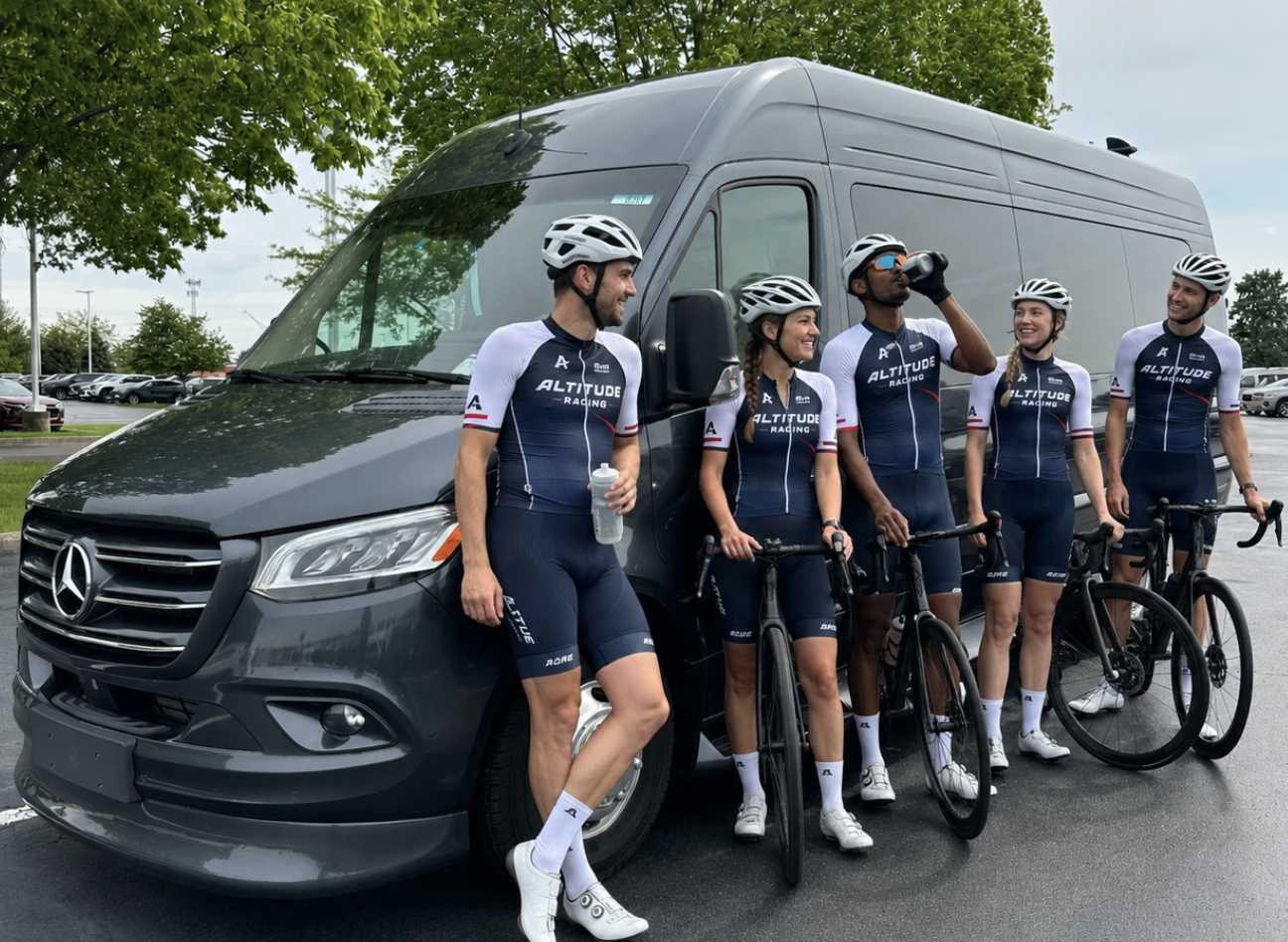
In modern cycling, performance is no longer just about watts, cadence, or aerodynamics. It’s also about logistics, recovery, and how efficiently a rider can move between training, competition, and rest. That evolution has quietly elevated one unexpected vehicle into a key role in the sport: the luxury Sprinter van.
Many teams and serious riders are now investing in a Luxury Sprinter Van because it functions as a fully mobile support system—part transport, part recovery space, and part command center.
A Mobile Basecamp for Cycling Operations
Professional cycling teams operate more like travelling performance units than traditional sports teams. Every race or training block requires coordination between riders, coaches, mechanics, and support staff.
Luxury Sprinter vans help centralize that entire operation. Instead of relying on multiple vehicles, teams can consolidate essential functions into one highly adaptable space.
Inside a typical cycling support van, you’ll often find:
- secure bike storage systems
- tool stations for quick mechanical work
- nutrition and hydration setups
- race-day communication tools
- spare parts and equipment organization
This creates a mobile basecamp that moves with the team from stage to stage or ride to ride.
Recovery Has Become a Competitive Advantage
In endurance sports like cycling, recovery is just as important as training. The difference between winning and losing can come down to how efficiently an athlete restores energy between efforts.
Luxury Sprinter vans provide an immediate recovery environment after rides or races. With reclining seating, controlled climate, and privacy, riders can:
- rest between training sessions
- receive massage or treatment
- refuel with proper nutrition
- decompress mentally after intense efforts
For multi-stage events, this fast transition from exertion to recovery can have a real impact on overall performance.
Solving the Bike and Gear Logistics Problem
Cycling equipment is both expensive and sensitive. High-end road bikes require careful handling, protection from weather, and secure transport. Add in wheels, tools, clothing, and nutrition supplies, and logistics quickly become complicated.
A luxury Sprinter van simplifies all of this by offering:
- indoor bike transport without external racks
- organized gear compartments
- protection from road debris and weather
- easy loading for multiple riders and bikes
For enthusiasts, this also makes group rides far more practical. Weekend rides, destination climbs, and events become easier to plan without worrying about vehicle limitations.
A Better Environment for Teams and Staff
Cycling support isn’t just about riders. Coaches, mechanics, media crews, and directors spend long hours traveling between locations. That time can either be wasted or used productively.
Inside a luxury Sprinter van, staff can:
- analyze race footage
- plan strategy for upcoming stages
- manage communications
- work remotely during travel
Comfortable seating and quiet interiors turn travel time into working time, which is especially valuable during tight race schedules.
Why Enthusiasts Are Adopting the Same Setup
While professional teams helped popularize the trend, cycling enthusiasts are increasingly following the same model. For dedicated riders, a Sprinter-style setup offers freedom and flexibility.
It allows cyclists to:
- transport multiple bikes easily
- travel with friends or training groups
- set up a basecamp at events or trailheads
- support long-distance cycling trips
It transforms cycling from a simple activity into a full travel experience.
The Future of Cycling Support Vehicles
As cycling continues to evolve, the support systems behind it are becoming more sophisticated. Luxury Sprinter vans are now part of that infrastructure, blending mobility, comfort, and performance support into one platform.
What started as a commercial cargo vehicle has quietly become a critical tool in modern cycling culture—helping teams train smarter, recover faster, and travel more efficiently.
And as the sport continues to grow, the role of these mobile basecamps is only expected to expand.
 Email
Email