What Legal Options Exist After a Bicycle Accident in Portland, OR?
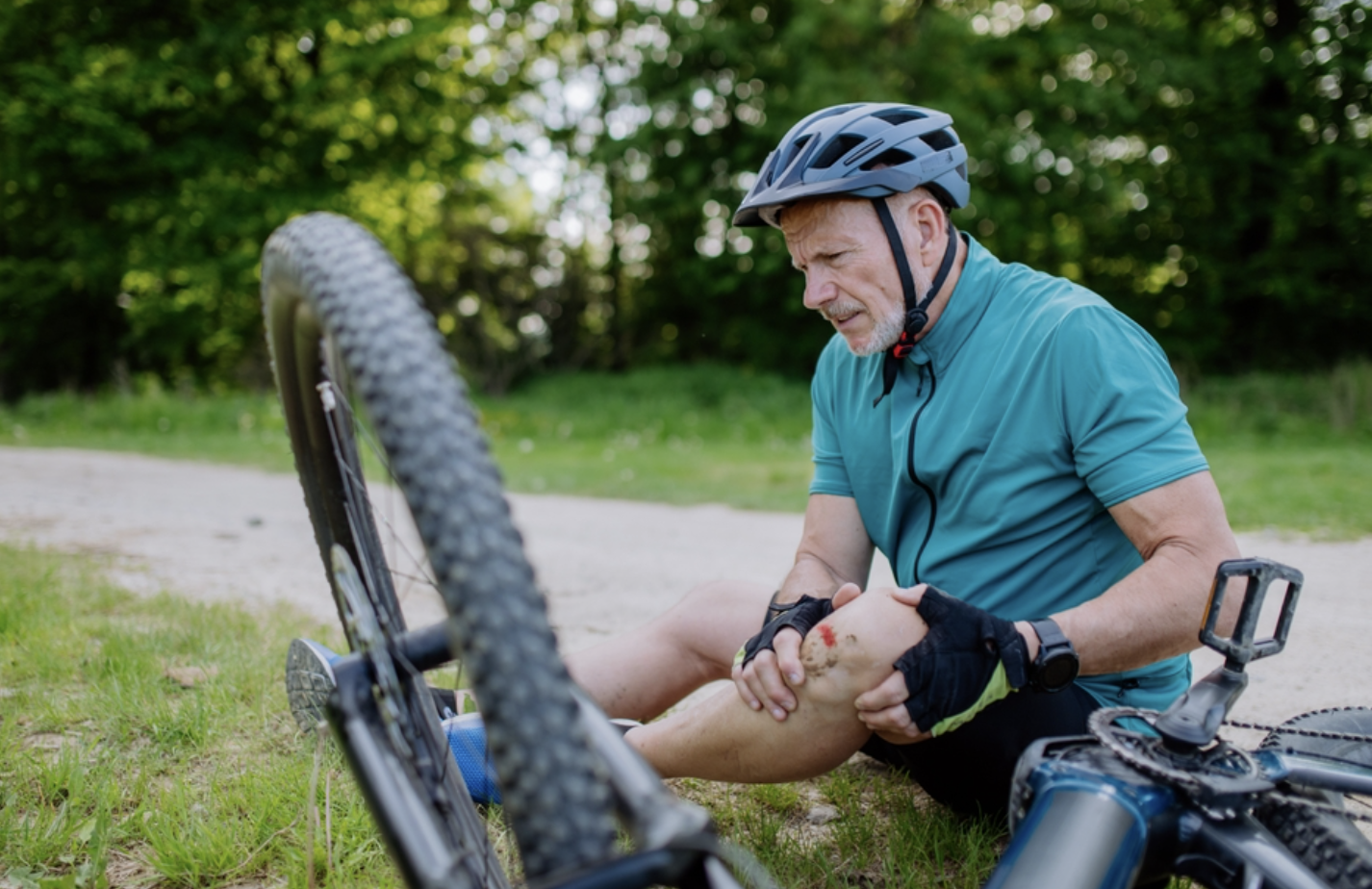
Portland is a city where cyclists share the road with cars, trucks, buses, and pedestrians, making road safety a shared responsibility. A serious bike crash can bring medical expenses, a damaged bicycle, and difficult questions about who should cover the costs. Injured riders may also face uncertainty about insurance claims and their legal rights. The causes of bike accidents in Portland can affect who may be responsible and which options are available.
Cyclists may need to consult a lawyer after a bicycle crash to understand their rights and consider options such as filing an insurance claim or pursuing a personal injury lawsuit.
Let’s look at the possible legal options available to cyclists after a bike accident in Portland and how each step may help them understand their rights and seek compensation for their losses.
1. Filing an Injury Claim Against the Driver
If a driver’s careless actions cause a bicycle crash in Portland, OR, the injured cyclist may be able to file an injury claim against that driver’s insurance. Running a red light, speeding, turning without checking for cyclists, or failing to give a rider enough space may contribute to a collision.
A claim may seek payment for medical expenses, lost income, pain, and other losses connected to the crash. The available amount depends on the evidence, the injuries, and the rules that apply. Photos, witness statements, and medical records may help explain what happened and how the collision affected the cyclist.
2. Exploring Available Insurance Coverage
The driver’s auto insurance may cover an injured cyclist’s losses if the driver is found responsible and the policy applies. However, the driver’s coverage is not always the only option worth checking after a bike accident in Portland.
Depending on the circumstances, the cyclist’s own auto insurance or a household policy may provide certain benefits. Personal injury protection, often called PIP, may cover some medical expenses under qualifying policies. Uninsured or underinsured motorist coverage may also apply in certain cases involving drivers with no insurance or insufficient coverage.
Policy terms and state rules affect what is available, so cyclists should not assume every policy covers every loss. Reviewing the specific coverage can help clarify possible options.
3. Considering a Personal Injury Lawsuit
Insurance claims do not always settle disagreements about fault or payment. If the parties cannot reach an agreement, an injured cyclist may have the option to file a personal injury lawsuit against a responsible party.
A lawsuit allows the parties to present evidence about how the crash happened, who was responsible, and what losses followed. Medical records, repair bills, witness accounts, and other documents may become part of the case. Court proceedings can take time, and the result depends on the evidence and applicable law.
Oregon also has filing deadlines for personal injury lawsuits. Different facts may affect which deadline applies, so anyone considering a claim should learn about the relevant time limits.
4. Understanding Shared Fault Under Oregon Law
A bike accident does not always happen because of one person’s actions alone. A driver may turn across a bike lane, while a cyclist may also have made a mistake that contributed to the collision. The details matter when responsibility is assessed.
Oregon follows a modified comparative fault system. Under this rule, an injured person may recover damages if their share of fault does not exceed the fault of the person or parties they seek to hold responsible. Any damages awarded may be reduced based on the injured person’s share of fault.
For example, if a cyclist is found partly responsible, the amount they can recover may be reduced. The evidence and the rules that apply to the case determine how fault is assessed.
5. Options After a Hit and Run or Uninsured Driver Crash
A driver who leaves the scene creates a difficult problem for an injured cyclist. Finding the driver may be hard, and there may be no known insurance company to contact. Crashes involving uninsured drivers can raise similar concerns.
Cyclists in Portland, OR, may be able to explore uninsured motorist coverage through an applicable auto insurance policy. Whether this coverage applies to a bicycle crash depends on the policy terms and the circumstances. Other options may depend on whether the driver can be identified and whether another party contributed to the collision.
Reporting the crash and preserving available details, such as witness contact information, photographs, and vehicle descriptions, may help support later inquiries.
6. Recovering Costs for Bike Damage and Other Property
A bicycle crash may damage more than the rider’s health. The bike itself, helmet, phone, clothing, and other belongings may also need repair or replacement. An injured cyclist may seek payment for covered property losses from a responsible party or through applicable insurance.
Photographs, repair estimates, receipts, and purchase records can help show the extent of the damage and its cost. Property damage claims may be handled alongside an injury claim or separately, depending on the circumstances.
Choosing a Legal Option After a Bike Accident
Cyclists may have several options after a crash, including an insurance claim, a personal injury lawsuit, or coverage under an applicable policy. The causes of bike accidents in Portland can affect how fault is assessed and which options may be available. If questions arise about responsibility or compensation, cyclists may consult a lawyer after a bicycle crash to better understand their options.
Keeping records of injuries, expenses, and the crash can help explain what happened. The right path depends on the facts, insurance terms, and Oregon law, so each situation needs careful consideration.
 Email