GPS Bike Tracker: Recover Your Stolen Bicycle Faster & Easier

The sinking feeling of discovering your bicycle is gone – stolen – is a uniquely frustrating and violating experience. Beyond the monetary loss, there’s the emotional attachment, the inconvenience, and the feeling of being targeted. While locks and security measures can deter theft, a determined thief can often find a way around them.
GPS Bike Tracker: Recover Your Stolen Bicycle Faster & Easier
This is where a GPS bike tracker can make all the difference, transforming a potentially unrecoverable loss into a swiftly resolved retrieval.
This comprehensive guide will explore how a GPS motorcycle tracker can dramatically increase your chances of recovering a stolen bicycle faster and easier, covering everything from the types of trackers available to the practical steps you should take in the event of theft.
Why Bike Theft is a Significant Problem
Bike theft is a pervasive problem affecting cyclists of all levels, from casual riders to dedicated athletes. Several factors contribute to this issue:
- High Demand and Resale Value: Stolen bikes can be easily resold on the black market, online marketplaces, or even disassembled for parts. The demand for affordable transportation and cycling gear fuels this market.
- Relatively Low Risk and Punishment: Compared to other forms of theft, bike theft is often perceived as a low-risk crime, with limited resources allocated to investigation and prosecution.
- Ease of Execution: Many bike thefts are crimes of opportunity. A poorly secured bike in a public place is an easy target for a thief.
- Globalization of Stolen Goods: The internet makes it easier for thieves to sell stolen bikes across state lines or even internationally, making recovery more challenging.
Traditional methods of protecting your bike, such as strong locks and cable locks, can deter opportunistic thieves, but a determined thief armed with the right tools can overcome most physical security measures. This is why a more proactive approach, like using a GPS bike tracker, is essential.
How GPS Bike Trackers Work: A Technological Overview
GPS bike trackers leverage the power of Global Positioning System (GPS) technology to pinpoint the exact location of your bicycle in real-time. Here’s a breakdown of the key components and their functions:
- GPS Module: This module receives signals from orbiting GPS satellites. By analyzing the signals from multiple satellites, the module can calculate its precise location (latitude, longitude, and altitude).
- Cellular (GSM/LTE) Module: This module utilizes cellular networks (like those used by smartphones) to transmit the GPS coordinates to a server or directly to your smartphone app. This allows you to track your bike’s location even when it’s far away. Some trackers also use low-power wide-area networks (LPWAN) like LoRaWAN or NB-IoT, which offer longer battery life but may have limited coverage in certain areas.
- Battery: The tracker is powered by a battery, which can be rechargeable or replaceable. Battery life varies depending on the tracker’s size, transmission frequency, and power management capabilities.
- Microcontroller: This acts as the “brain” of the tracker, controlling the GPS module, cellular module, and other functions.
- Software and App: The tracker typically comes with a dedicated smartphone app or web platform that allows you to view the bike’s location on a map, set up geofences (virtual boundaries), receive alerts, and access historical tracking data.
Types of GPS Bike Trackers: Choosing the Right Solution for You
The market offers a variety of GPS bike trackers, each with its own set of features, advantages, and disadvantages. Here’s a breakdown of the common types:
- Integrated Frame Trackers: These trackers are designed to be seamlessly integrated into the bike frame, often concealed within the seat post, handlebars, or other components. They offer a discreet and tamper-resistant solution.
- Pros: High concealment, tamper-resistant, often powered by the bike’s battery (for e-bikes), aesthetically pleasing.
- Cons: Can be more expensive, may require professional installation, potentially harder to move to another bike.
- Externally Mounted Trackers: These trackers are attached to the bike using clamps, screws, or adhesive mounts. They are generally more affordable and easier to install than integrated trackers.
- Pros: More affordable, easy to install and move between bikes, readily available.
- Cons: More visible and vulnerable to tampering, may require frequent battery changes.
- Accessory-Based Trackers: Some trackers are integrated into accessories like bike lights, water bottle cages, or handlebar grips. This offers a more discreet and integrated approach.
- Pros: Discreet, functional as an accessory, relatively easy to install.
- Cons: Battery life may be shorter, may not be as tamper-resistant as integrated trackers.
- Bluetooth Trackers (e.g., Apple AirTag, Tile): These trackers utilize Bluetooth technology to track the bike’s location within a limited range. They rely on a network of nearby devices (e.g., smartphones) to report the location.
- Pros: Affordable, easy to set up, uses a vast network of devices.
- Cons: Limited range, requires nearby devices to function, not suitable for real-time tracking over long distances, primarily useful for finding bikes that are hidden nearby.
Key Features to Consider When Choosing a GPS Bike Tracker
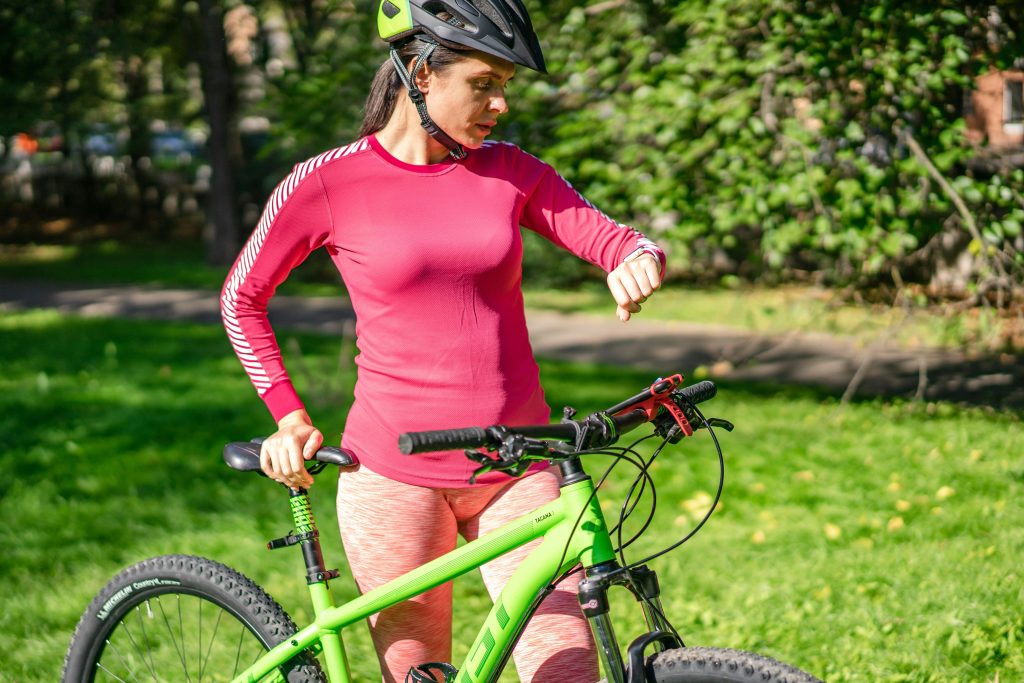
When selecting a GPS bike tracker, consider the following features:
- Accuracy: The accuracy of the GPS location is crucial. Look for trackers that offer accuracy within a few meters.
- Real-Time Tracking: The ability to track your bike’s location in real-time is essential for rapid recovery.
- Geofencing: Geofencing allows you to create virtual boundaries and receive alerts when your bike enters or exits those areas. This can be useful for detecting theft or unauthorized use.
- Alerts and Notifications: Look for trackers that send alerts to your smartphone when the bike is moved, experiences a sudden impact, or is outside of a designated area.
- Battery Life: Battery life is a critical factor. Consider your typical riding patterns and choose a tracker with a battery life that meets your needs. Some trackers offer power-saving modes to extend battery life.
- Water Resistance: Your bike tracker should be water-resistant to withstand rain and splashes. Look for a tracker with an IP rating (e.g., IP67) indicating its level of water resistance.
- Size and Weight: The size and weight of the tracker can affect its visibility and impact on your riding experience.
- Subscription Fees: Many GPS trackers require a subscription fee for cellular connectivity and access to the tracking platform. Consider the cost of the subscription when making your decision.
- Tamper Resistance: Choose a tracker that is difficult to remove or disable. Integrated frame trackers offer the best tamper resistance.
- Data History: The ability to review historical tracking data can be useful for analyzing riding patterns and reconstructing events leading up to a theft.
- Mobile App Features: A user-friendly mobile app is essential for managing your tracker, viewing location data, and receiving alerts. Look for an app with a clear interface and comprehensive features.
Steps to Take if Your Bike is Stolen
Even with a GPS tracker, it’s crucial to have a plan in place in case your bike is stolen. Here’s a step-by-step guide:
- Confirm the Theft: Double-check that your bike is indeed stolen and not simply misplaced or moved.
- Activate the Tracker: If the tracker is not already active, turn it on and ensure it’s transmitting location data.
- Track the Bike’s Location: Use the smartphone app or web platform to track the bike’s real-time location. Observe the bike’s movements and try to predict its destination.
- Contact Law Enforcement: Immediately contact the local police department and report the theft. Provide them with the bike’s serial number, description, and the GPS location data. Emphasize that you have a GPS tracker installed.
- Do NOT Attempt to Recover the Bike Yourself: It’s crucial to avoid confronting the thief yourself, as this could be dangerous. Allow law enforcement professionals to handle the recovery.
- Provide Information to Law Enforcement: Share all relevant information with the police, including the bike’s serial number, description, the tracker’s location data, and any suspicious activity you may have noticed.
- Cooperate with the Investigation: Be patient and cooperative with the police investigation. They may need time to gather evidence and coordinate a recovery operation.
- Document Everything: Keep a detailed record of all communications with the police, insurance company, and the GPS tracker provider.
- File an Insurance Claim (if applicable): If you have bike insurance, file a claim as soon as possible. Provide the insurance company with the police report and any other relevant documentation.
- Alert Online Marketplaces: If you suspect the thief might try to sell the bike online, alert online marketplaces like eBay, Craigslist, and Facebook Marketplace. Provide them with the bike’s serial number and description.
- Monitor Social Media: Keep an eye on social media groups and online forums related to cycling in your area. Someone may have spotted your bike or have information about the theft.
Beyond Recovery: Other Benefits of GPS Bike Trackers
While the primary benefit of a GPS bike tracker is theft recovery, it offers other valuable advantages:
- Peace of Mind: Knowing that your bike is equipped with a GPS tracker can provide peace of mind, especially when parking it in public places.
- Ride Tracking: Some trackers can also track your rides, providing data on distance, speed, and elevation.
- Anti-Tampering Alerts: Some trackers can detect when the bike is being tampered with, such as when the lock is being cut or the bike is being moved without authorization.
- Insurance Discounts: Some insurance companies offer discounts to cyclists who use GPS trackers.
- Fleet Management: For businesses that use bicycles for deliveries or other purposes, GPS trackers can be used to manage the fleet, track employee performance, and ensure the safety of riders.
 Email
Email