What Happens If There Were No Witnesses to Your Bicycle Accident?
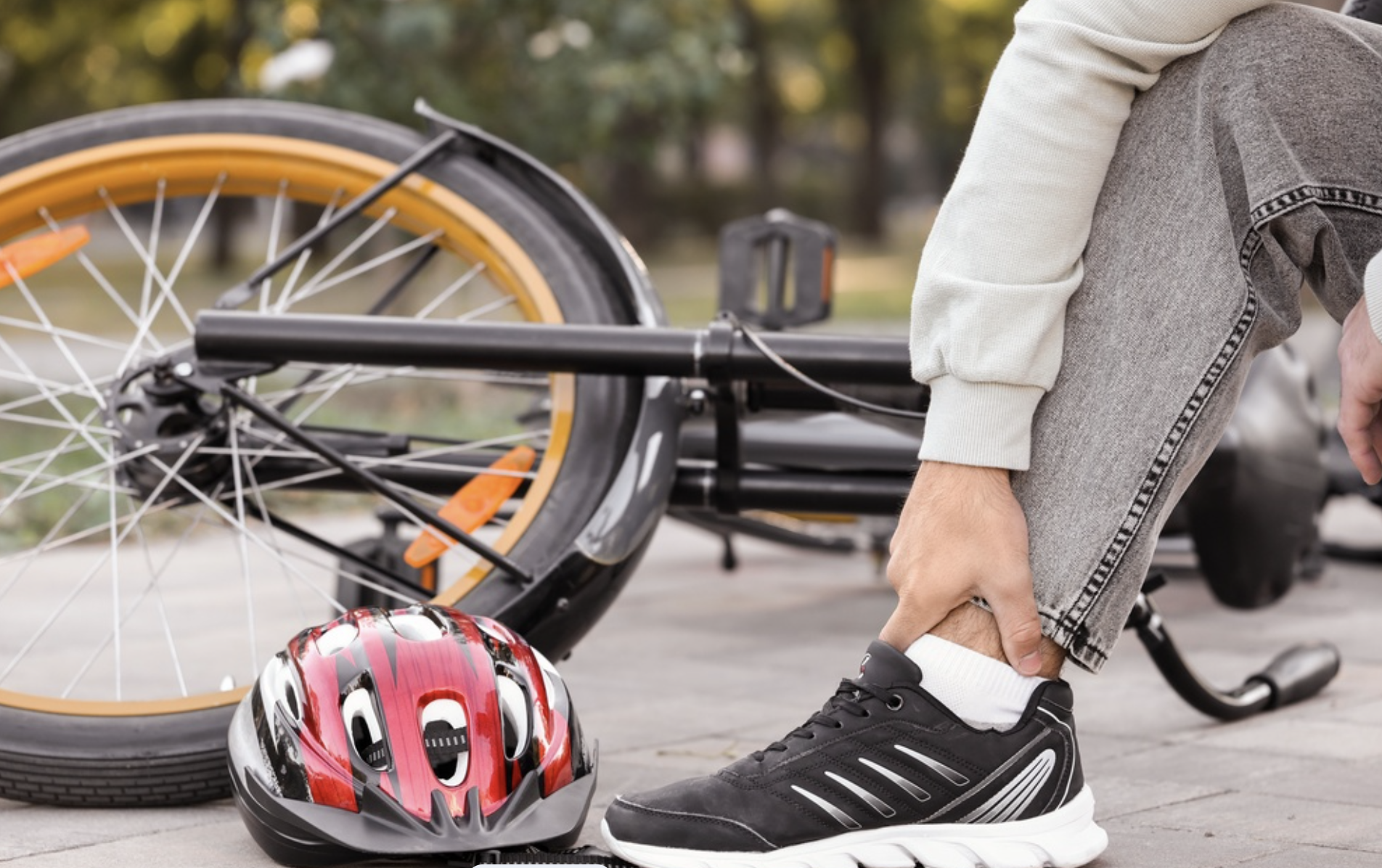
A bicycle crash can happen on a busy street, yet nobody may be looking in the right direction. That can make the accident harder to prove, but it does not mean the facts disappear. Roads can hold clues. Cameras may have recorded the crash. Damage, police records, medical reports, and even details from the people involved can help show what happened.
The lack of a witness may leave one piece of the story missing, but other evidence can still matter. If you need to file a bicycle accident injury claim, knowing what records may support your account can make the situation easier to understand.
No Witnesses Does Not Mean No Evidence
A person standing nearby can give a useful account of a crash, but a witness is not the only source of information. A bicycle accident can leave behind physical and written evidence that helps create a clearer record.
The condition of the bicycle, damage to a vehicle, marks on the road, traffic signs, and nearby cameras may all provide useful details. Photos taken after the accident can also show the scene before it changes.
The important point is simple. One missing witness does not erase everything else connected to the crash.
Start With What the Accident Scene Shows
The road itself may contain useful clues. The position of the bicycle and vehicle can help show how the crash happened. Damage to the bicycle or car may also provide information about the point of impact.
Photos can record traffic signals, road signs, lane markings, weather conditions, and damage. These details may seem small, but several pieces of evidence can help create a fuller record.
If police attend the scene, their observations may also become part of the accident record.
Traffic Cameras May Fill the Gap
A missing witness does not always mean there is no video. Cameras near roads, shops, homes, parking areas, and traffic lights may have captured part of the accident.
Dashcam footage from another vehicle can also be useful. Some cycling cameras and phones may have recorded the road before or during the crash.
Video does not have to show every second of an accident to contain useful information. A short clip may show traffic movement, vehicle position, or what happened just before the collision.
The Police Report Adds Another Record
A police report can provide another account of the accident. Officers may record what they saw at the scene, speak with the people involved, note vehicle damage, and document road conditions.
The report may also include information given by the cyclist and driver. It can become one part of the larger record rather than standing alone as proof of everything that happened.
Medical Records Show What Happened After the Crash
Medical records can document injuries reported after a bicycle accident. Emergency room records, doctor notes, scans, treatment records, and medical bills can all form part of the accident file.
These records can show the type of treatment received and the dates connected with that treatment. They also provide written information about injuries rather than relying only on a person’s memory.
Your Own Account Still Matters
A clear account of the accident can help explain what happened from the cyclist’s point of view. Details such as the direction of travel, traffic signal, road position, speed, and actions of the driver may all be recorded.
The same account should be consistent with other available evidence. A statement becomes more useful as part of a larger record that includes photos, reports, video, and other documents.
Other Records That May Help
Several types of records can add more detail to a bicycle accident:
- Bicycle and vehicle repair records
• GPS or cycling app records
• Phone or camera footage
• Accident-related messages
• Weather and road condition records
• Photos taken soon after the crash
None of these records automatically tell the whole story. Their value depends on what they show and how they connect with the other evidence.
What If the Driver Tells a Different Story?
A driver may give an account that does not match the cyclist’s version of events. Without an eyewitness, the difference between those accounts may become more important.
Other evidence can then provide additional details. Photos may show vehicle damage. Video may show traffic movement. A police report may record observations from the scene. Medical records may document injuries after the crash.
Looking at several sources can provide a clearer record than relying on either person’s statement alone.
How Traffic Laws Can Help Establish Fault
Traffic laws can help determine who may be responsible for a bicycle accident, even if nobody witnessed the crash. By comparing what happened with the rules of the road, it may be possible to identify whether the driver or cyclist acted carelessly.
Some important traffic rules to consider include:
- Right-of-way rules: Whether the driver or cyclist failed to yield when required at an intersection or crossing.
- Bicycle lane regulations: Whether a driver improperly entered or blocked a designated bicycle lane.
- Turning requirements: Whether a driver failed to check for cyclists or yield before making a turn.
- Safe passing laws: Whether a driver failed to leave the legally required distance while passing a cyclist.
A traffic violation does not automatically establish fault. However, understanding which rules applied can help explain how the accident happened and who may be legally responsible.
The Evidence Builds the Bigger Picture
A bicycle accident without witnesses can feel like a case with a missing piece, but other evidence may still exist. The road, vehicles, cameras, police records, medical documents, and digital records can all contribute information.
For someone who needs to file a bicycle accident injury claim, these records may form an important part of the information reviewed during the claim process. A witness can provide one account, but evidence can come from many places. The strongest record is built by looking at what each available source shows and how the details fit together.
 Email