Common Causes of Groin Discomfort While Cycling and How to Reduce It
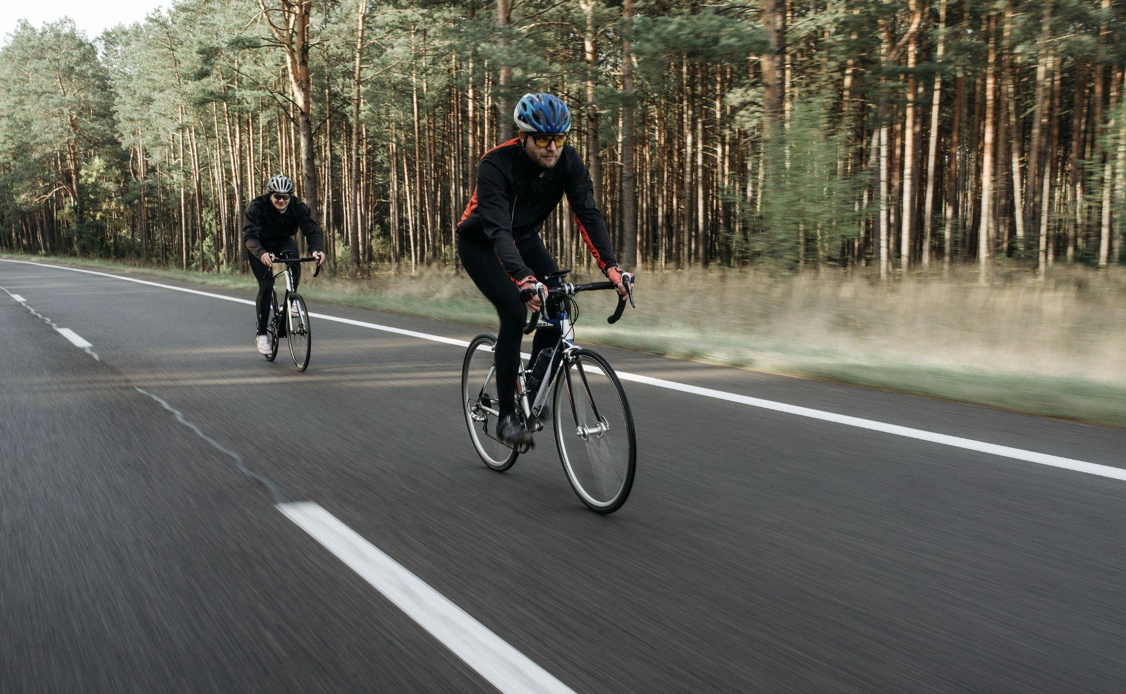
Cycling should challenge our legs and fitness, but we shouldn’t simply accept persistent groin discomfort. Because the groin sits where the abdomen, pelvis, hips, and upper thighs meet, discomfort can come from muscles, tendons, joints, nerves, skin, or saddle pressure.
For cyclists, finding the likely source matters because riding combines repetitive hip movement with prolonged sitting. A problem that seems minor during a short ride may become much more noticeable after a long weekend ride, steep climb, or harder training session.
Saddle Pressure and Soft-Tissue Irritation
One of the most cycling-specific causes of groin discomfort is saddle pressure. Our body weight is partly supported by the saddle for long periods, and an unsuitable shape, width, angle, or position can concentrate pressure on sensitive tissue.
The problem may become more noticeable on long rides, when riding forward, or when spending extended periods seated. Friction between skin, cycling shorts, and the saddle can add irritation, particularly in hot weather.
Individual anatomy can also affect how pressure and friction are distributed around the groin. Existing conditions involving the surrounding skin and tissue, including those sometimes treated through buried penis correction, may contribute to discomfort independently of the bike itself. This is why symptoms that continue away from the saddle or do not improve after fit adjustments should not automatically be blamed on cycling.
We can reduce pressure by making sure the saddle supports our sit bones rather than loading sensitive soft tissue. Small adjustments to saddle tilt, height, and position can help. Persistent numbness, tingling, or loss of sensation should not be treated as normal cycling discomfort.
Groin and Adductor Muscle Strains
The adductor muscles along the inner thigh help stabilise the pelvis and control movement around the hip. Cyclists can irritate these muscles through overuse, sudden increases in training, or poor positioning.
A strain may cause tenderness, pulling, or aching along the inner thigh. A sudden injury can cause sharper pain, while overuse may start as mild discomfort that gradually becomes more noticeable during or after riding.
Training load matters. Jumping from short rides to a long weekend ride gives muscles and tendons less time to adapt. If symptoms follow a major increase in distance, climbing, or intensity, temporarily reducing the workload may help.
Hip Flexor and Hip Joint Problems
Cycling keeps our hips flexed for much of a ride, especially in a low riding position. Repeated hip flexion can leave muscles at the front of the hip feeling tight or overloaded.
Bike setup can contribute. A saddle that is too low may keep the hips and knees excessively bent throughout each pedal stroke. An aggressive position can also increase compression around the hip.
Not all groin discomfort comes from muscles. The hip joint itself can cause deep groin pain. Problems may cause aching, stiffness, catching, clicking, or popping. If pain continues off the bike or comes with restricted movement, a healthcare professional can assess whether the joint is involved.
Hernias and Nerve-Related Pain
A hernia can cause pain or pressure around the groin and should not be mistaken for an ordinary cycling strain. An inguinal hernia may cause aching or discomfort, sometimes with a noticeable bulge. Coughing, lifting, or straining may make symptoms more obvious.
Nerve irritation can feel different from muscle soreness. We might notice burning, tingling, numbness, shooting pain, or discomfort travelling into another area. Recurring neurological symptoms warrant assessment.
Poor Bike Fit and Repetitive Stress
When discomfort repeatedly appears during cycling but improves after we stop, bike fit deserves attention. Saddle height, setback, handlebar reach, and cleat position influence how our hips, knees, and pelvis move through thousands of pedal revolutions.
A saddle that is too high may cause the pelvis to rock from side to side, increasing friction and stress around the groin. A saddle that is too low may create excessive hip flexion.
Rather than making several changes at once, make small adjustments and assess them over a few rides.
Reducing Groin Discomfort on the Bike
Check that the saddle suits our anatomy and riding position. Extra padding is not automatically better; proper support and pressure distribution matter more.
Increase training gradually rather than suddenly adding long distances, steep climbs, or high-resistance sessions. During longer rides, occasionally standing on the pedals can also redistribute pressure.
Exercises targeting the glutes, core, hip stabilisers, and adductors may support pelvic control. Mobility work can help when restricted hip movement contributes to an uncomfortable position.
Most importantly, pay attention to patterns. If discomfort always starts after an hour, during climbing, or after increasing mileage, that timing can help identify the likely trigger.
When Groin Pain Needs Medical Attention
Persistent, worsening, or unexplained groin pain deserves attention because cycling is only one possible cause. Seek medical assessment when pain repeatedly returns, interferes with walking, continues despite rest and bike-fit changes, or occurs with swelling, weakness, numbness, or a groin lump.
Sudden severe groin or testicular pain, significant trauma, fever, vomiting, inability to bear weight, or a painful groin bulge can require urgent medical care.
We can often reduce cycling-related irritation by improving saddle support, checking bike fit, varying our position, and increasing mileage gradually. But when discomfort persists or does not follow a clear cycling pattern, identifying the underlying cause matters more than simply adjusting the bike.
 Email
Email