How Primary Traffic Offenses Can Affect Car Accident Claims
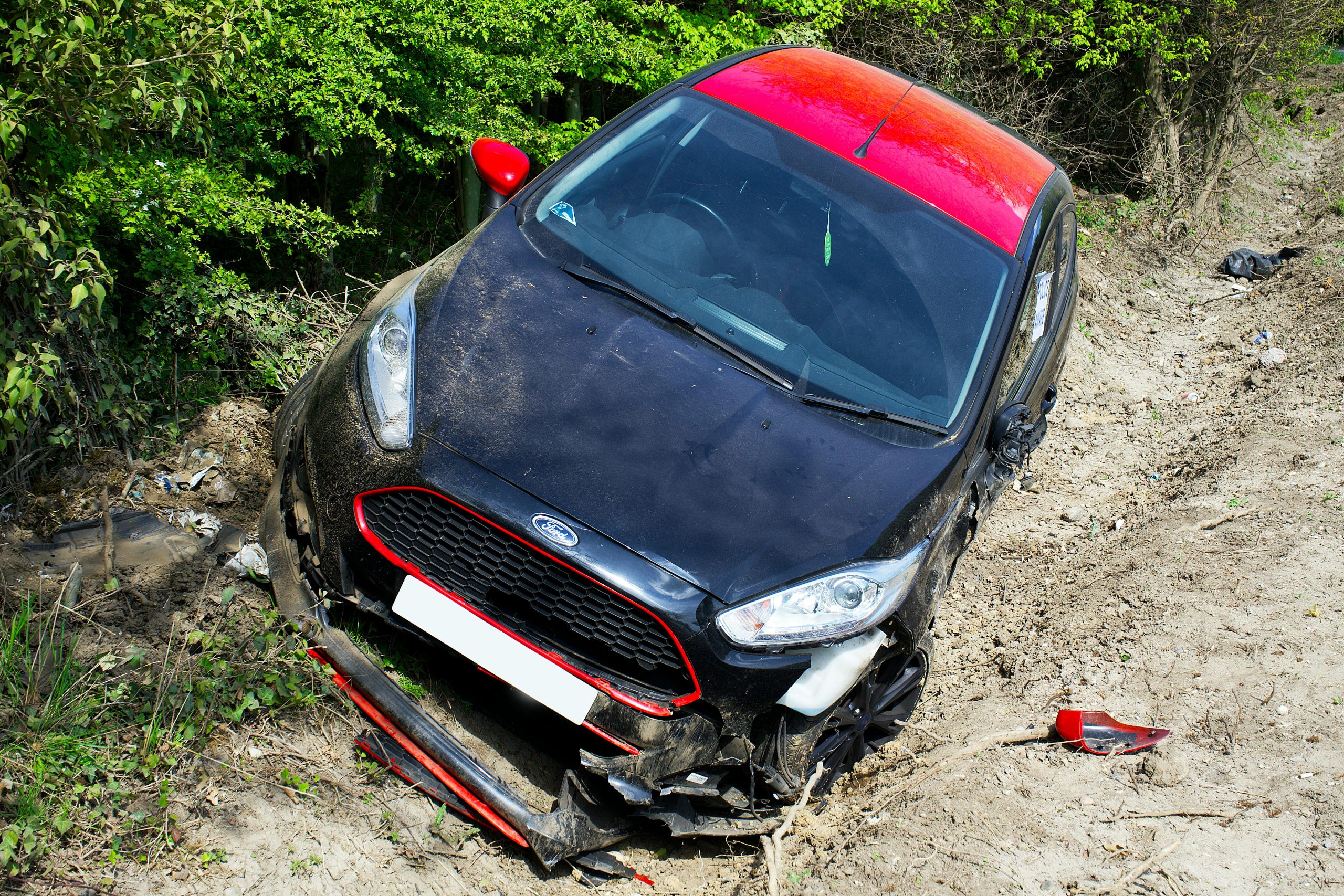
The NHTSA reports that 11,288 people were killed in speeding-related accidents and that these crashes were responsible for 29% of the total traffic fatalities in 2024. It was also found that about 316,757 people were injured in accidents during the same period.
Distracted driving caused over 3,200 annual deaths and over 315,000 injuries. Drunk driving was also a major contributor to traffic deaths, with NHTSA reporting 11,904 alcohol-impaired driving fatalities in 2024, accounting for about 30% of all traffic deaths that year. Unfortunately, these deaths were highly preventable.
Not every traffic rule gets handled in the same way. In some cases, an officer must first see something specific before they can pull someone over. Other violations, often called primary offenses, let the officer stop the vehicle based only on that one issue.
This difference affects drivers day-to-day. It also changes how a crash case later gets handled. The category that a traffic violation belongs to can affect how easy it is to show who caused the crash and who should be blamed.
What Makes an Offense “Primary” Rather Than “Secondary”
What is a primary offense? A primary infraction permits the police to intervene for a traffic stop on the basis of the perceived violation. A secondary offense, meanwhile, can only be cited once law enforcement has already stopped the driver for another, primary reason. This distinction commonly appears in state distracted driving laws.
Learning what constitutes a primary offense in a state can affect more than the stop. The label “primary” or “secondary” can change how much recordkeeping exists that links the driver’s actions to a later crash.
One instance is in Florida, where texting while driving is treated as a secondary offense. That meant the officer could cite it only after the stop was already made for some other traffic issue. In 2019, Florida made the act of someone texting and driving a primary traffic violation as of July 1. After that day, a traffic officer could legally pull over a vehicle if the driver was using a phone while driving.
How a Traffic Citation Actually Functions in a Civil Claim
Several individuals assume that receiving a traffic ticket is irrefutable evidence that a driver is responsible for an accident, which is unfortunately incorrect. The link between a ticket and a civil claim is usually not as simple as people think.
In many states, a citation is used as proof that can support a negligence case, not proof that ends the question. Even then, a court expects the injured party to show the violation led to the crash. It is not enough to show the violation happened.
Still, some tickets matter more than others. If the citation closely relates to what caused the wreck, it can be very important. Many jurisdictions in the United States are applying the doctrine of negligence per se. According to this principle, a driver’s breach of a safety statute can count as evidence of the driver’s failure to take reasonable care. This scenario is most likely when the ticket fits the real cause of the crash. For instance, a ticket for running a red light is very helpful if the driver that ran the light runs into another car that’s in the intersection. But a ticket for something not related to the accident, such as an expired inspection certificate in the case of a rear-end collision caused by following too closely, holds very little weight.
Sorting out which citations actually matter is precisely the kind of work an NYC car accident lawyer does when building a claim, since the connection between a ticket and the crash itself is rarely obvious from the police report alone.
Why the Primary-Versus-Secondary Distinction Matters for Evidence
When it comes to primary offenses, the punishment for them can usually be delivered directly. Police are more likely to issue citations for primary offenses than for secondary ones. As a result, they have more evidence for these reasons than for those categorized as secondary factors. A distracted driving violation that’s only enforceable as a secondary offense often goes uncited entirely unless the driver happens to also be speeding or committing some other violation at the same time.
Once a violation becomes a primary offense, officers can document it directly. A driver’s distracted driving that became a primary offense is more likely to appear as a specific citation in the police report rather than getting folded into a vaguer description of the crash.
This outcome has a real practical effect on car accident claims. A specific, documented citation for distracted driving gives an injury claim something concrete to point to, whereas the absence of a citation doesn’t necessarily mean the conduct didn’t happen, only that it wasn’t independently enforceable at the time.
How Comparative Fault Affects the Outcome Either Way
Even a citation with a clear causal connection to a crash doesn’t automatically resolve how compensation gets divided. Many states use comparative negligence, so more than one driver can share fault, and the damage amount gets cut to match each person’s share.
New York uses a pure comparative negligence approach. That means an injured driver can still recover even when they were partly to blame, with the court reducing the award based on the driver’s own percentage of responsibility. An injured driver reviewing a case with a cited traffic violation still has to reconstruct the whole crash.
Whether the driver got cited for a primary or secondary offense can change how strong an injury claim looks. The timing of the citation relative to the accident is important. When a collision occurs, and one or both drivers are stopped and cited for following too closely, speeding, making an improper left turn, failing to yield, or any other traffic offense, such a citation in and of itself does not assign blame against any of the parties. It is important whether the violation for which the citation occurred was actually the cause of the crash. The details of the crash itself can weigh as much as the citation.
 Email
Email