3 Smart Ways to Enhance Cycling Recovery
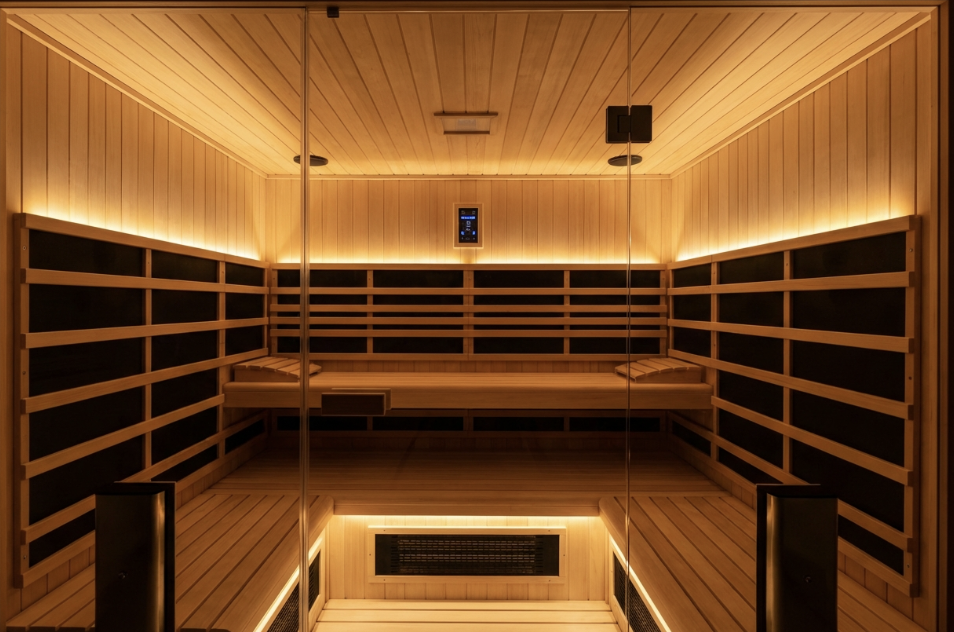
The three most effective lazy habits for faster cycling recovery include passive heat therapy for muscle relaxation, sustained vasodilation for improved circulation, and deep sweating for toxin elimination.
These collectively accelerate cellular repair without adding physical strain. When you log heavy miles and exhaust your legs, traditional active recovery protocols often demand energy you simply no longer possess.
By shifting to passive strategies that leverage physiological responses like heat shock protein activation, endurance athletes can clear metabolic waste entirely at rest. You train hard, dial in your nutrition, and obsess over your power output.
Why Infrared Saunas Differ From Traditional Options
Before implementing these habits, a quick clarification is necessary. Many cyclists have been told to avoid saunas immediately post-ride. That advice is not entirely wrong, but it simply does not apply to modern infrared technology.
Traditional saunas heat the surrounding air to high temperatures, creating significant cardiovascular demand. This accelerates fluid loss at a rate that a depleted body may not handle well.
Full-spectrum infrared therapy, such as the technology engineered into Sun Home Saunas’ infrared sauna, works through an entirely different mechanism. Instead of heating the air, infrared wavelengths penetrate tissue directly to reach muscle and cellular structures beneath the skin.
Cabin temperatures typically range from 120 to 150 degrees, which is meaningfully lower than a traditional sauna. This distinction makes all the difference for post-exercise recovery. These infrared sauna benefits are attributed to enhanced circulation, heat shock protein activation, and vasodilation at the tissue level.
Research shows that muscle temperature increased significantly at various depths during a 45-minute far-infrared sauna session without changes in core temperature.
The physiological pathways this activates are precisely what a cyclist needs after a hard effort. This includes metabolic waste clearance, increased blood flow to peripheral tissue, and cellular repair signaling.
Research published in the Journal of Human Kinetics demonstrated that infrared sauna exposure following exercise significantly reduced delayed onset muscle soreness. It also improved recovery speed compared to passive rest alone. The mechanism involves heat-induced vasodilation and upregulation of heat shock proteins. These facilitate cellular repair in stressed muscle tissue.
| Key Insight: Unlike traditional saunas that stress the heart with extreme air heat, infrared waves penetrate deep into the muscles at lower temperatures, facilitating cellular repair without further exhausting an already depleted athlete. |
1. Sink Into the Heat to Unwind
The most immediately noticeable effect of an infrared sauna session after a hard ride is how the legs feel. That locked-up tension in the quads and the tightness pulling across the hip flexors begin to release. Even the low back stiffness that showed up around mile 40 starts fading within the first 15 minutes of heat exposure.
Infrared heat raises intramuscular temperature, which reduces the neural firing patterns responsible for sustained post-exercise tension.
When muscle fibers have been repeatedly recruited under load, they do not simply turn off when the ride ends. Residual neural activity keeps them in a semi-contracted state that contributes to the stiffness felt the next morning.
Gentle, penetrating heat interrupts that cycle, offering deep muscle relaxation for cyclists without requiring active stretching. The muscles that benefit most are those spending every ride in shortened, repetitive positions. The quads, hamstrings, hip flexors, psoas, and erector spinae all need sustained warmth and time to release.
Regular heat exposure has also been shown to reduce delayed onset muscle soreness over time.
Heat shock proteins act as molecular chaperones activated by thermal stress to support the repair of microfiber damage. Cyclists who build consistent sauna habits routinely observe that deep post-ride soreness flattens out significantly.
Consider the case of a recreational cyclist riding 200 miles per week who added two 25-minute infrared sessions.
Within three weeks, he reported noticeably reduced quad tightness the following morning and a meaningful drop in heavy-leg sensations. His stretching routine had not changed, proving the effectiveness of his new heat protocol.
Aim to begin a sauna session within 90 minutes of finishing a ride, after rehydrating and cooling down slightly. It serves as an effortless stretch routine with absolutely no discomfort required. Just sit back and let the ambient warmth do the heavy lifting.
2. Replace Cooldown Rides With Gentle Heat
Most structured training plans include a short, easy cooldown spin after hard efforts. Low-intensity movement keeps blood flowing through fatigued tissue and helps the body begin its recovery process. However, completing an easy spin after a grueling gran fondo is a mental battle often lost.
Infrared heat accomplishes the same circulatory goals passively. When the body is exposed to infrared wavelengths, blood vessels dilate in response to rising tissue temperature.
This vasodilation increases peripheral blood flow substantially to deliver oxygen-rich blood to fatigued muscle tissue.
This process simultaneously clears out the metabolic byproducts that accumulate during high-intensity efforts. Lactic acid, ammonia, and other waste compounds are flushed away efficiently. For cyclists in structured training blocks, this circulatory benefit extends well beyond the session itself.
Consistent infrared use is associated with improved vascular tone and connective tissue health. Studies indicate that prolonged passive heat treatment significantly increases muscle tissue capillarization. Tendons and ligaments benefit tremendously from the enhanced nutrient delivery that vasodilation supports.
Over a full training season, this can meaningfully reduce overuse injury risk in the knees and Achilles tendons.
Tracking physiological markers provides clear evidence of this powerful effect. One master ‘s-category road racer tracked her resting heart rate and perceived soreness during her highest-volume training block.
By replacing her post-ride cooldown spins with 25-minute infrared sessions, her resting heart rate dropped two beats per minute.
Her readiness scores were consistently higher on mornings following infrared sessions than those following passive rest alone. This proves that intentional heat therapy can optimize cardiovascular recovery.
| Pro Tip: Use your infrared sauna on scheduled rest days to maintain high blood flow and nutrient delivery to tendons and ligaments. This “passive movement” keeps your recovery active without adding any physical fatigue. |
3. Sweat Out Residual Riding Fatigue
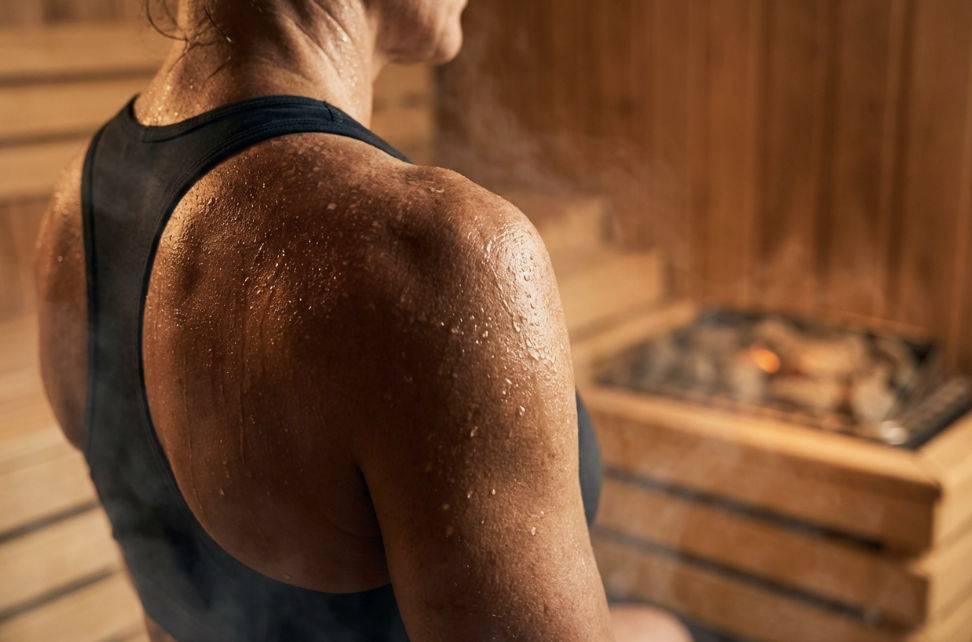
Intense cycling generates a buildup of metabolic byproducts like lactic acid, urea, and oxidative stress markers.
The body works tirelessly to clear these compounds through circulation, liver processing, and the skin. Sweating engages the body’s largest elimination organ at a deeper level than ambient heat alone.
Infrared wavelengths penetrate tissue directly, meaning the sweat produced carries a higher concentration of dissolved metabolic waste.
This supports natural clearance pathways and helps flush residual compounds. Preventing this accumulation during heavy training weeks keeps fatigue from compounding and blunting performance.
Infrared saunas support existing detoxification systems rather than replacing them completely. The liver and kidneys handle core metabolic processing, while infrared heat facilitates efficient clearance through the skin.
Maintaining efficient pathways is akin to keeping a smooth cadence rather than grinding in a massive gear.
Athletes incorporating weekly infrared sessions leading into a peak block report feeling less accumulated residue. They point to better sleep quality and significantly less mental fog. Improved sleep architecture frequently runs parallel to a consistent sauna habit.
Hydrate with electrolytes before and after every infrared session, particularly if fluid was lost during the ride. Sweating is the mechanism, but hydration status determines whether the body recovers efficiently or remains depleted.
Cyclists utilizing contrast therapy often pair an infrared session with a cold plunge to drive circulation through tissue powerfully.
The Bottom Line
These habits are absolutely not shortcuts to better performance. They represent intelligent decisions about where to invest energy in the 22 hours between rides.
Muscle relaxation, circulation support, and metabolic clearance require less than 30 minutes each, allowing the body to perform essential repair work.
The most effective recovery rituals require the least resistance to start. A fatigued cyclist who just completed 80 miles is unlikely to foam roll for 45 minutes. However, they will comfortably sit in a warm sauna with ambient light for half an hour.
Over time, that consistency compounds into less soreness and faster readiness. If intense training is not yielding expected fitness adaptations, the missing variable is usually recovery.
Adding one or two infrared sessions to a weekly routine provides a highly measurable advantage.
For those advancing their protocols, pairing infrared heat with a cold plunge creates an optimal contrast therapy routine. Ultimately, the path to faster cycling recovery begins with the habits built off the bike. Take control of your downtime to ensure every mile counts.
| Author Profile: Sun Home Saunas is America’s fastest-growing consumer services company specializing in premium home wellness equipment, specifically award-winning residential saunas and cold plunge therapy systems. |
 Email
Email