5 Things to Consider Before Installing a Jeep Lift Kit
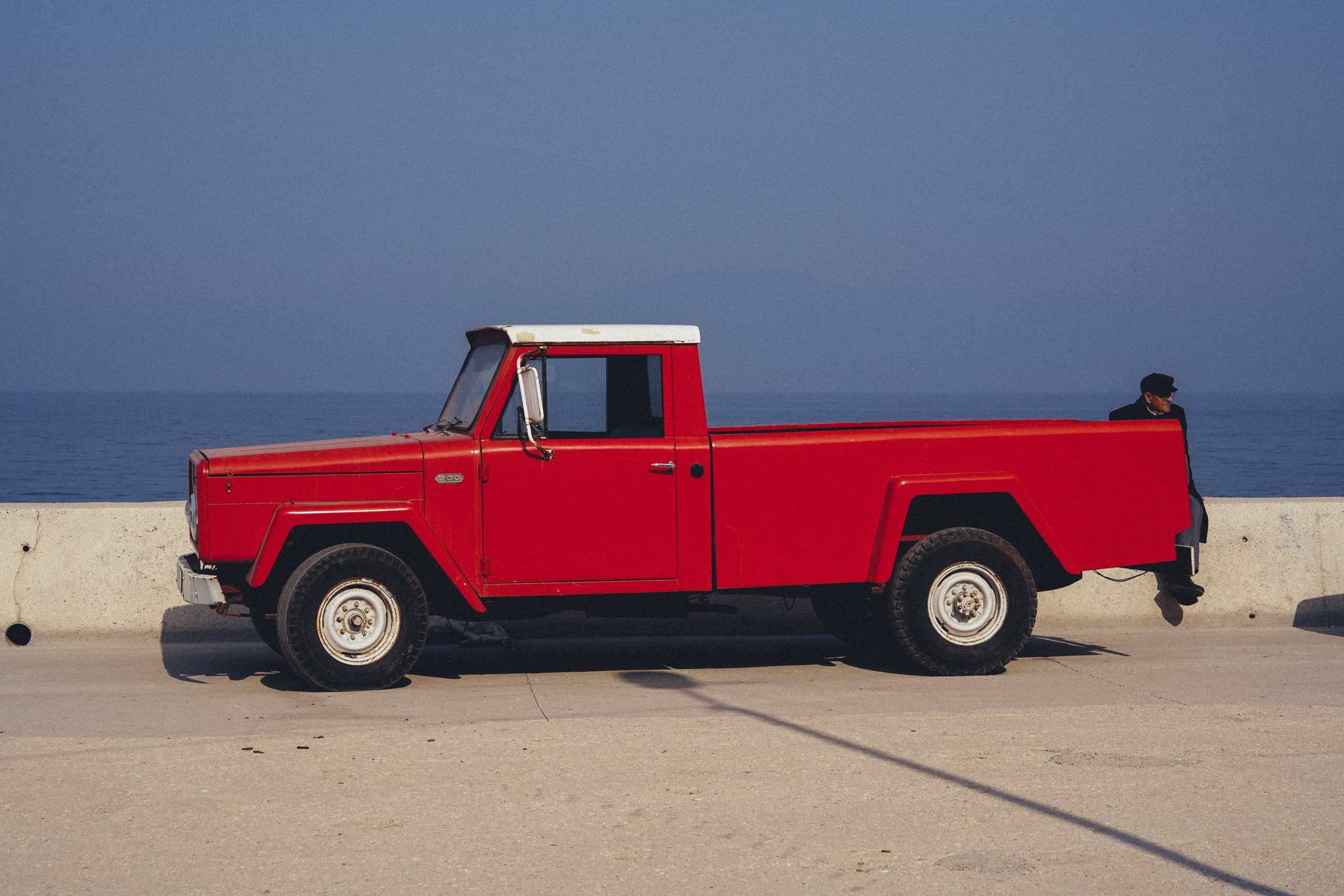
Installing a lift kit is one of the most popular upgrades among Jeep owners. It transforms both the look and capability of your vehicle, giving you increased ground clearance, improved approach and departure angles, and the ability to run larger, more aggressive tires.
But lifting your Jeep isn’t just about appearance. Suspension changes affect handling, steering geometry, braking, drivetrain components, and long-term reliability. Before purchasing components from a trusted source offering jeep lift kits, it’s important to understand what the upgrade truly involves.
A lift kit changes the way your Jeep performs both on and off the road. Whether you’re building a weekend trail machine or upgrading a daily driver, planning ensures you get the performance benefits you want without creating unintended issues.
Here are five key things to consider before installing a Jeep lift kit.
How Much Lift Do You Actually Need?
The first and most important question is simple: how much lift do you really need? It’s easy to get caught up in the appeal of a tall, aggressive stance, but more lift is not always better.
If your Jeep is primarily used for commuting, road trips, and occasional light trail use, a modest lift—typically between 2 and 3 inches—can provide noticeable clearance improvements without drastically altering factory ride quality. This range often allows you to fit larger tires while maintaining stable road handling and minimizing the need for additional drivetrain modifications.
For more demanding off-road use—such as rock crawling or navigating deep ruts—a taller lift may be justified. Increased suspension travel and articulation can help your Jeep maintain traction over uneven terrain. However, once you move into higher lift ranges, additional supporting components become necessary. Extended brake lines, upgraded control arms, track bars, sway bar links, and even driveshaft adjustments may be required to preserve safe geometry.
Another major consideration is center of gravity. Lifting your Jeep raises its overall height and shifts weight distribution upward. While this improves clearance, it can also impact cornering stability and emergency maneuver performance on pavement. Drivers who frequently travel at highway speeds should factor this into their decision.
Steering geometry also changes as lift height increases. Improper angles can lead to bump steer, uneven tire wear, and accelerated wear on suspension components. Choosing a complete, well-engineered kit helps maintain proper alignment and long-term durability.
Ultimately, your lift height should reflect how you actually use your Jeep—not just how you want it to look.
Tire Size and Wheel Fitment
One of the main reasons Jeep owners install lift kits is to run larger tires. Bigger tires provide additional ground clearance, better obstacle clearance, and enhanced traction in off-road environments. But tire upgrades require careful planning.
Many enthusiasts look toward options like 36 inch tires for improved trail performance. Larger tires can dramatically enhance your Jeep’s capability in mud, sand, and rocky terrain. However, increasing tire size adds weight, which impacts braking distance, acceleration, and fuel economy.
Wheel fitment is equally important. Backspacing and offset determine how your wheels sit relative to suspension components and fenders. Improper fitment can cause rubbing during turns or suspension compression. Even with a lift kit installed, you may still need to address bump stops or fender trimming to prevent contact.
Selecting quality off road tires also plays a major role in performance. Aggressive tread patterns improve grip in loose terrain, but they can increase road noise and affect comfort during daily driving. If your Jeep serves double duty as a commuter and weekend explorer, finding a balanced tire design is critical.
Re-gearing is another factor often overlooked. Larger tires effectively alter your Jeep’s gear ratio, which can reduce torque and responsiveness. Depending on your drivetrain and tire size, re-gearing may be necessary to restore optimal power and drivability.
Don’t forget about your spare tire setup. Larger tires are heavier, and factory tailgate mounts may not be designed to handle the added weight. Upgrading to a reinforced tire carrier can prevent long-term structural damage.
Supporting Modifications and Long-Term Costs
A lift kit is rarely a standalone modification. As ride height and tire size increase, other components may require upgrades to maintain reliability and safety.
Driveline angles can change significantly with taller lifts. This may require upgraded driveshafts or slip yoke eliminators depending on your Jeep model. Steering stabilizers, heavy-duty ball joints, and upgraded shocks may also be necessary to maintain control and ride comfort.
Braking performance can be affected by larger, heavier tires. Some Jeep owners opt for upgraded brake pads or larger brake systems to compensate for increased rotational mass.
You should also consider alignment costs and long-term maintenance. Lifted vehicles may require more frequent inspections to ensure suspension bolts remain torqued properly and components are wearing evenly.
Budgeting beyond the initial lift kit purchase ensures you’re financially prepared for the full scope of modifications required for a properly built setup.
On-Road vs Off-Road Balance
Before committing to a lift, evaluate how your Jeep splits time between pavement and trail. A setup optimized for extreme off-road use may compromise daily driving comfort. Stiffer springs, aggressive tires, and high ride heights can introduce more road noise, vibration, and body roll.
If your Jeep is a daily driver, prioritize balanced performance. A moderate lift paired with appropriately sized tires often delivers the best combination of capability and comfort. If it’s a dedicated trail vehicle, you may accept trade-offs in ride smoothness for maximum articulation and clearance.
Clear expectations about how you use your Jeep will guide smarter decisions throughout the build process.
Professional Installation vs DIY
While many experienced enthusiasts install lift kits themselves, professional installation can ensure proper torque specifications, alignment, and geometry adjustments. Incorrect installation can lead to uneven tire wear, driveline vibrations, or compromised safety.
After installation, a professional alignment is essential. This ensures your steering components and suspension angles are optimized for performance and tire longevity.
Even if you choose a DIY approach, investing in quality tools and following detailed installation instructions is critical to long-term reliability.
Conclusion
Installing a Jeep lift kit is one of the most impactful upgrades you can make—but it requires thoughtful planning. Determining the right lift height, selecting proper tire size and wheel fitment, budgeting for supporting modifications, and balancing on-road comfort with off-road performance all play essential roles in building a capable and reliable Jeep.
By taking the time to evaluate your goals and understanding how suspension changes affect your vehicle as a whole, you can create a setup that enhances performance without sacrificing safety or drivability. A well-planned lift not only improves trail confidence—it ensures your Jeep remains dependable wherever the road, or trail, takes you.