The Ultimate Guide to Dirt Jump Bikes: Features, Selection, and Riding Tips
Dirt jump bikes represent the perfect fusion of BMX agility and mountain bike durability. These specialized machines are built for one primary purpose: getting airborne with style and landing with confidence. Whether you’re eyeing your first set of jumps or looking to upgrade your current ride, this comprehensive guide will walk you through everything you need to know about these gravity-defying machines.
What Are Dirt Jump Bikes?
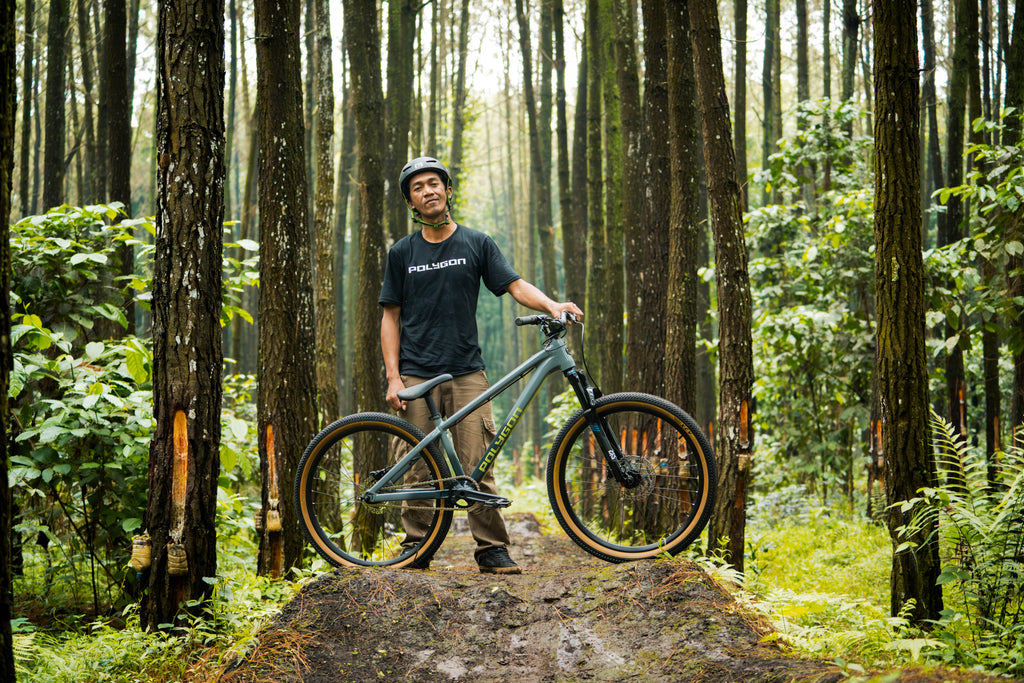
Dirt jump bikes are purpose-built machines designed specifically for aerial maneuvers, technical tricks, and the unique demands of dirt jumps, pump tracks, and bike parks. Unlike traditional mountain bikes, these specialized rides feature compact frames, shorter wheelbases, and components selected to withstand repeated impacts.
These bikes occupy a unique space between BMX bikes and mountain bikes, combining the trick-friendly nature of the former with the larger wheels and increased stability of the latter. The result is a bike that can handle big air, technical lines, and creative riding with equal confidence.
Most dirt jump bikes feature 26-inch wheels, single-speed drivetrains, and front suspension with limited travel (typically around 100mm). This specialized design creates the perfect balance of weight, strength, and maneuverability for riders who spend more time in the air than on the ground.
Key Features of Dirt Jump Bikes
Understanding the unique features of dirt jump bikes helps explain why they excel at their intended purpose. Here’s what sets these bikes apart from other cycling disciplines:
Frame Design
Dirt jump frames feature compact geometry with short chainstays and a low standover height. This design creates a nimble bike that’s easy to maneuver in the air and responsive to rider input. Frames are typically constructed from either:
- Chromoly steel: Offers excellent durability and a slightly more forgiving ride
- Aluminum: Provides a lighter weight option with snappy response
- Carbon fiber: Rare in this category but offers premium weight savings
The geometry is specifically designed to create a balanced center of gravity when taking off from jumps, with reinforced areas to handle repeated impacts.
Suspension Systems
Most dirt jump bikes feature front suspension only, with two primary approaches:
- Short-travel forks (80-100mm): Provide enough cushion for landings without sacrificing responsiveness
- Rigid forks: Some riders prefer the direct feel and simplicity of no suspension
The rear end is almost always rigid, creating a predictable platform for jumping and pumping through transitions. This hardtail design keeps the bike lightweight and eliminates potential pivot points that could fail under heavy use.
Quality forks will include adjustable compression and rebound settings to fine-tune the suspension for different riding styles and jump sizes.
Wheels and Tires
Wheel and tire selection is crucial for dirt jump performance:
- 26-inch wheels: The standard size, offering the perfect balance of strength and agility
- Reinforced rims: Often wider and stronger than standard MTB rims to handle impacts
- High spoke count: Typically 32 or 36 spokes for increased durability
- Tire width: Usually 2.1-2.4 inches, providing adequate cushioning and traction
- Tread patterns: Varies from nearly smooth for park riding to more aggressive for dirt jumps
Many riders run higher tire pressure than typical mountain bikes to prevent pinch flats on landings and to increase responsiveness when pumping through transitions.
Ready to see these features in action?
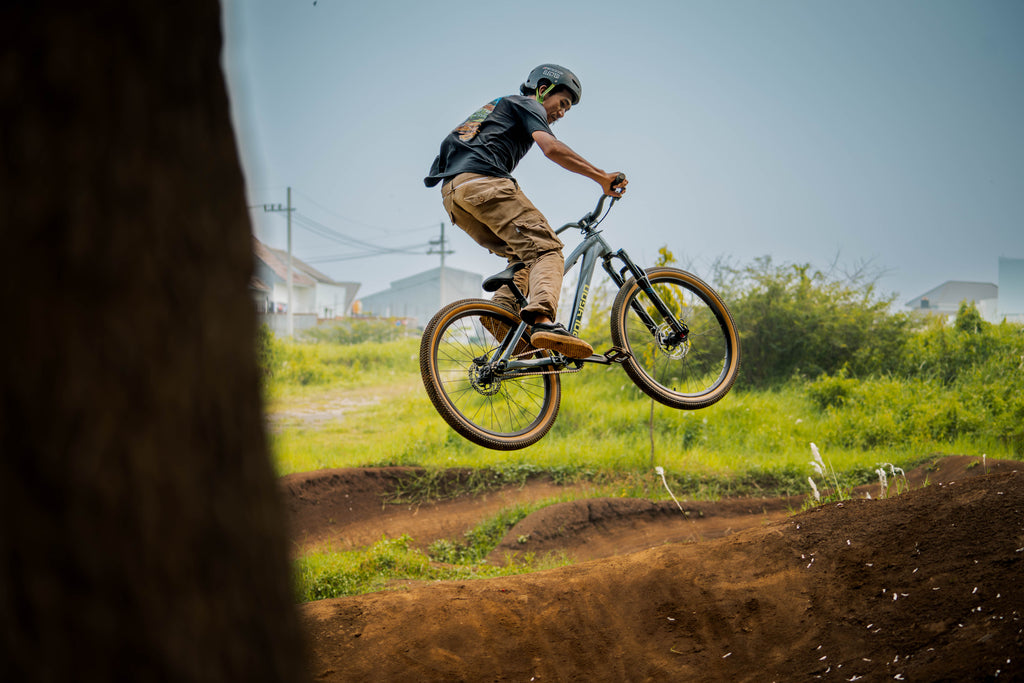
Compare the top dirt jump bikes side by side to find the perfect combination of features for your riding style.
How to Choose the Right Dirt Jump Bike
Selecting the perfect dirt jump bike depends on your skill level, riding style, and budget. Here’s a comprehensive breakdown of what to consider:
Rider Skill LevelBeginner Riders
- Look for more forgiving geometry with slightly longer chainstays
- Consider aluminum frames for lighter weight and easier handling
- 100mm travel forks provide more cushion for imperfect landings
- Entry-level components offer good value while learning
- Budget between $800-$1,200 for a quality starter bike
Advanced Riders
- More responsive geometry with shorter chainstays for agility
- Premium chromoly or high-grade aluminum frames for durability
- Adjustable suspension with precise compression and rebound control
- Higher-end components that can withstand aggressive riding
- Budget between $1,500-$3,000 for a professional-level bike
Budget Considerations
Your budget will significantly impact the quality and features of your dirt jump bike. Here’s what to expect at different price points:
- Entry-Level ($600-$1,000)Basic aluminum frames
- Simple coil suspension forks
- Single-speed drivetrain with basic components
- Mechanical disc brakes
- Durable but heavier wheels
- Mid-Range ($1,000-$1,800)Quality aluminum or steel frames
- Air-sprung forks with adjustable features
- Better quality drivetrain components
- Hydraulic disc brakes
- Lighter, stronger wheelsets
- Premium ($1,800+)High-grade materials with optimized geometry
- Top-tier suspension with full adjustability
- Professional-grade drivetrain components
- High-performance hydraulic brakes
- Lightweight, bombproof wheels
Top Dirt Jump Bike Brands and Models
Several manufacturers have established themselves as leaders in the dirt jump bike category. Here are some of the most respected brands and their standout models:
Specialized
Specialized has a long history of creating high-performance dirt jump bikes with their P.Series line.
Notable Models:
- 3: Mid-range option with chromoly frame and quality components
- 4: Premium model with refined geometry and high-end parts
Best For Riders looking for refined geometry and proven performance
Canyon
Canyon offers exceptional value with their direct-to-consumer model, providing high-quality dirt jumpers at competitive prices.
Notable Models:
- STCHD 360: Versatile aluminum frame with quality components
Best For Value-conscious riders who want premium features
NS Bikes
NS Bikes has built a reputation for creating bombproof dirt jump frames with progressive geometry.
Notable Models:
- Metropolis: Chromoly frame with dialed geometry for technical riding
- Movement: Entry-level option with quality construction
Best For Aggressive riders who prioritize durability and handling
Santa Cruz
Santa Cruz brings their premium mountain bike expertise to the dirt jump world with the legendary Jackal.
Notable Models:
- Jackal: High-end aluminum frame with refined geometry and premium build options
Best For Riders willing to invest in a premium bike with exceptional quality
Commencal
Commencal offers excellent value with their direct sales model and proven designs.
Notable Models:
- Absolut: Versatile aluminum frame available in multiple build options
Best For Riders seeking a versatile platform with good value
Essential Maintenance for Dirt Jump Bikes
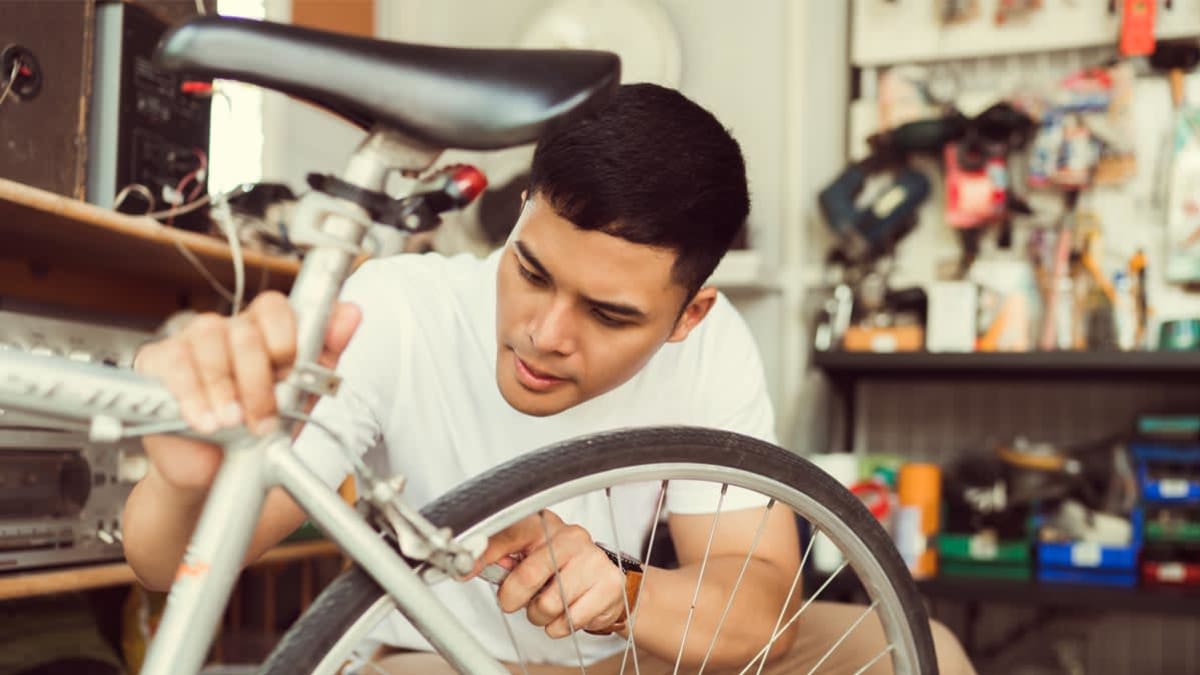
Proper maintenance is crucial for keeping your dirt jump bike performing at its best and ensuring your safety. The high-impact nature of dirt jumping puts extra stress on components, making regular checks and maintenance even more important.
Regular Maintenance Checklist
- Frame Inspection: Regularly check for cracks, dents, or other damage, especially after hard crashes.
- Suspension Service: Clean and lubricate stanchions after every ride; perform a lower leg service every 50 hours of riding.
- Drivetrain Care: Clean and lubricate the chain regularly; check for chain stretch and replace when needed.
- Brake Maintenance: Check pad wear frequently; bleed hydraulic systems annually or when feeling spongy.
- Wheel Truing: Check spoke tension and wheel trueness after hard landings or crashes.
Tools Every Dirt Jumper Should Own
- Quality Allen/Hex Key Set: For adjusting and tightening most components
- Torque Wrench: For proper tightening of critical bolts
- Chain Tool: For chain maintenance and repairs
- Shock Pump: For precise air pressure adjustments in suspension
- Spoke Wrench: For wheel truing and maintenance
- Bike-Specific Cleaning Products: To protect finishes and components
- Quality Grease and Lubricants: For proper component care
Pro Tip: Create a maintenance schedule and stick to it. Dirt jump bikes endure extreme forces, and preventative maintenance can prevent catastrophic failures when you’re in the air.
Essential Riding Techniques and Safety
Mastering the fundamentals of dirt jump riding will help you progress safely while having more fun on your bike. Here are some essential techniques and safety considerations:
Fundamental Techniques
- Pumping: Using body weight to generate momentum without pedaling, essential for maintaining speed through jump lines.
- Bunny Hop: The foundation of jumping, allowing you to lift both wheels off the ground simultaneously.
- Manual: Lifting the front wheel while keeping the rear wheel on the ground, useful for maintaining speed through rollers.
- Jumping Basics: Proper approach, takeoff, body position, and landing technique to stay safe in the air.
- Cornering: Maintaining speed and control through berms and flat corners between jump sections.
“Start small and progress gradually. It’s better to perfect your technique on smaller jumps before moving to bigger features.”
– Professional Dirt Jumper
Essential Safety Gear
Dirt jumping involves risk, and proper safety gear is non-negotiable. Here’s what you should wear every time you ride:
- Helmet: A full-face helmet is recommended for maximum protection
- Knee and Shin Guards: Protect against impacts and scrapes
- Elbow Pads: Essential for preventing painful elbow injuries
- Gloves: Improve grip and protect hands in crashes
- Padded Shorts: Provide protection for hips and tailbone
- Ankle Protection: Consider ankle braces for additional support
Safety Warning: Never ride alone, especially when trying new jumps or tricks. Having a spotter can be crucial in case of a crash or injury.
Progression Tips for New RidersHow should I approach my first jumps?
Start with small tabletops where there’s no gap to clear. Focus on proper technique: approach with consistent speed, stay centered over the bike, and use your legs as natural suspension. Master the basics on small jumps before progressing to larger features.
How do I build confidence in the air?
Repetition is key. Start by doing the same small jump multiple times until it feels natural. Then try small variations like shifting your weight slightly or adding a small handlebar turn. Gradually build up to more technical maneuvers as your confidence grows.
What’s the best way to learn new tricks?
Break tricks down into components and practice each part separately. For example, before trying a full tabletop, practice the hip rotation on the ground, then on small rollers, before taking it to a jump. Consider using foam pits or airbags when available for safer progression.
Finding Your Perfect Dirt Jump Bike
Choosing the right dirt jump bike is a personal journey that depends on your riding style, skill level, and budget. The perfect bike will inspire confidence, handle predictably, and withstand the demands of your progression as a rider.
Remember that while premium components are nice, the most important factors are a frame that fits your riding style and quality construction that can handle repeated impacts. Many riders find that a mid-range bike with strategic upgrades over time provides the best balance of performance and value.
Take the time to test ride different models if possible, and don’t hesitate to ask experienced riders for their input. The dirt jump community is typically friendly and eager to help newcomers find the right equipment.
Ready to Find Your Perfect Dirt Jump Bike?
Compare top models side-by-side and find the ideal dirt jump bike for your riding style, skill level, and budget.
 Email
Email