What Happens if Insurance Limits Are Exceeded in a Multi-Vehicle Accident?
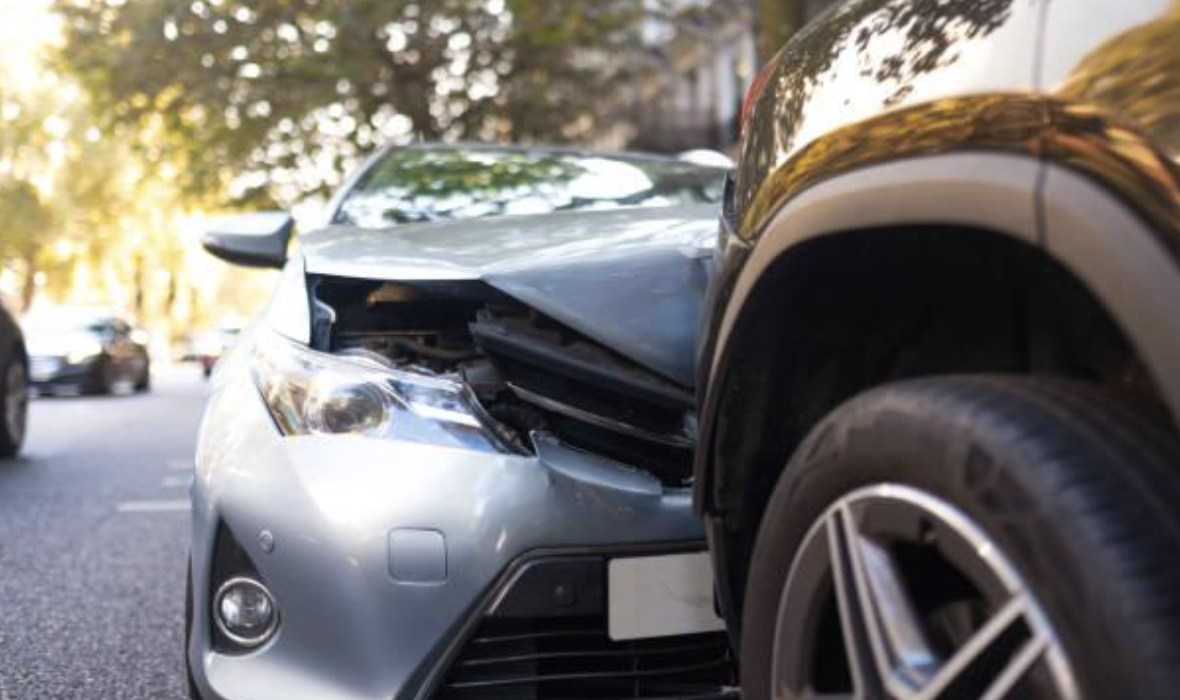
When several people are injured in a multi-vehicle accident, the total damages may exceed the insurance coverage available from the drivers responsible for the crash. When that happens, injured victims may not receive everything they need from a single insurance policy. However, other coverage options may be available, depending on how the accident happened, who was at fault, and what insurance policies apply.
Denver is widely known as the Mile High City because of its elevation, as well as its proximity to the Rocky Mountains. With its busy roads and connections to surrounding communities, vehicle accidents can involve several drivers and passengers. Anyone dealing with a multi-vehicle collision in Denver may face additional challenges when multiple injury claims compete for limited insurance coverage.
One Insurance Policy May Not Cover Every Loss
Auto insurance policies generally have coverage limits that determine the maximum amount an insurer will pay for a covered claim. These limits may apply separately to each injured person and to the total amount payable for one accident.
For example, imagine a driver causes a chain-reaction collision that injures four people. If the driver’s policy has a limited per-accident bodily injury limit, the available money may not be enough to cover everyone’s medical expenses, lost income, and other damages.
When several claims are made against the same policy, the insurer must evaluate the claims within the applicable coverage limits. This can leave injured people facing a shortfall even when their losses are substantial.
Other Responsible Drivers May Have Separate Coverage
A multi-vehicle accident does not always involve just one negligent driver. Several motorists may have contributed to the collision through speeding, unsafe lane changes, distracted driving, or following too closely.
If more than one driver is legally responsible, their separate insurance policies may provide additional sources of compensation. The amount available depends on each driver’s share of responsibility, the applicable policies, and the evidence supporting the claims.
However, identifying another driver does not automatically guarantee additional payment. That driver’s responsibility must be established, and the available insurance coverage must be examined.
Uninsured and Underinsured Motorist Coverage May Help
An injured person may have another option through their own auto insurance policy. Uninsured and underinsured motorist coverage, commonly called UM/UIM coverage, may help when an at-fault driver’s insurance is unavailable or insufficient.
Colorado Revised Statutes § 10-4-609 addresses this coverage. Underinsured motorist coverage can provide benefits for qualifying injuries when the responsible driver’s liability coverage does not adequately cover the damages, subject to the insured person’s policy limits and applicable rules.
This coverage can be particularly important when several people are injured and the responsible driver’s policy is quickly exhausted. Reviewing the injured person’s own policy may reveal coverage that was not initially considered.
Medical Expenses and Other Losses Should Be Documented
When insurance coverage is limited, having clear evidence of the losses becomes especially important. Each injured person should maintain records showing the financial and personal effects of the accident.
Useful documentation may include:
- Medical bills, treatment records, and diagnostic reports.
- Proof of missed work and lost income.
- Records of future treatment recommendations.
- Vehicle repair estimates and property damage records.
- Documentation of pain, physical limitations, and changes in daily activities.
These records help establish the value of a claim and provide a clearer picture of whether available insurance coverage is sufficient.
Settlement Decisions Require Careful Review
An early settlement offer may seem helpful when medical bills are accumulating, but accepting it without understanding the full extent of an injury can create problems. Many settlement agreements require the injured person to release the responsible party from further claims related to the accident.
Before accepting an offer, it is important to understand the available policy limits, other potential sources of coverage, and whether future medical needs have been considered. Once a release is signed, seeking additional compensation from the same party may become difficult or impossible.
Key Takeaways
- Insurance limits may be insufficient when several people suffer injuries in one accident.
- Separate policies may provide additional coverage when multiple drivers share responsibility.
- Colorado law provides for uninsured and underinsured motorist coverage under C.R.S. § 10-4-609.
- Medical records, wage documentation, and evidence of future expenses help establish the value of an injury claim.
- Carefully review settlement agreements because signing a release may limit future recovery.
 Email