Who May Be Responsible for a Motorcycle Crash Caused by Poor Road Conditions?
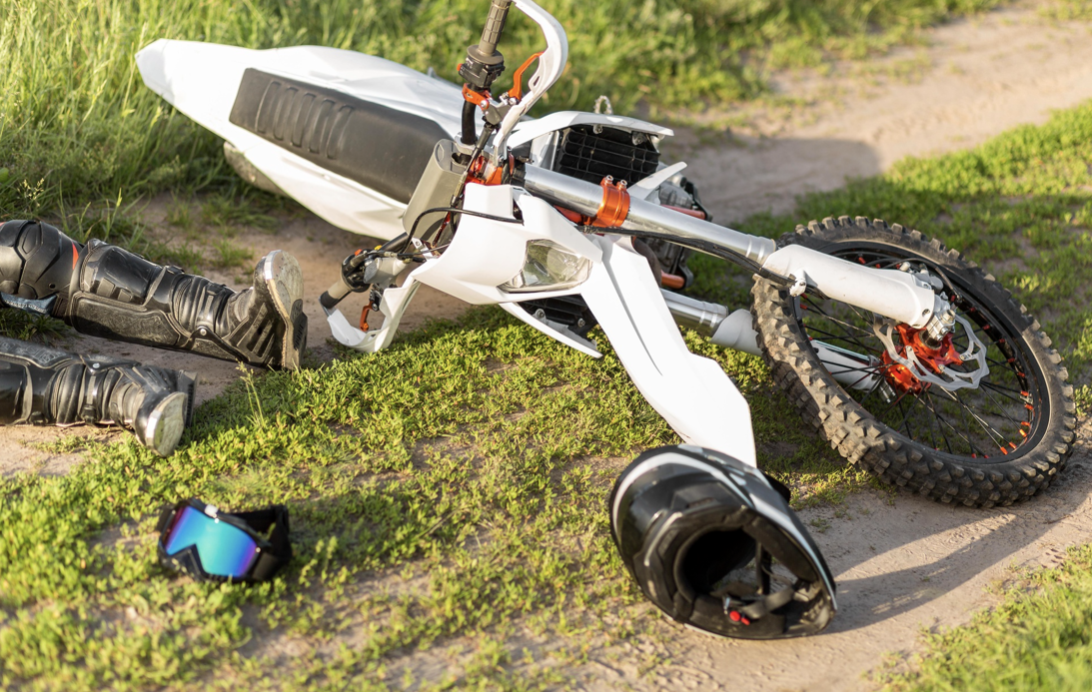
Responsibility for a motorcycle crash caused by poor road conditions depends on who controlled the roadway, what dangerous condition existed, and whether the responsible party knew or should have known about the hazard. Potholes, damaged pavement, missing signs, poor lighting, debris, and other roadway problems can create serious risks for motorcycle riders. In some situations, a government agency, contractor, property owner, or another party may potentially be responsible for injuries caused by an unsafe condition.
San Bernardino is one of the largest cities in Southern California and serves as an important transportation center. The city has major highways, busy streets, and roads connecting residential, commercial, and industrial areas.
When a motorcycle crash occurs because of a dangerous roadway condition, professional motorcycle accident lawyers in San Bernardino can help investigate the circumstances and determine whether another party may be legally responsible.
Common Road Conditions That Can Cause Crashes
Motorcycles can be particularly vulnerable to roadway hazards because they have two wheels and less stability than passenger vehicles. A deep pothole, uneven pavement, loose gravel, or debris can cause a rider to lose control quickly.
Other problems may include faded lane markings, missing warning signs, inadequate lighting, damaged guardrails, or construction areas that are not properly marked. Even a condition that seems minor to a car driver can create a serious danger for a motorcycle rider.
Who May Be Responsible?
Determining responsibility requires identifying who had a legal duty to maintain or warn about the roadway condition. Depending on where the crash occurred, this could involve a city, county, state transportation agency, private contractor, or property owner.
For example, a city may have responsibility for maintaining certain local streets, while a state agency may oversee particular highways. A construction company could potentially be involved if its work created an unsafe condition.
However, government liability is subject to special rules. A public agency is not automatically responsible for every accident involving a road defect. The specific facts and applicable government liability laws must be examined.
California Government Claims Requirements
Claims involving public entities can have additional procedural requirements. Under California Government Code § 835, a public entity may be liable for an injury caused by a dangerous condition of its property when the legal requirements are satisfied.
A dangerous condition generally involves a substantial risk of injury when the property is used with reasonable care. The circumstances surrounding the condition, including whether the public entity had notice of it or should have discovered it, may become important.
California also has specific claim procedures that can apply when seeking damages from a government entity. These requirements can involve shorter deadlines than those applicable to ordinary personal injury claims.
Evidence Can Help Establish Responsibility
Evidence is especially important when a motorcycle crash involves a road defect. Photographs of the pothole, damaged pavement, debris, signs, or other hazard can help show the condition that existed at the time of the accident.
A rider should also document the location as soon as reasonably possible, provided it is safe to do so. Witness statements, police reports, traffic camera footage, maintenance records, and reports of previous complaints may provide additional information.
Weather conditions can also matter. Rain, flooding, ice, or other conditions may affect whether a roadway hazard was reasonably visible or whether additional warnings should have been provided.
The Rider’s Actions May Also Be Considered
Investigators may examine the rider’s speed, attention, visibility, and other circumstances surrounding the accident. This does not necessarily mean the rider caused the crash.
California generally follows comparative negligence principles. If more than one party contributed to an accident or injury, responsibility may be divided according to the facts and applicable law.
The important issue is to examine the complete circumstances rather than assuming that one factor explains the entire accident.
What to Do After a Motorcycle Crash
After a crash, seek medical attention and report the accident when appropriate. Take photographs of the roadway and motorcycle, preserve damaged equipment, and obtain contact information from witnesses if possible.
Keep medical records, repair estimates, insurance documents, and other information connected to the accident. If a government agency or contractor may be involved, getting legal advice promptly can be particularly important because special claim procedures and deadlines may apply.
Key Takeaways
- Poor road conditions can create serious risks for motorcycle riders.
- Responsibility may depend on who controlled and maintained the roadway.
- California law provides specific rules for claims involving dangerous public property.
- Photographs, witness statements, maintenance records, and prior complaints may help establish a case.
- A rider’s actions may also be considered under California’s comparative negligence rules.
- Government claims can involve special procedures and shorter deadlines.
- Prompt investigation can help preserve important evidence.
 Email
Email