How to Set Up Your Mountain Bike Suspension for Maximum Comfort and Control
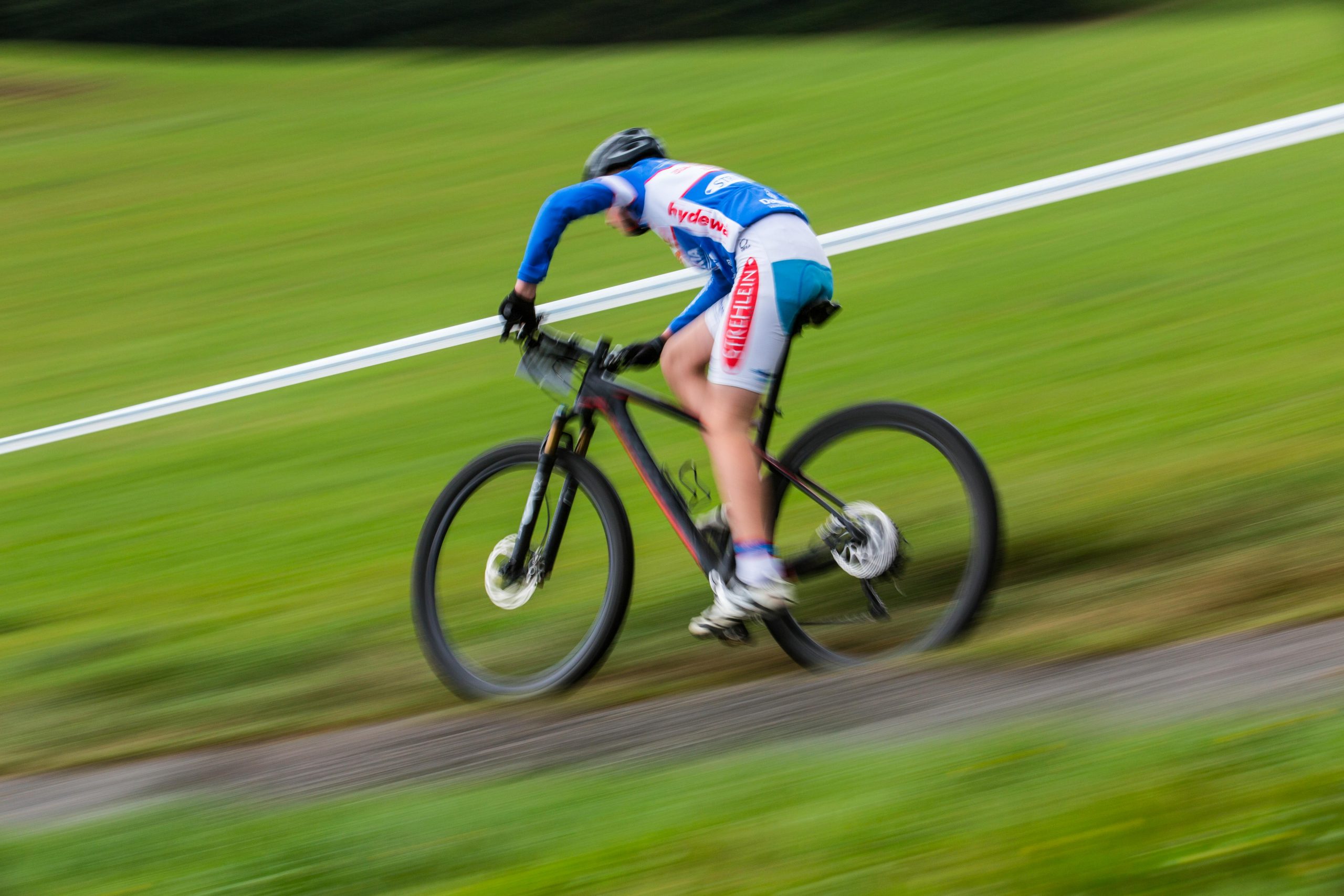
Most riders spend hundreds of dollars upgrading their tires or drivetrain, but never touch their suspension settings. That’s a mistake. A properly tuned suspension transforms how your bike feels on the trail, absorbs impacts more effectively, and gives you real confidence over rough terrain. Whether you ride flowy singletrack or technical rock gardens, the setup process is the same.
This guide walks you through each step, from understanding your suspension components to dialing in the finer adjustments that match your body weight, riding style, and preferred terrain.
Understanding the Key Components of MTB Suspension
Before you touch a dial or release any air pressure, you need a clear picture of what your suspension system actually does. Most modern mountain bikes use either a coil or an air spring in both the fork and rear shock. Air springs are far more adjustable and lighter, which is why the majority of trail and enduro bikes use them. Coil springs, on the other hand, offer a more linear feel that some riders prefer for aggressive descending.
With Colorado Cyclist mountain bikes and similar trail-ready setups, you’ll typically deal with two main adjustment systems: the spring (which controls how far the suspension compresses under load) and the damper (which controls how fast it moves). Get these two elements balanced correctly, and your bike will feel planted and predictable. Ignore them, and you’ll fight the bike on every trail feature.
Key Suspension Terms You Should Know
Before you start making changes, get familiar with a few terms. Sag is the amount your suspension compresses under your body weight alone, measured as a percentage of total travel. Rebound refers to how fast the suspension returns to its extended position after compression. Compression damping controls how quickly the suspension compresses under impact. Understanding these three concepts is the foundation of any good suspension setup.
How to Set Your Suspension Sag Correctly
Sag is the starting point for every suspension tune. Set it wrong, and every other adjustment you make will be built on an unstable foundation. The standard sag target for trail riding is 25% to 30% of the total suspension travel. So, for a fork with 150mm of travel, you’re looking at roughly 37mm to 45mm of sag.
To measure sag, put on your full riding kit, including your helmet and pack, and stand on the bike in your normal riding position. Have a friend slide an O-ring or zip tie down the stanchion to the dust seal. Step off the bike carefully without bouncing, then measure the distance the O-ring traveled. That number is your sag.
If you have too little sag, your suspension will feel harsh and deflect over square-edged hits instead of absorbing them. Too much sag, and the bike sits low in the travel and uses up its cushion too quickly on big impacts. Adjust air pressure in small increments, around 5 PSI at a time, and re-check until you hit your target.
Setting Sag on Your Fork vs. Rear Shock
Forks and rear shocks often need slightly different sag targets. Forks typically run between 15% and 25% sag for more aggressive riders, while rear shocks tend to sit closer to 25% to 30%. Your rear shock also has a leverage ratio to account for, which varies by frame design. Always check your frame manufacturer’s recommended sag range, since a number that works perfectly on one bike may feel completely wrong on another. Set both ends, then take a short test ride before making further changes.
Dialing In Rebound Damping for a Smooth Ride
Once your sag is set, rebound damping is the next adjustment to tackle. Rebound controls how fast your suspension returns to full extension after it compresses. Set it too fast, and your bike will feel bouncy and unpredictable, almost like it’s trying to throw you off the saddle. Set it too slow, and the suspension packs down over repeated hits and loses sensitivity.
A useful starting point is the “drop test.” Stand over your bike, compress the fork hard with your body weight, then let go quickly. If the fork shoots back and lifts the front wheel, add more rebound damping (turn the adjuster clockwise on most forks). If it returns sluggishly and feels dead, reduce the damping. You want the fork to spring back firmly but without any bounce.
For the rear shock, a similar test applies. Compress the rear of the bike by pushing down on the saddle, then release. The shock should return quickly and smoothly to its extended position without any oscillation. As a general rule, heavier riders and those who ride fast or technical terrain benefit from slightly slower rebound, since the suspension compresses more and needs a controlled return to avoid instability.
Tuning Compression Damping to Match Your Trail
Compression damping determines how much resistance the suspension offers as it compresses into a hit. Most modern forks and shocks offer two types of compression adjustment: low-speed and high-speed compression. These terms refer to the speed of suspension movement, not how fast you ride.
Low-speed compression (LSC) affects how the suspension behaves during slow, sustained compressions, like pedaling through a roller or squatting into a berm. More LSC gives the bike a firmer platform and reduces brake dive and pedal bob. High-speed compression (HSC) affects response to sharp, sudden hits like rocks and roots. Too much HSC makes the bike feel stiff and harsh. Too little, and the suspension bottoms out under hard impacts.
Start with both adjusters at the factory-recommended baseline, which is usually written in your suspension manual. From there, add low-speed compression in small increments if the bike feels too wallowy or bobs excessively under pedaling. If you notice harsh, jarring feedback from fast trail features, reduce high-speed compression slightly. Trail condition matters here: looser, rougher terrain generally calls for less compression damping, while smooth, high-speed trails allow for a firmer setup.
Fine-Tuning Suspension for Your Riding Style and Terrain
Getting the basic numbers right is only part of the process. The real refinement happens on the trail, through deliberate testing and small adjustments. Riders who favor fast descents and tech trails often prefer a more active suspension setup with lower compression damping and slightly faster rebound. Cross-country riders who prioritize pedaling efficiency tend to prefer a firmer setup with more low-speed compression.
Terrain plays an equally important role. Rocky, chunky trails demand a more open and supple suspension that can absorb repeated hits without packing down. Smooth, flowy trails allow for a stiffer setup that maximizes power transfer and cornering precision. The best approach is to start with the baseline settings, ride a familiar trail section, and note specifically what feels off. Is the bike deflecting off rocks instead of rolling over them? Reduce rebound speed or lower compression damping. Does the front end dive under braking? Add low-speed compression to the fork.
Make one change at a time and ride the same trail section again before adjusting anything else. That discipline is what separates riders who truly understand their suspension from those who spin dials randomly and hope for the best. Over time, you’ll develop an intuitive feel for what each adjustment does and be able to tune on the fly.
Conclusion
Setting up your mountain bike suspension isn’t complicated, but it does take patience and a methodical approach. Start with sag, move to rebound, then address compression, and finish with trail-specific refinements. Each adjustment builds on the last, so the order matters. Take notes as you go, and don’t rush the process. A well-tuned suspension doesn’t just make rides more comfortable: it makes you a faster, more confident rider on every type of terrain.
 Email
Email