How to Prevent Muscle Soreness After Intense Cycling Sessions
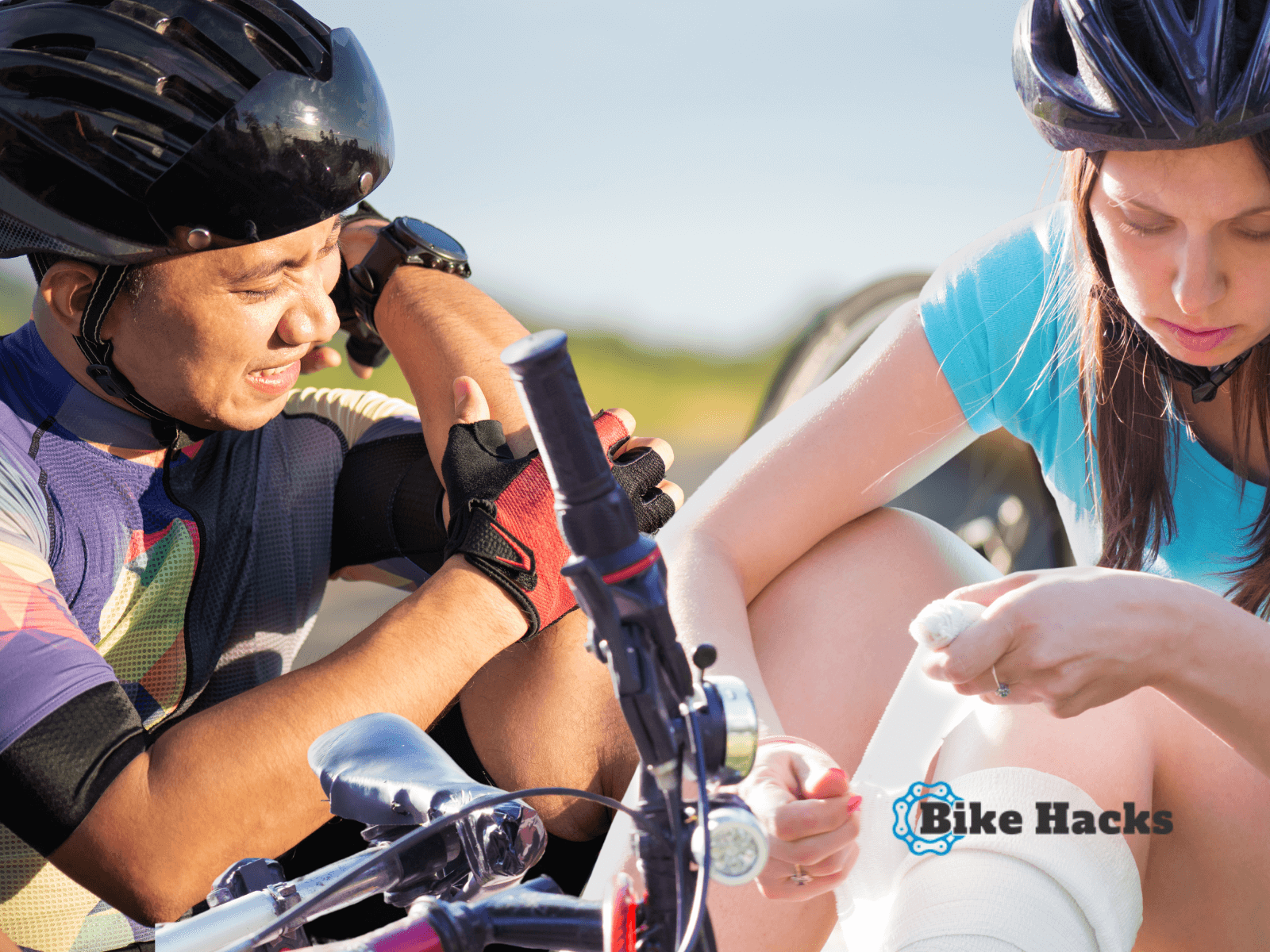
Cycling is a fantastic way to stay fit, enjoy the outdoors, and challenge your endurance. However, intense rides—whether it’s long-distance cycling, hill climbs, or interval training—can leave your muscles sore and stiff.
Muscle soreness isn’t just uncomfortable; it can affect your performance and limit your ability to ride consistently. Preventing soreness before it becomes a problem is crucial for every cyclist, from beginners to seasoned pros. Fortunately, there are several proven strategies that target recovery, reduce muscle pain, and help you get back on the bike faster.
What Causes Muscle Soreness After Cycling?
After intense exercise, your muscles aren’t just tired—they’ve actually experienced tiny micro-tears in their fibers. On top of that, metabolic byproducts like lactic acid start to build up, which can lead to delayed onset muscle soreness (DOMS). This soreness typically peaks 24–72 hours after your workout.
It’s important to distinguish immediate fatigue from DOMS:
- Immediate fatigue: Occurs during or immediately after exercise and often improves with rest or light activity.
- DOMS: Develops later and requires a more structured recovery strategy to help your muscles repair and adapt.
Stretching and Foam Rolling
One of the most accessible recovery methods is stretching. Focus on the key muscle groups used in cycling, such as the quads, hamstrings, calves, glutes, and lower back. Dynamic stretches before a ride can prevent strain, while static stretches after a ride help release tension.
Foam rolling complements stretching by increasing blood flow and breaking up knots in the muscle tissue. Roll each major muscle group for 1–2 minutes, paying attention to sore spots.
Consistent use of stretching and foam rolling not only reduces soreness but also improves flexibility and range of motion, which can enhance cycling performance over time.
Cold Therapy: Ice Baths and Compression
Cold therapy is another cornerstone of post-ride recovery. Immersing your legs in an ice bath or using cold compresses can significantly reduce inflammation and minimize muscle damage. For those who prefer convenience, cold showers or cold packs also provide benefits.
Compression garments, such as socks or sleeves, can further enhance recovery by promoting blood circulation and reducing swelling. Many professional cyclists use a combination of cold therapy and compression immediately after rides to ensure muscles recover quickly and remain ready for subsequent training sessions.
Heat Therapy: Infrared Sauna Blanket
Heat therapy focuses on relaxation, circulation, and deeper muscle recovery. Key advantages include:
- Infrared penetration: heat reaches deeper muscle layers than traditional methods.
- Blood flow promotion: enhances nutrient and oxygen delivery to tired muscles.
- Metabolic waste removal: helps flush out lactic acid and other byproducts.
- Muscle relaxation: reduces stiffness and tension for faster recovery.
- Convenience and comfort: a 20–30 minute session in an infrared sauna blanket is simple to integrate post-ride.
Many cyclists find that pairing heat therapy with stretching or foam rolling provides a comprehensive recovery approach.
Nutrition and Hydration
Recovery isn’t complete without proper nutrition. After intense cycling, your muscles need protein to repair micro-tears and carbohydrates to replenish glycogen stores. Including antioxidant-rich foods, such as berries, leafy greens, and nuts, can help reduce inflammation and oxidative stress.
Hydration is equally important. Water supports muscle function, regulates body temperature, and helps flush out waste products. Electrolyte drinks can be beneficial after long rides to replace lost minerals like sodium, potassium, and magnesium, which are critical for muscle contraction and nerve function.
Active Recovery and Light Exercise
Active recovery enhances blood flow and accelerates the removal of metabolic byproducts. Key points include:
- Low-intensity exercise: gentle cycling, walking, or swimming the day after a hard ride.
- Frequency: 20–40 minutes of light activity can improve circulation without adding stress.
- Muscle readiness: prevents stiffness and keeps joints mobile.
- Synergy with heat therapy: combining active recovery with an infrared sauna blanket session can further reduce muscle tightness and support overall recovery.
Rest and Sleep
Quality sleep is perhaps the most overlooked aspect of recovery. During deep sleep stages, the body produces growth hormone, which stimulates muscle repair and tissue regeneration. Aim for 7–9 hours of sleep per night and create an environment conducive to restful sleep—cool, dark, and quiet.
Heat therapy can also support sleep by relaxing the nervous system. A brief session in an infrared sauna blanket before bedtime can ease tension, reduce stress, and prepare your body for restorative sleep, enhancing overall recovery.
Building a Consistent Recovery Routine
Preventing muscle soreness isn’t about using one method alone—it’s about creating a balanced recovery routine. Combining stretching, foam rolling, cold therapy, heat therapy, proper nutrition, active recovery, and sufficient sleep ensures your muscles are consistently supported.
By integrating tools like an infrared sauna blanket into your routine, you create a reliable, repeatable process that minimises soreness and maximises performance.
Conclusion
Preventing muscle soreness after intense cycling sessions requires a multi-faceted approach. Stretching, foam rolling, cold therapy, nutrition, sleep, and active recovery all play vital roles.
Adding an infrared sauna blanket into your post-ride routine enhances circulation, relaxes tight muscles, and accelerates recovery. By following these strategies consistently, you can ride longer, recover faster, and enjoy each ride with less discomfort.
 Email
Email